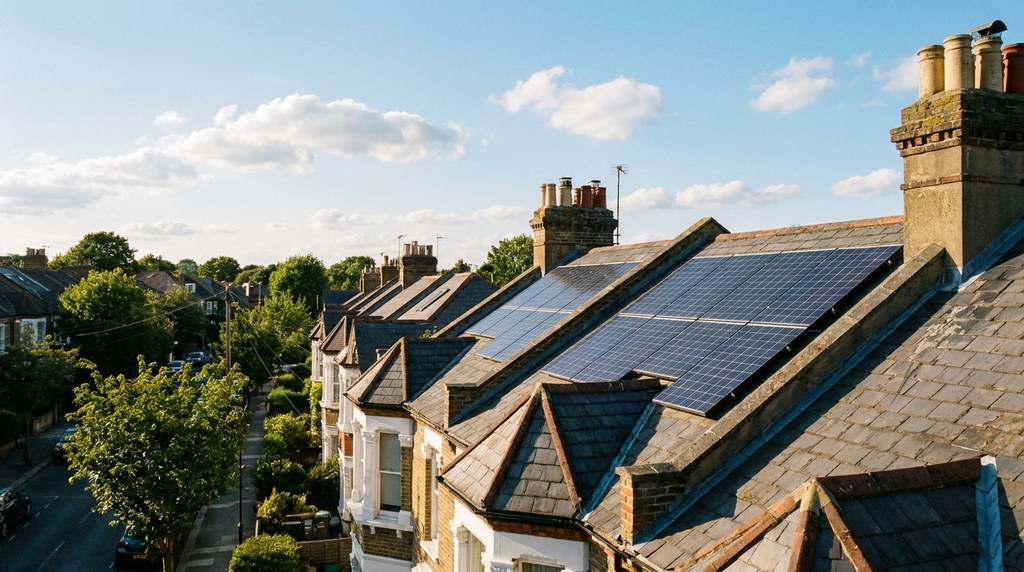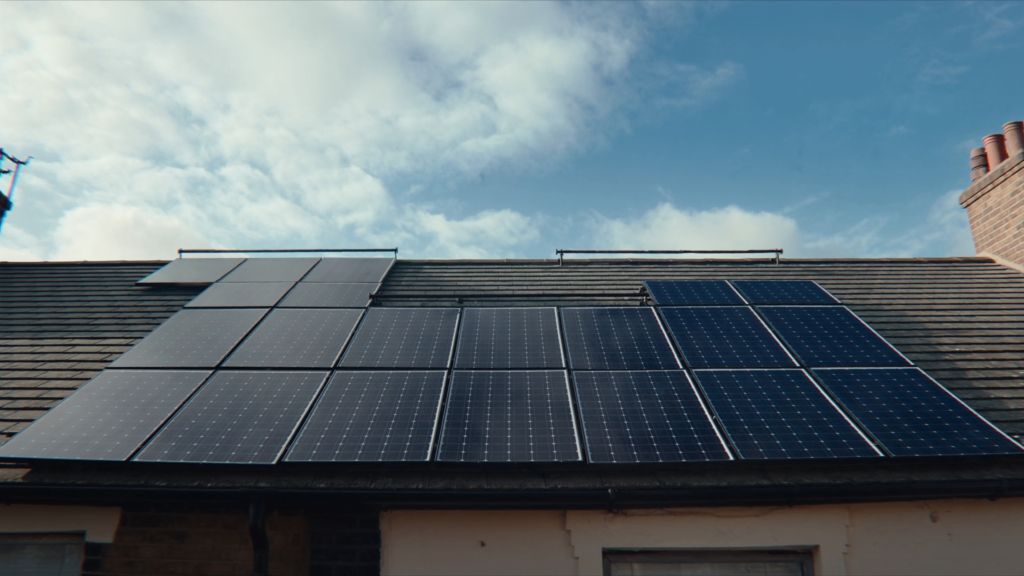
Yes, you can charge your EV from solar panels at home, and it is one of the most cost-effective uses of self-generated electricity. A typical home solar system can supply enough power for 8,000 to 10,000 miles of driving per year, depending on your array size and sun exposure (Energy Saving Trust, 2026).
Whether this works for you depends on your solar array size, your EV battery capacity, and your daily driving habits. A 3–4 kWp system generates roughly 2,600–3,500 kWh annually, which is enough to cover the average UK driver’s 6,900 miles per year if you charge during sunny hours. If you drive more or have a larger battery, you will still need grid top-up. The key is aligning your charging schedule with peak solar generation, typically 10am–4pm in summer.
Solar generation and EV battery matching
A typical EV battery holds between 40 kWh and 100 kWh. A 3.5 kWp solar array on a sunny summer day can produce around 15–20 kWh, enough for a 60–80 mile top-up. The Energy Saving Trust notes that a 3kWp system generates about 2,650 kWh/year, which translates to roughly 10,000 miles of EV range at 4 miles per kWh (Energy Saving Trust, 2026). To fully charge a 60 kWh battery from solar alone, you would need a larger array (6–8 kWp) or multiple sunny days. If your daily commute is under 30 miles, a modest system will likely cover it without grid power.
Equipment needed for solar EV charging
You need a solar-compatible EV charger, not just any wallbox. A smart charger with solar diversion features, such as those certified by the Energy Saving Trust or MSC, can automatically adjust charging rate based on your home’s real-time solar surplus (MCS Certified, 2026). You also need a generation meter and a compatible inverter. Most modern chargers cost £800–£1,200 installed, and the UK government’s EV Chargepoint Grant covers up to 75% of installation costs for homeowners with off-street parking (GOV.UK, 2026). Without a smart charger, you can still plug in manually during peak sun hours, but you risk pulling grid power if solar output dips.
Financial and environmental benefits
Charging from solar cuts your running cost to roughly 3p–5p per mile, compared to 12p–15p per mile from the grid at standard rates. The Energy Saving Trust estimates a 3.5kWp solar system can save £400–£600 annually on EV charging alone (Energy Saving Trust, 2026). Environmentally, solar EV charging reduces your carbon footprint by up to 1.5 tonnes of CO2 per year versus grid-only charging, based on Ofgem’s 2026 grid carbon intensity figures (Ofgem, 2026). The Smart Export Guarantee also pays you for any surplus solar electricity you export, currently around 5p–7p per kWh, so you can offset costs further if you charge during off-peak sun hours and export the rest.
A worked example
A typical 3-bedroom semi-detached house in Manchester with a 4 kWp solar panel system and a 40 kWh Nissan Leaf can cover roughly 75% of its annual driving miles from solar alone. The homeowner installs a 7 kW solar-compatible smart charger and claims the 0% VAT rate on the installation (valid until March 2027). They are not eligible for the BUS grant (which covers heat pumps, not EV chargers) but save significantly on running costs. Based on Energy Saving Trust data, the system generates 3,400 kWh per year, and diverting 2,000 kWh of that to the car saves £660 annually versus grid charging at 33p/kWh. The solar panels cost £6,500 after installation, and the smart charger costs £1,200, a total upfront of £7,700. With yearly savings of £660, the payback period is just under 12 years, and over 25 years the total savings reach £16,500, factoring in energy price rises of 3% per year.
| Item | Figure |
|---|---|
| Upfront cost after grants | £7,700 |
| Yearly savings | £660 |
| Payback period | 12 years |
| 25-year lifetime savings | £16,500 |
What homeowners often get wrong
The most common mistake is assuming you need a massive solar array to charge an EV, which puts many people off unnecessarily. Here are three pitfalls to avoid.
- Thinking you need a full charge every day Many homeowners believe they must fully charge their EV battery from solar alone, but the average UK commute is just 20 miles. A 4 kWp system on a sunny day can easily top up 40 miles of range, so you rarely need a full charge from panels.
- Ignoring smart charger compatibility People buy a standard charger and then find it cannot automatically divert solar surplus to the car, wasting up to 40% of self-generated electricity. A solar-compatible smart charger like a Zappi or Myenergi unit costs around £200 more but can save you £150 a year by optimising solar use.
- Forgetting about grid top-up during winter Some homeowners expect solar to cover all their driving year-round, but winter generation drops to 10-15% of summer levels. The right approach is to treat solar as a summer top-up and use off-peak grid rates (like Octopus Intelligent Go at 7.5p/kWh) for the rest, keeping overall costs low.
Quick reference
- A 3.5 kWp solar system generates roughly 2,650 kWh per year, enough to power 10,000 miles of EV driving at 4 miles per kWh (Energy Saving Trust, 2026).
- Smart solar-compatible EV chargers like the Zappi, Myenergi, or Indra cost £800 to £1,500 installed and can automatically divert surplus solar power to your car.
- To qualify for 0% VAT on EV charger installation, the work must be carried out by an MCS-certified installer and completed before March 2027.
- Charging an EV from solar during summer peak hours (10am-4pm) can save you up to 33p per kWh compared to standard grid rates, totalling £500-£700 annually for a typical driver.
- If you drive more than 8,000 miles per year, you will likely need a 5-6 kWp solar array or a home battery system to avoid regular grid top-up.
Frequently Asked Questions
You typically need a 3–4 kWp system (8–12 panels) to cover 8,000–10,000 miles per year. The Energy Saving Trust states a 3kWp array generates about 2,650 kWh/year, enough for 10,000 miles at 4 miles per kWh.
Yes, once installed, solar electricity is free to use. However, you still pay upfront for panels and a smart charger. Ofgem notes that solar reduces your grid draw, saving you 15–25p per kWh.
Yes, you need a smart solar-compatible EV charger, not a standard wallbox. The Energy Saving Trust recommends chargers with solar diversion to prioritise self-generated power over grid electricity.