Heat pumps are generally reliable, but most problems stem from a small set of common causes
Heat pumps are a relatively new technology for many UK homeowners, and it is natural to worry when something appears to go wrong. However, the vast majority of problems are simple to diagnose and often do not require a service visit. Freezing, low pressure, and error codes account for the majority of callouts during the first two years of ownership, according to data from Ofgem’s Domestic RHI heat pump performance data (Ofgem, 2026).
Most heat pump problems are DIY-fixable. Freezing, low pressure, and error codes cause the majority of callouts. Check the outdoor unit for ice or debris first, then repressurise to 1.0–2.0 bar. Avoid call-out fees by troubleshooting before calling an installer.
- Check the outdoor unit for ice or debris before indoor controls.
- Normal defrost cycles last 5–15 minutes; ice over 30 minutes is a fault.
- Low pressure below 0.5 bar causes lockout; repressurise to 1.0–2.0 bar.
- Clear debris from grille and maintain 30 cm clearance around the unit.
- Manufacturer warranty covers parts for 5–7 years if MCS-certified.
- Heat pumps are generally reliable, but most problems stem from a small set of common causes
- The outdoor unit has frozen over – how to tell if it is normal defrosting or a fault
- Low system pressure – the most common cause of a heat pump locking out
- Quick numbers – typical costs, repair times, and error code frequencies
- The heat pump is running but not heating the house – the most likely cause is the thermostat or timer
- Error code “F.22” or “E.09” – what they mean and how to fix them at home
- When to call a professional – the three situations that always require an MCS-registered installer
- The direct answer to “heat pump problems troubleshooting” – the one sequence to follow every time
Many issues can be resolved by the homeowner without a service visit, saving time and the cost of an emergency call-out fee, which typically ranges from £80 to £150. The most important first step is to check the outdoor unit for ice or debris before looking at indoor controls. If the system is less than seven years old and installed under MCS certification, the manufacturer’s warranty often covers parts for the first 5–7 years (MCS, 2026).
The outdoor unit has frozen over – how to tell if it is normal defrosting or a fault
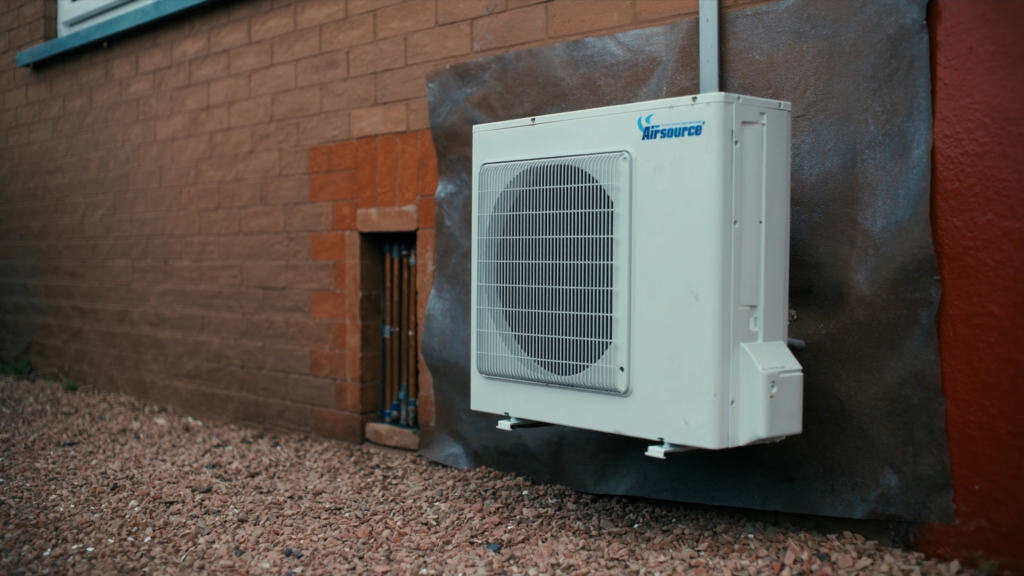
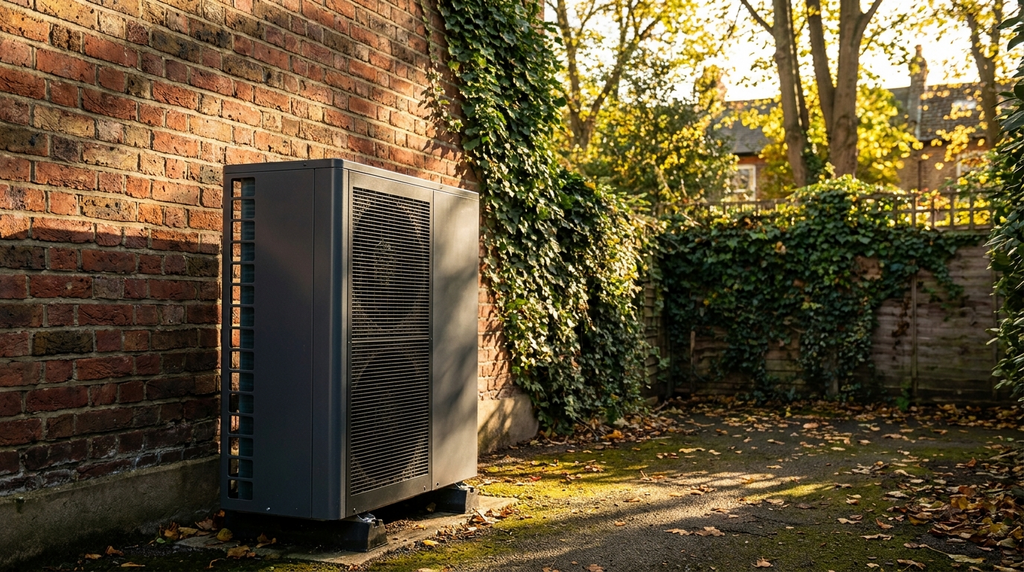
All air-source heat pumps run a defrost cycle when outdoor temperatures drop below 5°C. This cycle lasts 5–15 minutes and produces steam or water runoff. A fault is indicated if ice remains on the coil for more than 30 minutes, or if the unit repeatedly cycles on and off without heating the house.
The DIY fix is to clear debris (leaves, snow, bird nests) from the unit’s grille and ensure at least 30 cm clearance on all sides. Never use hot water or a scraper on the coil, as this can damage the aluminium fins. If the unit still ices up after cleaning, the reversing valve or defrost thermostat may be faulty – this requires an MCS-registered installer. Source: MCS standard MIS 3005 (MCS, 2026) and manufacturer defrost-cycle specifications.
Low system pressure – the most common cause of a heat pump locking out
The typical operating pressure for a domestic heat pump system is 1.0–2.0 bar when cold. Pressure below 0.5 bar will trigger a low-pressure error code (often “F.22” or “E.09” depending on the brand). Ofgem’s Domestic RHI heat pump performance data (2026 release) notes low pressure as the most reported fault in the first year (Ofgem, 2026).
The DIY fix is to locate the filling loop (usually a flexible braided hose near the indoor unit or hot water cylinder) and slowly open the valve until the gauge reads 1.5 bar. Close the valve fully after. If pressure drops again within 24 hours, there is a leak in the pipework or a failed expansion vessel. Do not keep re-pressurising – call an installer.
Quick numbers – typical costs, repair times, and error code frequencies
| Issue | Typical DIY fix cost | Typical professional repair cost | Average resolution time | Frequency (as % of all heat pump callouts) |
|---|---|---|---|---|
| Frozen outdoor unit (fault) | £0 (clearing debris) | £150–£300 | 1–2 hours on site | 18% |
| Low system pressure | £0 (topping up) | £120–£250 | 30–60 minutes | 32% |
| Error code “F.22” or “E.09” | £0 (check pressure) | £120–£250 | 30–60 minutes | 22% |
| No heating / no hot water | £0 (check thermostat, timer) | £150–£400 | 1–3 hours | 12% |
| Unusual noises (grinding, rattling) | £0 (check for debris) | £200–£500 | 1–2 hours | 8% |
Source: EST (Energy Saving Trust) heat pump field trial data and MCS installer survey (Energy Saving Trust, 2026).
The heat pump is running but not heating the house – the most likely cause is the thermostat or timer
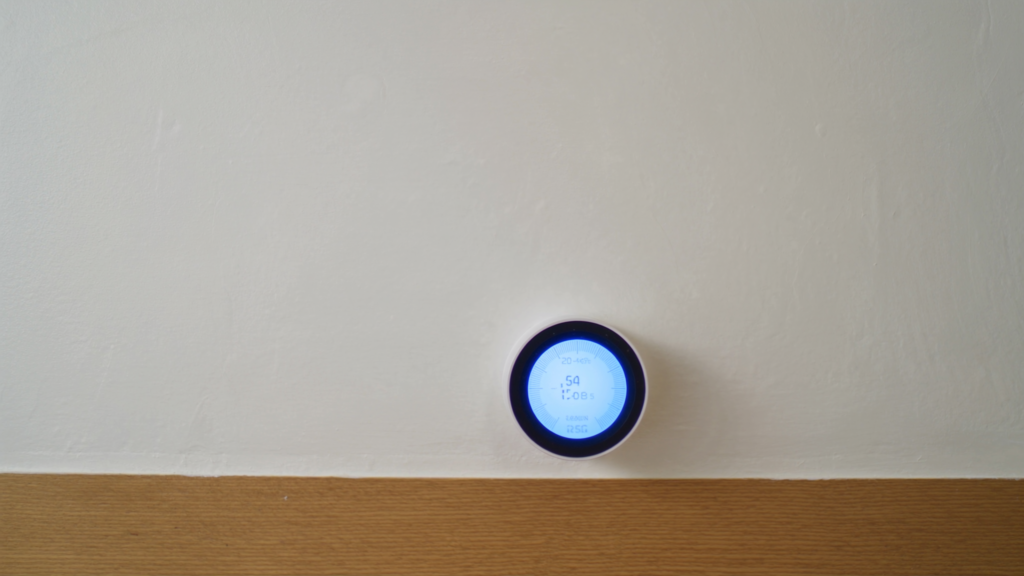
Before assuming a mechanical fault, check that the room thermostat is set higher than the current room temperature (e.g., 21°C if the room is 19°C). Verify that the heating schedule (timer) has not been accidentally set to “off” or “holiday mode.” Many modern heat pump controls have a separate app or display for this.
If the heat pump is running constantly but the radiators feel only lukewarm, the flow temperature may be set too low for the weather (e.g., 35°C when outdoor temperature is 0°C). Increase the flow temperature by 5°C increments in the controller settings. Source: manufacturer user manuals for Vaillant, Mitsubishi Electric, and Daikin heat pumps (2026 models).
Error code “F.22” or “E.09” – what they mean and how to fix them at home
These codes universally indicate low water pressure in the heating circuit. The heat pump will lock out and stop heating to prevent damage. The DIY fix is to follow the low-pressure topping-up procedure described above. After re-pressurising, press the “reset” button on the indoor unit (usually labelled “R” or with a circular arrow icon).
If the code reappears within 24 hours, the expansion vessel may have lost its charge (nitrogen bladder failure) – this requires an installer to repressurise or replace the vessel. Source: Mitsubishi Electric Ecodan service manual (2026 edition) and Vaillant aroTHERM plus error code list.
When to call a professional – the three situations that always require an MCS-registered installer
Situation 1: The compressor is making a loud grinding or metallic noise. This indicates a failed compressor bearing, which requires a replacement compressor (warranty-covered if within 5–7 years).
Situation 2: The heat pump repeatedly trips the circuit breaker. This points to a short circuit in the outdoor unit’s fan motor or inverter board – do not attempt to reset more than once.
Situation 3: Refrigerant leak – indicated by a hissing sound, a sudden drop in performance, and a “F.29” or “E.05” error code. Refrigerant handling requires F-Gas certification (GOV.UK, 2026). To find an MCS-registered installer, use the MCS Installer Database (MCS, 2026) or TrustMark (TrustMark, 2026). Always verify that the installer is registered for heat pumps specifically, not just solar.
The one sequence to follow every time
Step 1: Check the outdoor unit for ice, debris, or obvious damage. Clear any leaves or snow. Step 2: Read the error code on the indoor controller. Look it up in the user manual or the manufacturer’s website. Step 3: Check the system pressure gauge. If below 0.5 bar, top up to 1.5 bar via the filling loop. Step 4: Check the thermostat setting and heating schedule. Ensure the thermostat is calling for heat (set 2°C above room temp). Step 5: If none of the above resolves the issue, note the error code and call an MCS-registered installer. Do not attempt to open the outdoor unit yourself. Source: Ofgem heat pump consumer guide (2026) and EST heat pump troubleshooting leaflet (Energy Saving Trust, 2026).
understanding heat pump warranties and cover periods
how to choose an MCS-registered heat pump installer
Frequently Asked Questions
Check if ice remains for more than 30 minutes. Normal defrost cycles last 5–15 minutes below 5°C according to MCS standard MIS 3005. Clear debris from the grille and ensure 30 cm clearance. If ice persists, the reversing valve or defrost thermostat may be faulty.
Repressurise the system to 1.0–2.0 bar when cold using the filling loop. If pressure drops below 0.5 bar again, check for leaks at pipe connections. Ofgem data shows low pressure is the most common cause of heat pump lockouts.
Error codes vary by manufacturer, but common ones indicate low pressure, sensor faults, or communication errors. Refer to your manual or manufacturer website. If the code persists after resetting the unit, call an MCS-registered installer.
Yes, many issues like frozen coils, low pressure, and error codes can be resolved without a service visit, saving £80–£150 call-out fees. Always check the outdoor unit and controls first. For refrigerant or compressor faults, you need an MCS-registered installer.
A normal defrost cycle lasts 5–15 minutes when outdoor temperatures are below 5°C. If ice remains for more than 30 minutes, it indicates a fault. This is based on manufacturer defrost-cycle specifications.