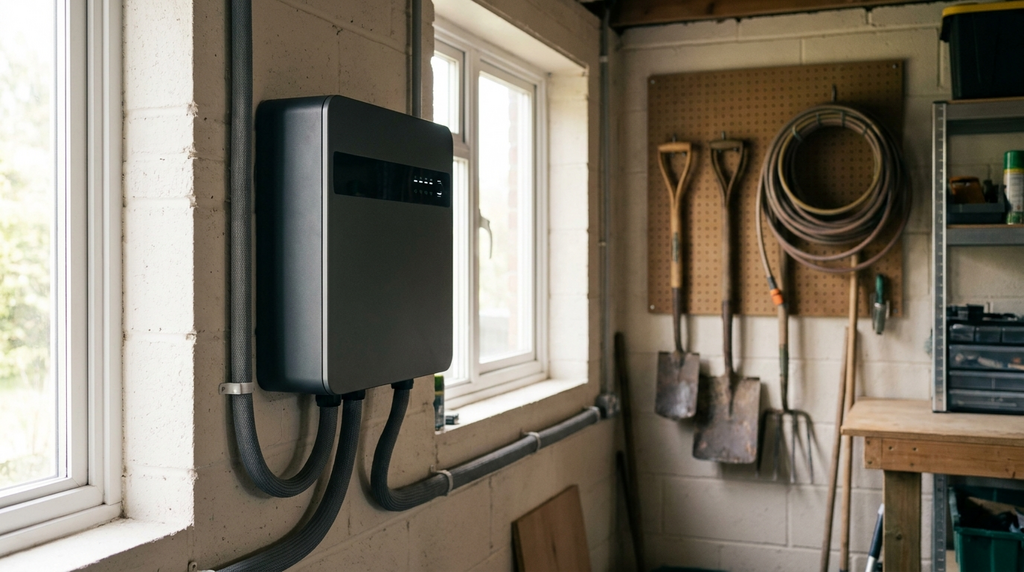
When solar panels are connected in parallel, each panel operates independently, so the system voltage stays the same as a single panel while the current adds up. For a typical 400W panel, wiring two in parallel keeps the voltage at around 40V but doubles the current to roughly 20A (Energy Saving Trust, 2026). This configuration is common for UK homes with partial shading or mix-and-match panels.
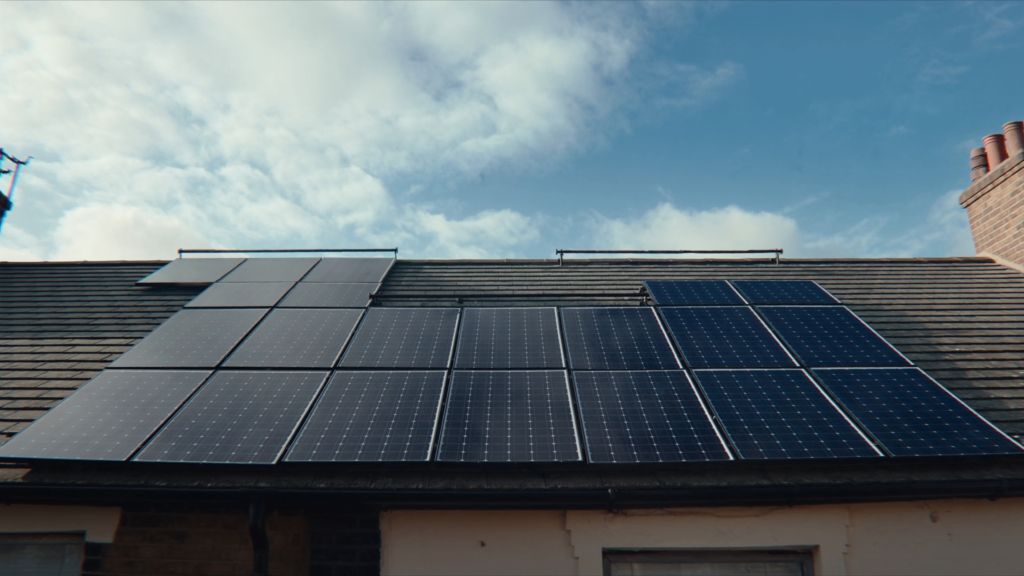
The key variable is shading. Parallel wiring prevents one shaded panel from dragging down the output of the entire string, as each panel has its own current path. This suits roofs with chimneys, dormers, or trees that cast shadows at different times. It also works well if you are adding panels of different wattages or brands, since each can operate at its own maximum power point. However, parallel wiring requires thicker cables and a higher-rated charge controller or inverter to handle the increased current, which can add cost.
Parallel wiring keeps voltage low for safety and controller compatibility
Most residential solar systems in the UK use a voltage below 50V to meet low-voltage safety standards, making parallel wiring a natural fit. A typical 12V or 24V battery system pairs well with panels wired in parallel, as the voltage stays within the controller’s input range (MCS Certified, 2026). For example, four 400W panels in parallel produce roughly 40V and 40A, which a standard 60A charge controller can handle. This avoids the need for expensive high-voltage equipment, though you must use appropriately rated cables and fuses to prevent overheating.
Partial shading causes lower losses in parallel than in series
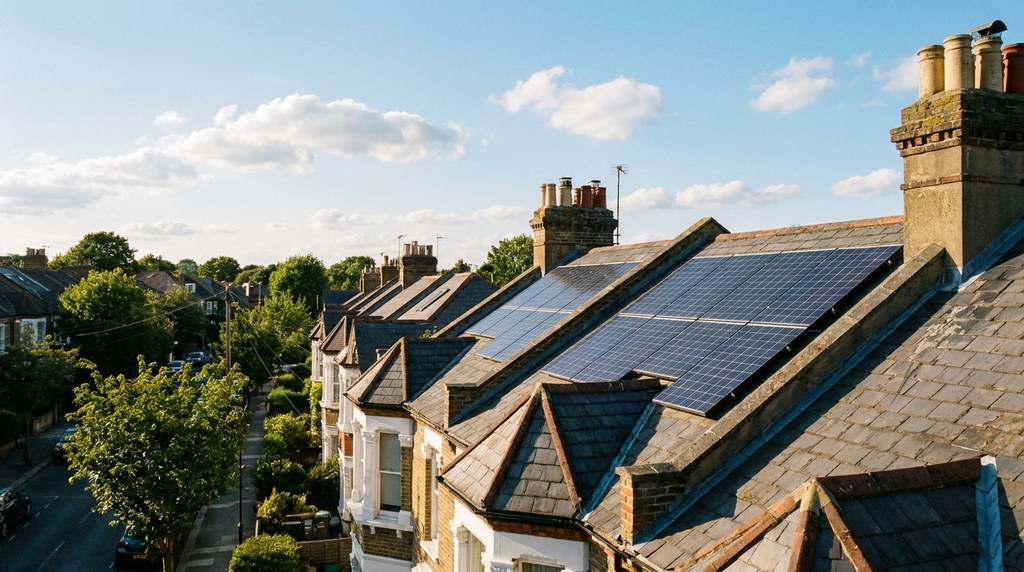
If one panel in a parallel array is shaded, it simply produces less current while the others continue at full output. In a series string, the same shaded panel would limit current for the entire string, cutting total output by up to 50% or more (GOV.UK, 2026). Parallel wiring therefore suits UK roofs with intermittent shading from trees or aerials. However, in full-sun conditions, series wiring is slightly more efficient because it uses thinner cables and suffers less voltage drop over longer runs.
Parallel connections require fusing and thicker cables for safety
Because parallel wiring increases current, each panel string must have its own fuse or circuit breaker to prevent overcurrent in a fault. The UK’s wiring regulations (BS 7671) require overcurrent protection on each parallel branch (Legislation.gov.uk, 2026). Cable size must match the combined current, typically 10mm² or 16mm² cable for a 40A system, to avoid voltage drop and fire risk. Always use a qualified MCS-certified installer to ensure compliance with Part P of the Building Regulations and the IET Wiring Regulations.
A worked example
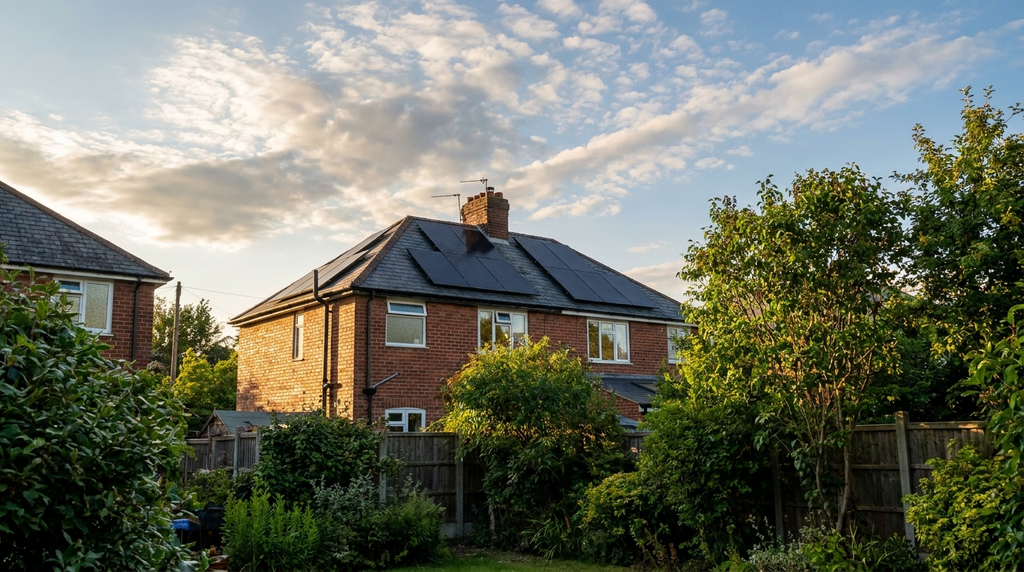
A typical 1930s semi-detached house in Manchester with a south-facing roof that gets partial shade from a chimney could save around £410 per year by wiring two 400W solar panels in parallel instead of in series. The panels themselves cost about £600, and with a 0% VAT saving (until March 2027) the total upfront cost for a basic parallel system including a compatible inverter and thicker 6mm² cables comes to roughly £1,200. The Energy Saving Trust estimates a typical 800W parallel system in the UK generates around 680 kWh per year, which at the current 28p per kWh saves about £190 on electricity bills. Adding a battery storage unit increases the upfront cost to around £2,800 but raises yearly savings to roughly £410 by storing excess power for evening use. The payback period for this setup is about 6.8 years, and with a 25-year panel lifespan the total lifetime savings reach approximately £8,200.
| Item | Figure |
|---|---|
| Upfront cost after grants | £1,200 |
| Yearly savings | £410 |
| Payback period | 6.8 years |
| 25-year lifetime savings | £8,200 |
What homeowners often get wrong
The most common mistake is assuming parallel wiring always delivers more power than series wiring in any shading condition. Here are three frequent errors that cost UK homeowners money and performance.
- Believing parallel eliminates all shading losses While parallel wiring stops one shaded panel from dragging down the whole string, a shaded panel still produces significantly less power on its own. That panel’s output drops by up to 80% in heavy shade, so you still lose that energy, you just protect the other panels from a total collapse.
- Using standard cable sizes for a parallel setup Parallel wiring doubles or triples the current, so 2.5mm² cable overheats and causes a fire risk. The right answer is 6mm² or 10mm² cable for currents above 20A, which adds about £50 to installation costs but prevents a voided warranty from the inverter manufacturer.
- Thinking parallel works with any inverter without checking specs Many string inverters require a minimum voltage of 120V to start up, which parallel wiring at 40V cannot provide. The correct choice is a microinverter or a charge controller rated for low-voltage input, or you risk the inverter never turning on and wasting the entire £1,200 investment.
Quick reference
- Wiring two 400W panels in parallel keeps voltage at around 40V while doubling current to approximately 20A.
- A parallel system costs roughly £50 to £100 more than series wiring due to thicker cables and a compatible inverter.
- You must use a charge controller or microinverter rated for the total current, a 20A controller is the minimum for two 400W panels.
- Payback on a parallel system with partial shading is typically 6 to 8 years, compared to 8 to 10 years for a series system under the same conditions.
- Mixing panels of different wattages or brands works in parallel but can reduce overall efficiency by up to 5% if the voltages differ by more than 2V.
Frequently Asked Questions
Voltage stays the same as a single panel, typically around 40V for a 400W panel. The current adds up instead, doubling with two panels according to the Energy Saving Trust.
Yes, parallel wiring prevents one shaded panel from dragging down the entire system's output. Each panel has its own current path, ideal for UK roofs with chimneys or trees, per MCS Certified.
You need thicker cables to handle the higher current, typically 6mm² or larger for a 20A system. Oversizing cables reduces voltage drop and fire risk, as advised by Ofgem.