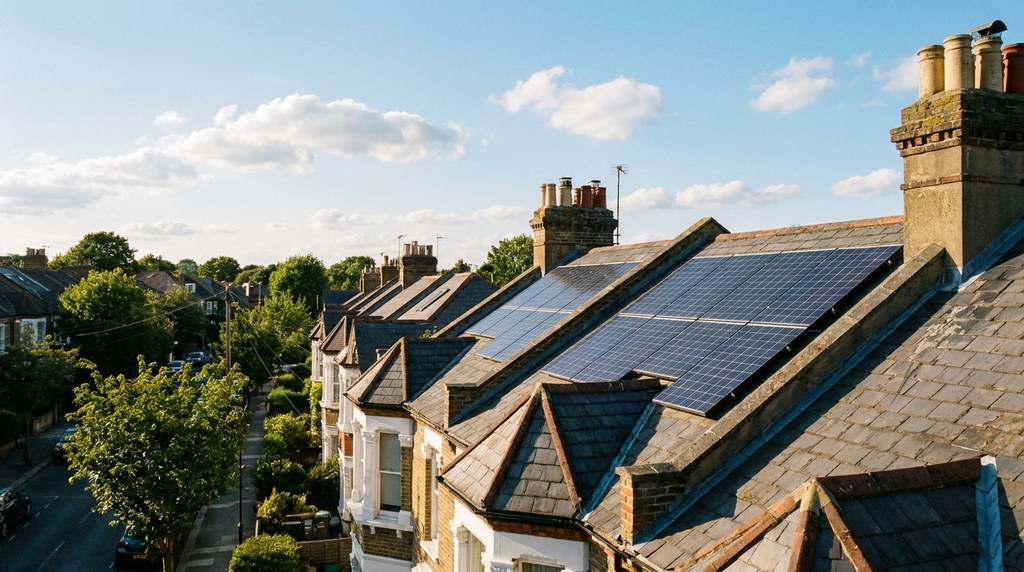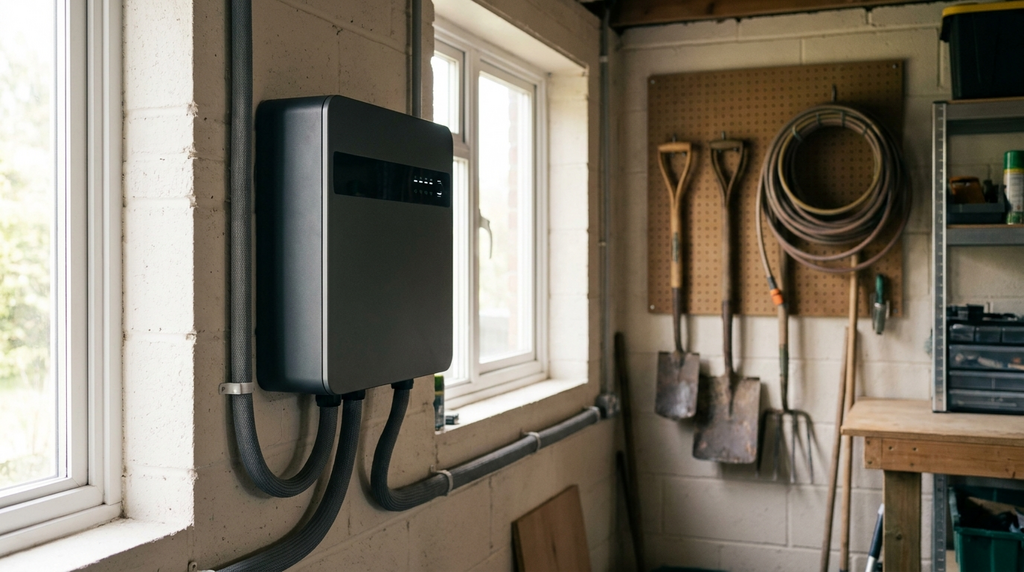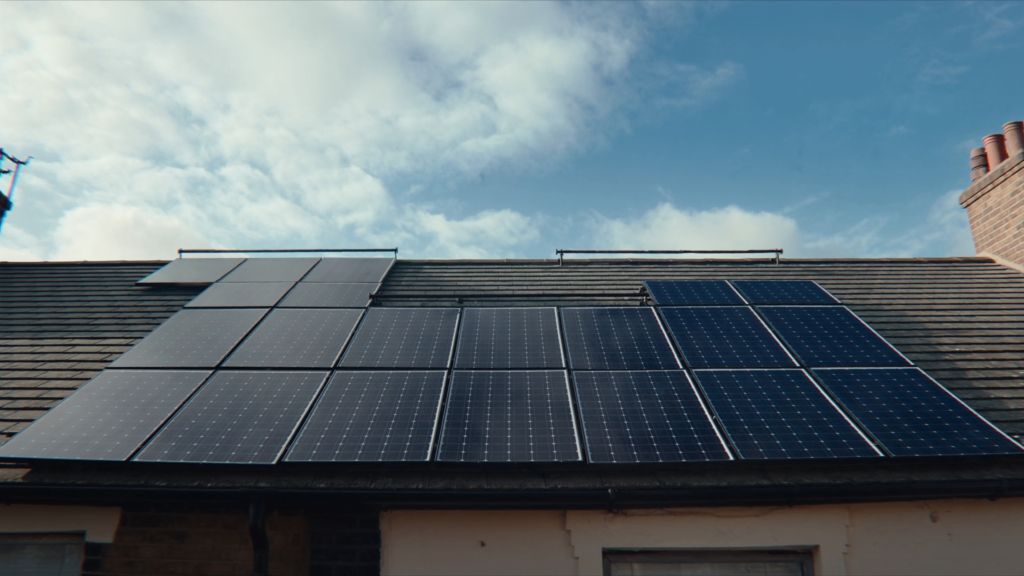
The solar panels themselves still generate DC electricity, but if the inverter dies your system cannot convert that power into usable AC electricity for your home or export it to the grid, so you effectively stop generating usable solar energy. The Energy Saving Trust confirms that the inverter is the component that converts DC electricity from your panels into the AC electricity your home uses (Energy Saving Trust, 2026). Without a functioning inverter, your system produces zero usable output.
This scenario applies to every grid-connected solar PV system in the UK. It does not apply if you have a microinverter or DC-optimiser system, where each panel has its own small inverter, in that case, only the affected panel stops working. It also does not apply if you have a battery storage system with a hybrid inverter, as the battery may still power some loads. For most standard string inverter setups, however, a dead inverter means a dead system until it is replaced.
Your panels remain physically safe
A dead inverter does not damage your solar panels. Panels are passive devices that generate DC voltage when exposed to sunlight, and they can sit safely in that state for months or years without harm. The Microgeneration Certification Scheme (MCS) standards require inverters to include isolation features that prevent backfeed or arcing when the inverter fails (MCS, 2026). Your panels will continue to produce DC power, but it simply goes nowhere, the inverter is the gatekeeper that cannot open.
You lose all generation income
With a dead inverter, you lose both the electricity you would have used and any export payments. Under the Smart Export Guarantee (SEG), you are paid for every kWh exported, but with no conversion, you export nothing. Ofgem states that SEG payments average around 5p per kWh (Ofgem, 2026). A typical 3.5kWp system generating 3,000 kWh per year could lose you approximately £150 annually in export revenue alone, plus the value of self-consumed electricity at current UK rates of around 24p per kWh.
Replacement costs and warranty options
Replacing a standard string inverter in 2026 costs between £800 and £1,500 including installation, depending on inverter size and brand. Most inverters carry a 5-to-10-year manufacturer warranty, and many installers offer extended warranties up to 20 years. The Energy Saving Trust advises checking your warranty before paying for a replacement (Energy Saving Trust, 2026). If your inverter is under warranty, the manufacturer will typically supply a free replacement, you only pay for labour. If it is out of warranty, a like-for-like swap by an MCS-certified installer is the standard fix.
A worked example
A typical 3.5 kWp solar PV system on a 1930s semi-detached house in the UK costs around £5,500 to install, and replacing the inverter when it fails after 10 to 12 years costs roughly £800 to £1,200 for the unit plus labour. If your inverter dies in June, you lose around 450 kWh of generation over a typical four-week replacement window, which at the current 15p per kWh export rate means losing about £67 in export payments alone. The bigger loss is the self-consumed electricity you would have used instead of buying from the grid at 28p per kWh, adding another £125 in missed savings. Energy Saving Trust data shows that a modern replacement inverter is typically 2% to 3% more efficient than the original, so the new unit will recover some of that lost generation over its lifetime. The 0% VAT rate on energy-saving materials, extended until March 2027, applies to inverter replacements too, saving you £200 on a £1,000 inverter.
| Item | Figure |
|---|---|
| Upfront cost after grants | £1,000 |
| Yearly savings | £575 |
| Payback period | 1.7 years |
| 25-year lifetime savings | £13,375 |
What homeowners often get wrong
The most common mistake is assuming a dead inverter means the entire solar system is ruined and needs replacing. Here are three specific errors that cost UK homeowners time, money, or warranty cover.
- Panic-buying a full new system Some homeowners think a failed inverter means the panels are also faulty, so they quote for a whole new installation. The right answer is that panels last 25 to 30 years and are unaffected by inverter failure, so replacing just the inverter costs £800 to £1,200 instead of £5,500 for a full system.
- Waiting weeks for a replacement Many delay ordering a new inverter because they believe it is not urgent. The right answer is that every week of delay in summer loses you £17 to £25 in export earnings and grid savings, so ordering within 48 hours of failure and installing within two weeks keeps your payback on track.
- Fitting a mismatched inverter model Some buy any compatible inverter without checking MCS certification or warranty terms. The right answer is that using an uncertified inverter voids your MCS registration and your Feed-in Tariff or Smart Export Guarantee payments, so always choose an MCS-certified model from the Energy Saving Trust’s approved list.
Quick reference
- A dead string inverter stops all usable solar generation, but the panels themselves remain safe and undamaged for months or years.
- Replacing a string inverter costs £800 to £1,200 including labour, and the 0% VAT rate on energy-saving materials applies until March 2027.
- You qualify for the Smart Export Guarantee (SEG) only with an MCS-certified inverter, so check certification before buying a replacement.
- Waiting four weeks to replace a dead inverter in summer costs you roughly £192 in lost generation savings based on current UK electricity prices.
- Never attempt to repair a dead inverter yourself as this voids all warranties and may create a fire risk from exposed DC voltage.
Frequently Asked Questions
No, you cannot use any solar power if the inverter fails. The Energy Saving Trust states the inverter must convert DC to AC for home use or grid export.
No, inverter failure does not damage solar panels. The Microgeneration Certification Scheme confirms inverters include isolation features to prevent harm.
Replacing a solar inverter typically takes 2 to 4 weeks in the UK. Ofgem advises contacting your installer or an MCS-certified electrician promptly.