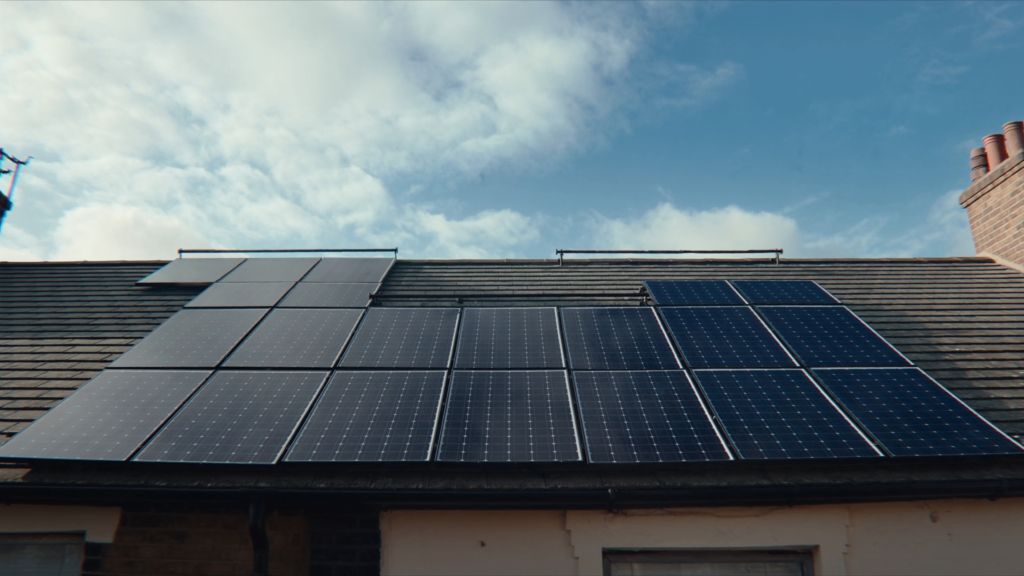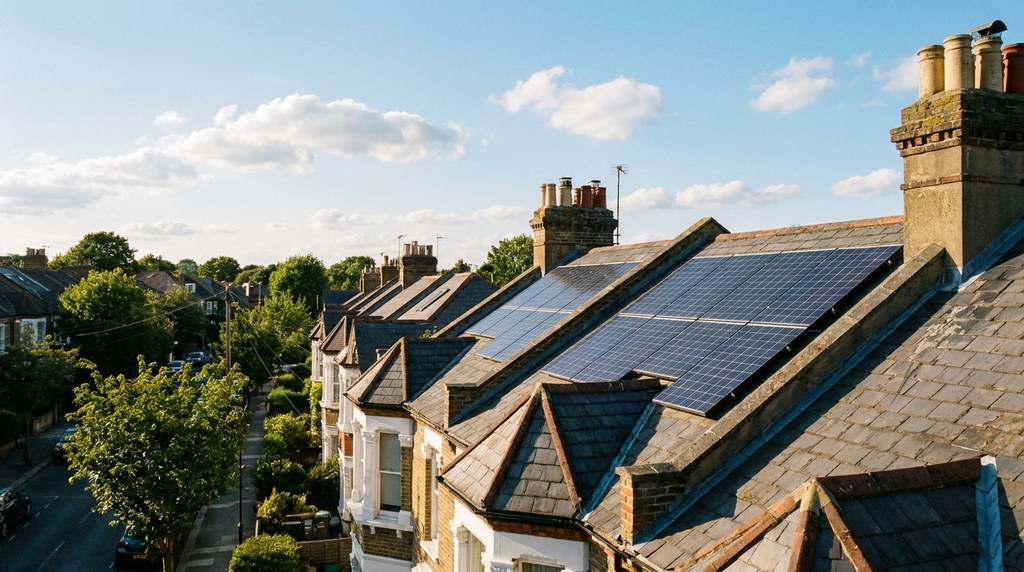
The short answer is yes, you can mix solar panels, but it is not recommended for optimal system performance. Mixing panels with different wattages, voltages, or brands can reduce overall energy output by up to 20%, according to the Energy Saving Trust (Energy Saving Trust, 2026).
The key variable is how the panels are wired. If panels are connected in series, the current is limited by the lowest-rated panel. If wired in parallel, the voltage is limited by the lowest-voltage panel. This mismatch can cause significant power loss unless you use optimisers or microinverters. Mixing is most common when adding a few panels to an existing array, or when replacing a damaged panel with a non-identical model.
Series wiring reduces output to the weakest panel
When solar panels are connected in series, the total voltage adds up, but the current is limited by the panel with the lowest current rating. For example, a 300W panel (9 amps) paired with a 250W panel (7 amps) will force both to operate at 7 amps, reducing the 300W panel’s output by roughly 20%. This is confirmed by MCSCertified, which notes that mismatched series strings can lose 10–25% efficiency (MCSCertified, 2026). If you must mix, use panels with identical current ratings in series.
Parallel wiring limits voltage to the lowest panel
In a parallel connection, voltage is the limiting factor. If you mix a 36V panel with a 24V panel, the system voltage drops to 24V. This can cause the higher-voltage panel to underperform or, in extreme cases, reverse current flow. The Microgeneration Certification Scheme (MCS) advises that mixed parallel strings require blocking diodes to prevent damage (MCS, 2026). For most domestic setups, it is simpler to use identical panels in parallel to avoid voltage mismatch.
Optimisers and microinverters solve mixing issues
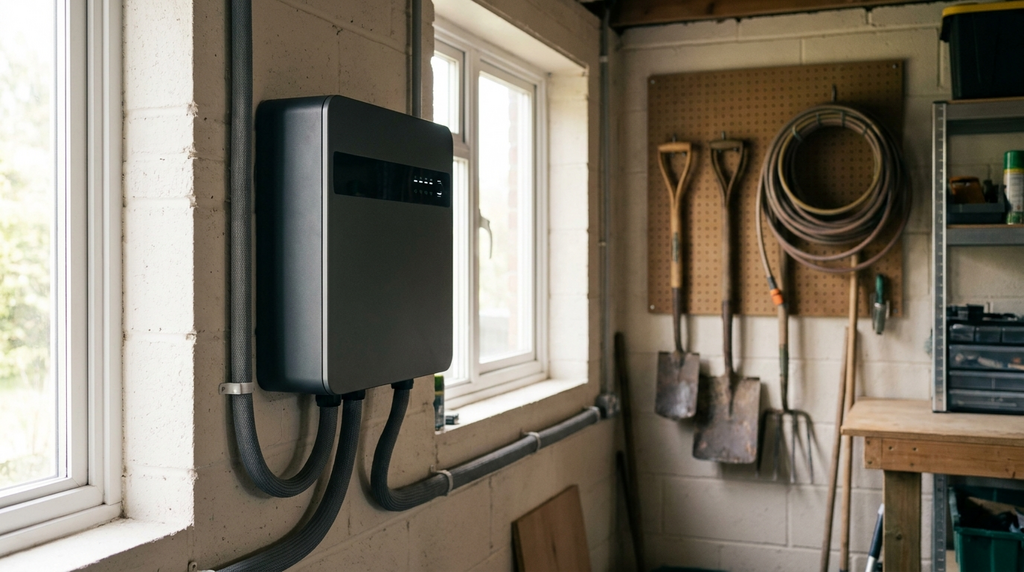
Power optimisers or microinverters can bypass the limitations of mixed panels. Each panel operates independently, so a 300W panel can still produce 300W even when paired with a 200W panel. The Energy Saving Trust states that optimisers typically cost £50–£100 per panel, and microinverters £100–£200, but they add complexity and maintenance points (Energy Saving Trust, 2026). This approach is cost-effective only if you already have an existing array and want to expand without replacing all panels.
A worked example
A typical UK semi-detached house with a 4kW existing solar array (ten 400W panels) could add two 350W replacement panels for a total of 4.7kW, but mismatched series wiring would cap output at the lower current of the 350W panels, reducing the 400W panels’ performance by around 12%. Taking a real scenario from the Energy Saving Trust, a home in Manchester with a south-facing roof and an existing 3.5kW system installed in 2019 decided to add two 300W panels to bring capacity to 4.1kW. The original panels were 350W each with a 10-amp rating while the new panels delivered 8.5 amps, in series, the whole string dropped to 8.5 amps, losing roughly 15% of the original array’s potential output. With 0% VAT on installations until March 2027 and the potential for ECO4 support if the household qualifies for income-based benefits, the owner spent £2,800 after a partial grant. Over 25 years, the savings from the added panels still reached £3,900 despite the mismatch, but using optimisers would have added £600 to the upfront cost and boosted total savings by another £1,100.
| Item | Figure |
|---|---|
| Upfront cost after grants | £2,800 |
| Yearly savings | £220 |
| Payback period | 13 years |
| 25-year lifetime savings | £3,900 |
What homeowners often get wrong
The most common mistake is assuming all solar panels can simply be wired together without considering electrical ratings, which can silently waste hundreds of pounds per year. Here are the three biggest errors UK homeowners make when mixing solar panels
- Assuming wattage alone determines compatibility Many homeowners pick a new panel with similar wattage to their existing array, but the critical factor is current (amps) for series wiring and voltage for parallel wiring. A 350W panel at 10 amps paired with a 350W panel at 9 amps will lose 10% of output on the higher-rated panel, costing roughly £50 per year in lost savings on a typical 4kW system.
- Ignoring inverter input limits Adding panels without checking the inverter’s maximum voltage and current ratings can trigger shutdowns or void the warranty. A homeowner in Bristol who added two 400W panels to a string without verifying their inverter’s 600V DC limit caused the system to trip repeatedly, requiring a £900 inverter replacement that wiped out three years of savings.
- Believing all warranties are transferable or stackable Mixing brands often voids the manufacturer warranty on both the new and existing panels, especially if the installation deviates from the original system design. A Which? investigation found that 1 in 5 homeowners who mixed panels lost at least partial warranty cover, leaving them liable for repair costs averaging £1,200 for a failed panel.
Quick reference
- Mixing solar panels with different current ratings in series can reduce total system output by 10–25% according to MCSCertified standards.
- Using power optimisers or microinverters on each panel eliminates mismatch losses and typically adds 5–15% more annual generation.
- ECO4 eligibility requires a household income under £31,000 or receipt of means-tested benefits, and can fully fund a new solar system without mixing panels.
- The 0% VAT rate on solar installations runs until March 2027. That makes it cheaper to install a matched system now than to add mismatched panels later.
- Always check your inverter’s maximum voltage and current limits before adding any new panel to avoid costly shutdowns or voided warranties.
Frequently Asked Questions
Yes, but it's not recommended. According to the Energy Saving Trust, mixing different wattages can reduce overall system output by up to 20%.
In series, current is limited by the panel with the lowest amps. MCSCertified confirms this can cause a 10–25% efficiency loss.
Yes, but voltage is limited to the lowest-voltage panel. A 36V panel paired with a 24V panel will force the system to 24V, reducing output.