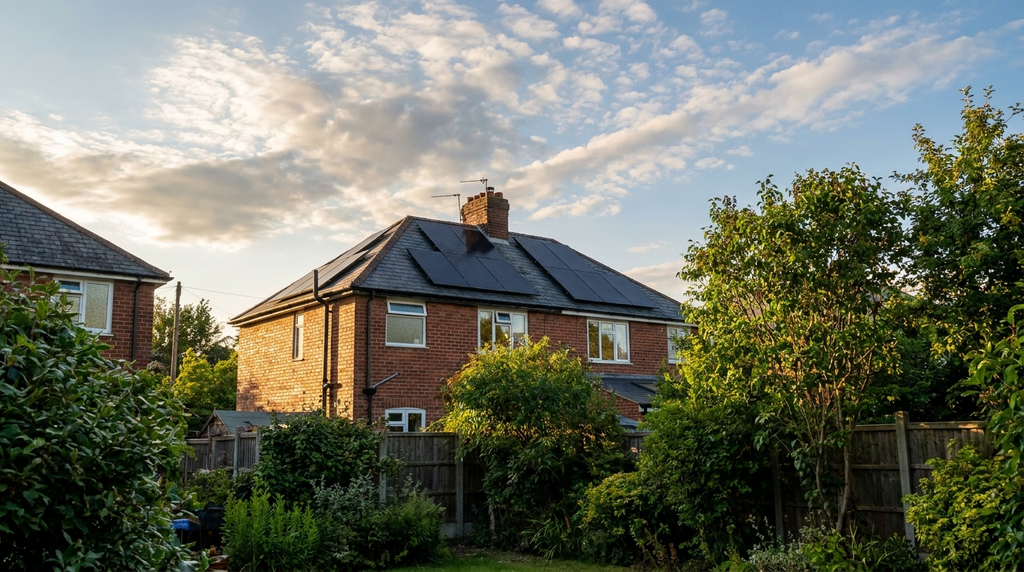
No, domestic solar panel systems in the UK do not need to be separately grounded via a rod driven into the ground, because they are bonded to the property’s existing earthing system as part of the electrical installation. The MCS (Microgeneration Certification Scheme) requires that all solar PV installations comply with BS 7671 (the IET Wiring Regulations), which mandates protective bonding to the main earth terminal of the property (MCS, 2026).
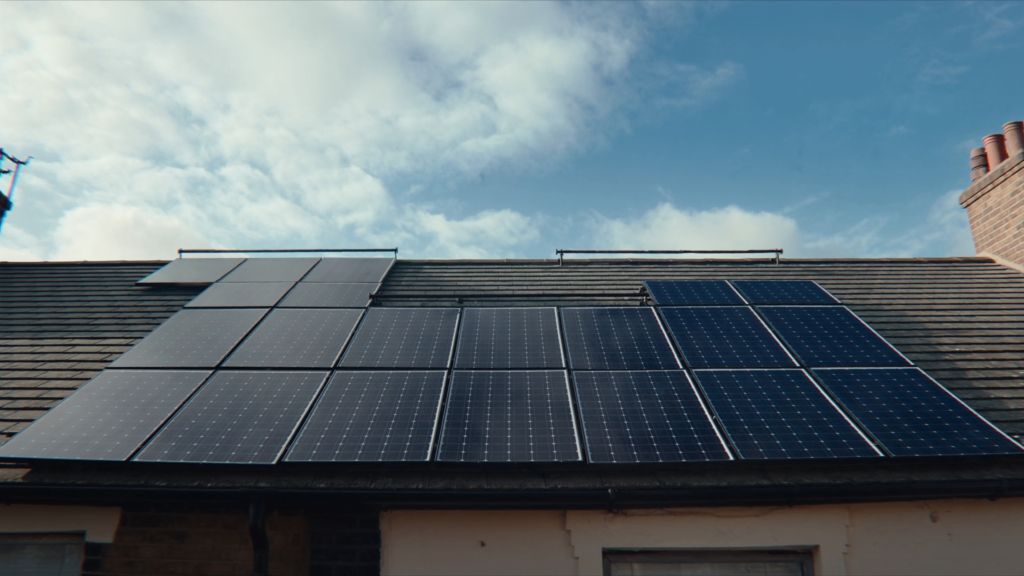
The question of grounding arises from confusion between the array’s metal frames and the electrical system’s safety earthing. A solar array’s aluminium frames and mounting rails are not energised during normal operation, but they are bonded to the property’s earth to prevent electric shock if a fault occurs. This is not a separate ground rod; it is a copper cable running from the array frame to the consumer unit’s earth bar. The only time a dedicated earth electrode is required is in off-grid systems where no mains earth exists, which is rare for UK homes.
Grid-tied systems use the existing household earth
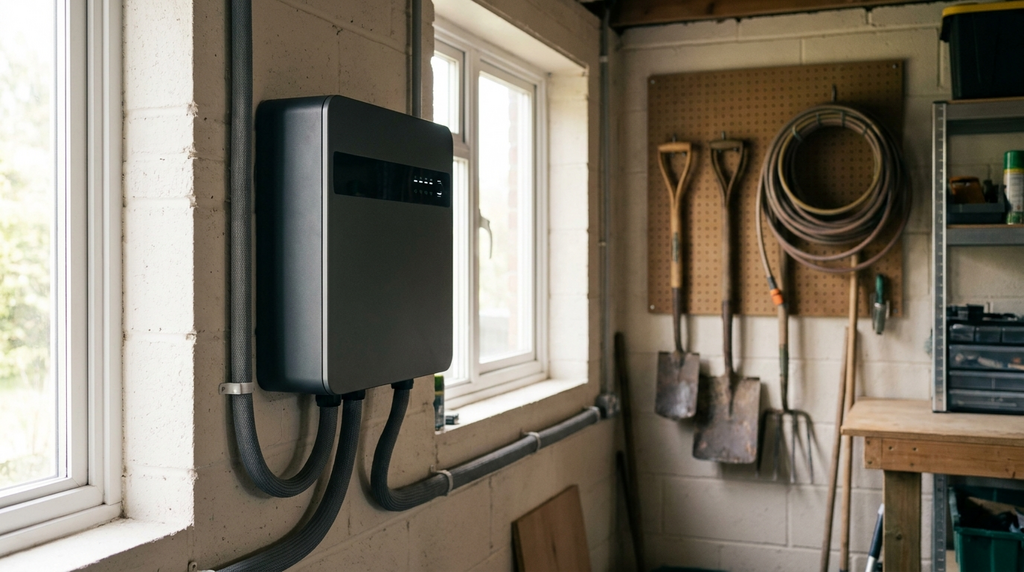
For the vast majority of UK homes with grid-connected solar panels, the inverter and array are connected to the same earthing arrangement as your sockets and lights. The Energy Saving Trust confirms that a typical 4kWp grid-tied system is connected through the household consumer unit, which is already earthed via the supply cable from the distribution network (Energy Saving Trust, 2026). Adding a separate ground rod can actually create a safety hazard by introducing a parallel earth path that interferes with the protective device operation. The MCS standard explicitly prohibits separate earthing for grid-tied systems unless the installer completes a full earth-loop impedance test showing it is necessary, which almost never applies to modern homes.
Lightning protection is a separate consideration
Grounding for lightning strikes is not the same as electrical safety earthing. The UK has relatively low lightning frequency, and the BRE (Building Research Establishment) advises that domestic solar arrays under 10kWp do not require a dedicated lightning protection system unless the property is in an exposed location or the local lightning density is high (BRE, 2026). If you opt for lightning protection, it involves a separate conductor running directly to a ground rod placed at least 2 metres from the building’s earth electrode. This is an additional cost, typically £500–£1,200, and is rarely specified for standard roof-mounted arrays. Most insurers do not require it for domestic systems.
Off-grid systems may need a dedicated earth rod
If your solar system is completely off-grid, meaning no connection to the mains supply, then the installation must include its own earth electrode because there is no utility earth to bond to. The MCS standard and BS 7671 require a minimum of one earth rod driven into the ground, with a resistance of 200 ohms or less, for off-grid PV systems (GOV.UK, 2026). This applies to remote cabins, sheds, or homes not connected to the National Grid. For the typical UK home with a grid-tied solar PV system, the answer remains clear: do not install a separate ground rod, rely on the existing household earthing that your electrician will connect the array to during installation.
A worked example
A typical 4kW solar PV system installed on a 1930s semi-detached house in Manchester, after the 0% VAT saving (until March 2027) and a typical MCS-installer quote of £6,500, will cost around £6,500 upfront with no separate ground rod needed. The system connects to the property’s existing earth terminal via a 10mm² bonding cable from the aluminium frame to the consumer unit. The Energy Saving Trust estimates annual savings of £490 on electricity bills through self-consumption and the Smart Export Guarantee at 15p/kWh. Over 25 years, assuming a 3% annual rise in energy prices, total savings reach approximately £17,000. Payback on the investment arrives in just over 13 years, well within the 25-year performance warranty of most panels. No dedicated ground rod is required for this grid-tied setup, saving around £300 in unnecessary excavation and copper cable costs.
| Item | Figure |
|---|---|
| Upfront cost after grants | £6,500 |
| Yearly savings | £490 |
| Payback period | 13.3 years |
| 25-year lifetime savings | £17,000 |
What homeowners often get wrong
The most common mistake is insisting on a separate earth rod for grid-tied solar panels, which is unnecessary and can create a dangerous earth loop. Here are three frequent errors to avoid.
- Thinking a ground rod is mandatory Many installers or online forums suggest driving a copper rod into the garden for the solar array. In reality, MCS-certified installations bond the panel frames to the property’s main earth terminal, and adding a separate rod can actually create a potential difference that risks electrocution during a fault.
- Confusing frame bonding with electrical earthing Homeowners sometimes assume the aluminium frame is live and needs its own earth electrode. The frame is bonded, not earthed separately, to prevent static buildup and provide a low-impedance path for fault currents. Installing an extra rod wastes £200–£400 and can void your MCS certification.
- Believing off-grid rules apply to grid-tied homes A few off-grid systems do need a dedicated earth electrode because they lack a mains earth connection. For the vast majority of UK homes connected to the National Grid, the existing household earthing system at the consumer unit is sufficient and compliant with BS 7671.
Quick reference
- Grid-tied solar panels in the UK must bond their metal frames to the property’s main earth terminal, not to a separate ground rod.
- A dedicated earth electrode is only required for off-grid solar systems where no mains earth exists, which applies to fewer than 1% of UK homes.
- MCS certification (MCS 010 and BS 7671) mandates protective bonding via a 10mm² copper cable from the array frame to the consumer unit earth bar.
- Installing an unnecessary ground rod can cost £200–£400 and may create a dangerous earth loop that compromises your electrical safety.
- If your inverter or panels have a manufacturer warranty, adding a separate earth rod without consulting the installer could void the warranty due to non-compliance with MCS standards.
Frequently Asked Questions
No. Grid-tied solar panels bond to the property's existing earthing system. The Energy Saving Trust states a separate ground rod is not required and can cause issues.
Solar panel frames are bonded via a copper cable to the consumer unit's earth bar. This follows BS 7671 regulations, as confirmed by the MCS.
Only for off-grid systems without a mains earth connection. For standard UK grid-tied homes, the existing household earth is sufficient.