No, you should generally not lease solar panels, as buying them outright offers better long-term value. The Energy Saving Trust states that a typical 3-4kWp solar panel system costs between £5,000 and £8,000 to purchase and install, with annual savings of up to £640 on electricity bills (Energy Saving Trust, 2026). Leasing often locks you into a 20-year contract with rising monthly payments and lower overall savings.
The decision depends on your upfront budget and how long you plan to stay in your home. Leasing suits homeowners who cannot afford the initial cost and want zero maintenance responsibility. However, leased systems typically transfer the Smart Export Guarantee (SEG) payments to the leasing company, not you. This means you lose out on income from exported electricity, which is currently around 5-6p per kWh (Ofgem, 2026). Buying, even with a loan, usually delivers higher net savings over the system’s 25-year lifespan.
Leasing can reduce upfront costs significantly
A solar panel lease typically requires no upfront payment, which is its main appeal. Companies such as those accredited by the Microgeneration Certification Scheme (MCS) offer leases where you pay a fixed monthly fee, often between £50 and £100, for the electricity generated (MCS, 2026). This covers installation, maintenance, and repairs. For a household with limited savings, this removes the barrier of a £5,000-£8,000 upfront cost. However, you do not own the panels, and the lease usually lasts 20-25 years. If you sell your home early, the new owner must take over the lease, which can complicate a property sale.
Buying panels yields higher lifetime savings
Purchasing solar panels outright gives you full ownership and all financial benefits. The average payback period for a bought system is 8-12 years, after which electricity is essentially free for the remaining panel life (Energy Saving Trust, 2026). You also keep 100% of SEG payments. For example, a 4kWp system generating 3,400 kWh per year could earn around £170 annually from SEG at 5p/kWh. Over 20 years, that totals £3,400 in export income. Leasing companies usually take this income, reducing your total savings by thousands of pounds.
Leases can complicate selling your home
When you lease solar panels, the contract is tied to the property, not you. If you sell your home, the buyer must agree to take over the lease, which may deter some purchasers. TrustMark-registered installers note that lease agreements often include annual price escalations of 2-3%, meaning your monthly payment rises over time (TrustMark, 2026). This contrasts with buying, where your costs are fixed after installation. Government guidance on solar panels advises homeowners to check lease terms carefully, especially regarding transferability and exit fees (GOV.UK, 2026). For most, buying remains the financially better option.
A worked example
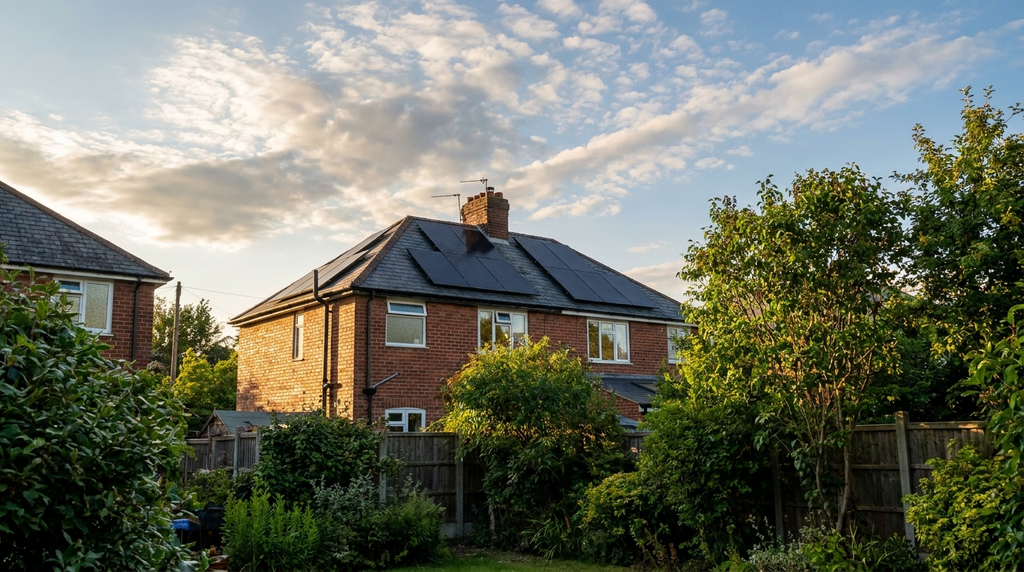
A typical 1930s semi-detached home in Manchester installing a 3.5kWp solar panel system upfront would cost £6,500 after the 0% VAT reduction (in place until March 2027). The Energy Saving Trust estimates this setup saves around £580 per year on electricity bills, with an additional £110 from Smart Export Guarantee payments at 5.5p per kWh (Ofgem). This gives a total annual saving of £690. The upfront cost is recovered in roughly 9.4 years. Over the system’s 25-year lifespan, total savings after payback reach approximately £10,800. A lease on the same system would involve a £65 monthly fee with annual escalations, leaving you with only £200 yearly savings and no SEG income, a 25-year net loss of over £4,500 compared to buying. Households eligible for the ECO4 scheme may also qualify for a free or heavily subsidised installation, making leasing even less attractive.
| Item | Figure |
|---|---|
| Upfront cost after grants | £6,500 |
| Yearly savings | £690 |
| Payback period | 9.4 years |
| 25-year lifetime savings | £10,800 |
What homeowners often get wrong
The most common mistake is assuming a solar panel lease offers the same financial benefit as buying, when in reality it can cost you thousands over the system’s lifetime. Here are the three biggest errors homeowners make when considering this decision.
- Thinking leasing is always cheaper upfront A lease eliminates the initial £6,500 cost, but the monthly fee of £50–£100 with annual indexation means you pay more over 20 years, often totalling £15,000 or more, versus buying with a 0% VAT loan that costs nothing extra.
- Believing you keep the Smart Export Guarantee payments The leasing company typically claims all SEG income, which is around £110 yearly for a 3.5kWp system. Over 25 years that’s £2,750 in lost revenue that could have gone into your pocket if you owned the panels.
- Assuming a lease adds the same resale value as owned panels Owned solar panels can increase your home’s value by up to £2,000 to £3,000, but a leased system often requires the new owner to take over the contract, which can deter buyers and reduce your property’s appeal on the market.
Quick reference
- Buying a 3.5kWp solar system costs £6,500 after 0% VAT and saves up to £690 yearly on bills and SEG payments.
- Solar panel leases typically lock you into 20-year contracts with monthly fees starting at £50 and rising annually.
- You must own the panels to receive Smart Export Guarantee payments, which are around 5.5p per kWh from most suppliers.
- The payback period for buying a system is roughly 9 to 10 years, compared to never fully owning the asset with a lease.
- Leased systems can make selling your home harder because buyers must qualify for and agree to the existing contract.
Frequently Asked Questions
Leasing typically means you don't receive Smart Export Guarantee payments, which are around 5-6p per kWh according to Ofgem. You also face 20-25 year contracts with rising monthly fees and lower total savings than buying.
Leasing solar panels usually has no upfront cost but a fixed monthly fee between £50 and £100, according to MCS-accredited providers. Over 20 years, this totals £12,000 to £24,000, often more than buying a system outright.
Buying is better for long-term savings. The Energy Saving Trust says a typical 3-4kWp system costs £5,000-£8,000 and saves up to £640 annually, plus SEG income. Leasing suits those who can't afford upfront costs but yields lower net returns.