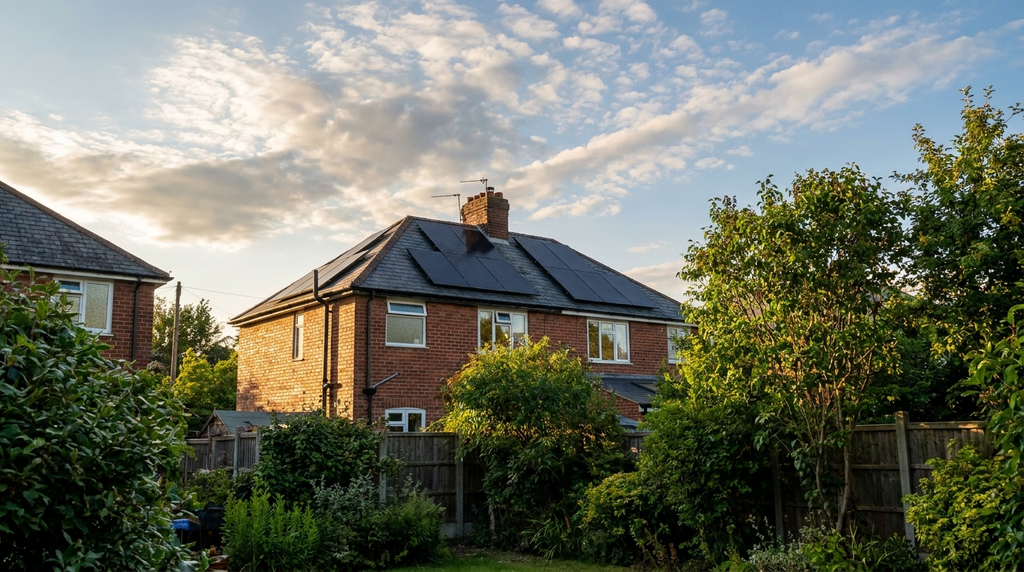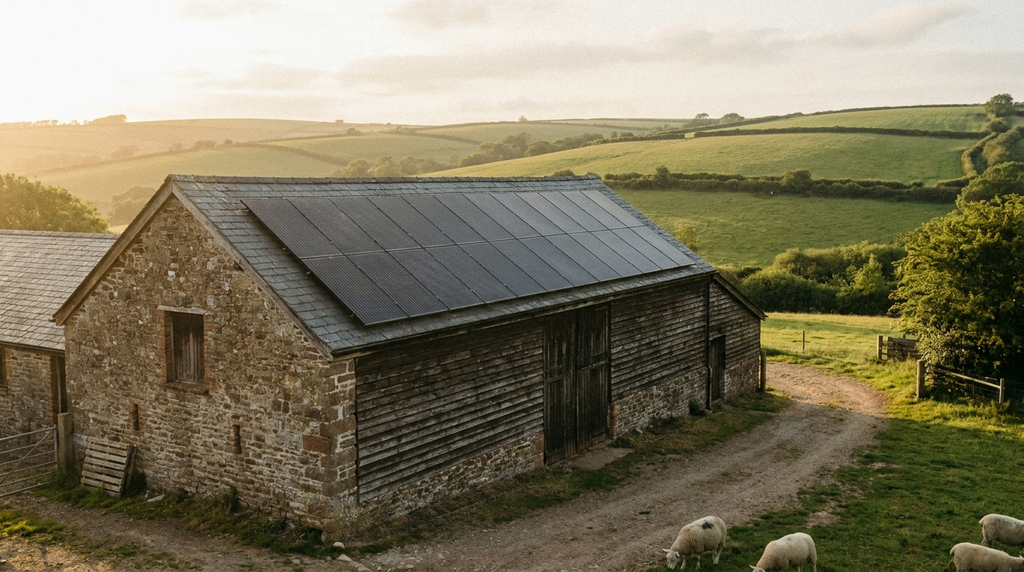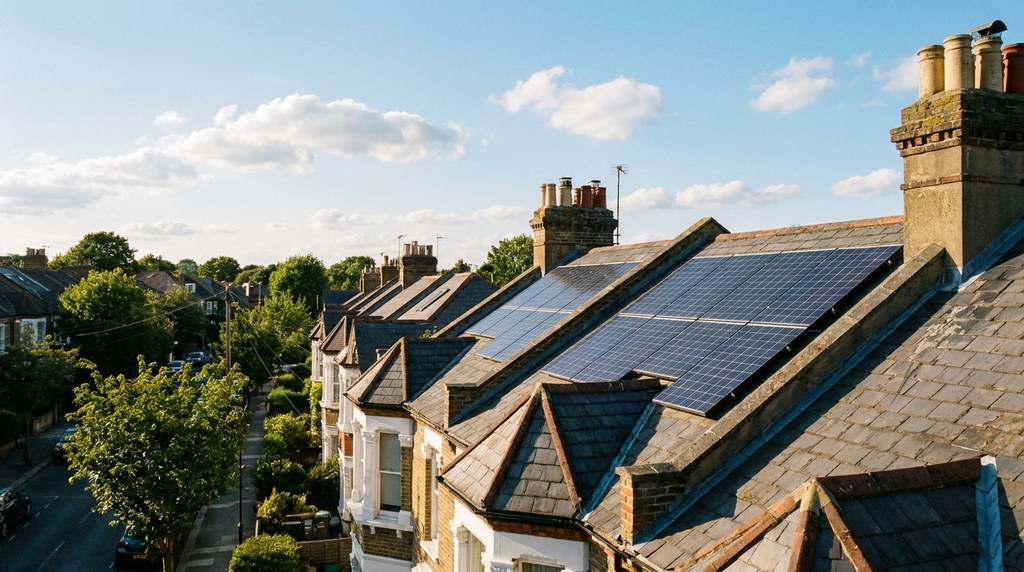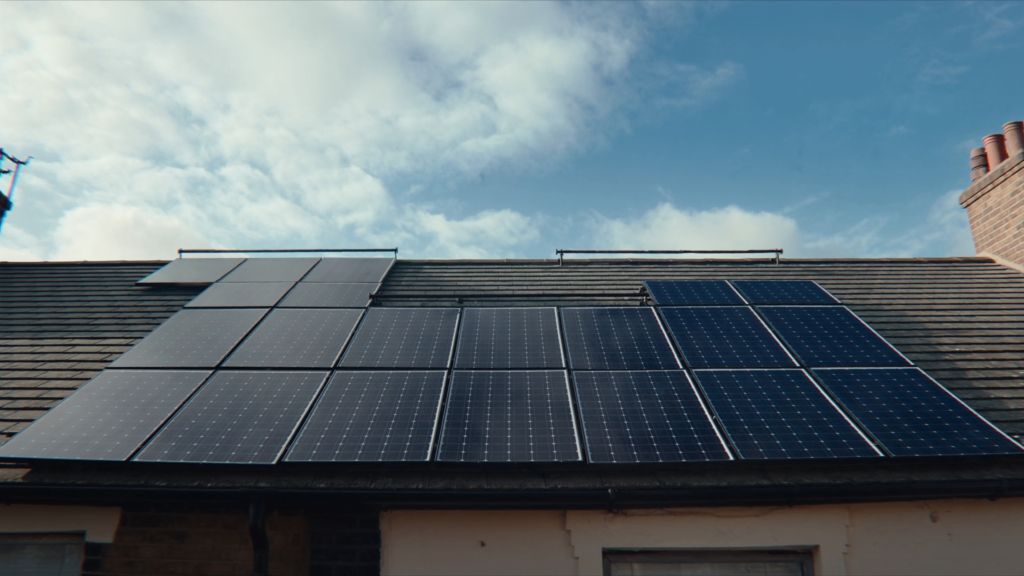
Solar panels should generally face south for maximum output, but east or west facing can be a smart choice if your roof is oriented that way. A south-facing 4kWp system generates around 3,400 kWh/year, while east or west facing panels produce roughly 15-20% less, according to the Energy Saving Trust (Energy Saving Trust, 2026). This trade-off is often worthwhile if you use more energy in the morning or late afternoon.
The key variable is your household’s electricity usage pattern. East-facing panels peak in the morning, ideal for homes with high daytime consumption. West-facing panels generate more in the afternoon and early evening, aligning with typical post-work demand. Neither orientation is wrong, but they shift when you generate power rather than how much overall. If you are on a time-of-use tariff, this timing can significantly affect savings.
East facing panels capture morning sunlight
East-facing solar panels start generating electricity early, often from around 6am in summer, and peak around 10am to midday. The Energy Saving Trust notes that east-facing panels produce about 15% less annual energy than south-facing ones (Energy Saving Trust, 2026). This suits households where people are home during the day, such as remote workers or retired couples. You can use the morning generation to run appliances, charge devices, or heat water, reducing grid imports when tariffs are often higher.
West facing panels maximise afternoon output
West-facing panels generate most of their electricity from midday to sunset, peaking around 4pm to 6pm in summer. According to the MCS standards, west-facing systems typically produce 15-20% less than south-facing, but the timing aligns with peak household demand after work and school (MCS, 2026). This can reduce reliance on grid electricity during expensive evening peak hours, especially on time-of-use tariffs like Economy 7 or agile pricing. A west-facing system also helps charge a home battery for evening use.
East or west can still meet your needs
Neither east nor west orientation is a deal-breaker for solar viability. The UK government’s Smart Export Guarantee pays for electricity exported to the grid, typically around 5-15p/kWh, regardless of orientation (GOV.UK, 2026). A 4kWp east or west system can still save you £200-£300 annually on electricity bills, depending on self-consumption rates. For most homes, the roof orientation you have is the best one to use, as the cost of re-roofing or mounting frames rarely justifies chasing south.
A worked example
For a 4kWp system on a 1930s semi-detached house in Manchester, east-facing panels cost around £5,500 after the 0% VAT saving (in place until March 2027) and generate roughly 2,890 kWh per year. With a typical time-of-use tariff, a household using 60% of that generation directly saves about £460 annually on electricity bills. The payback period is approximately 12 years, and over the system’s 25-year lifetime, total savings reach nearly £11,500. If you qualify for the ECO4 scheme or a Smart Export Guarantee tariff, those figures improve further. The Energy Saving Trust confirms that east-facing panels produce around 15% less annual output than south-facing ones, but the timing advantage often cancels out the gap for daytime-heavy households (Energy Saving Trust, 2026).
| Item | Figure |
|---|---|
| Upfront cost after grants | £5,500 |
| Yearly savings | £460 |
| Payback period | 12 years |
| 25-year lifetime savings | £11,500 |
What homeowners often get wrong
The most common mistake is assuming east or west-facing panels are not worth installing at all. Here are three misconceptions that cost UK homeowners money and missed opportunities.
- Believing east or west panels are a waste of money Many homeowners skip a quote because they think only south-facing roofs work. The right answer is that east or west panels still generate over 2,800 kWh annually for a typical 4kWp system, saving £400-£500 per year, and you avoid missing out on the 0% VAT rate ending in 2027.
- Ignoring your electricity usage pattern Some people choose orientation based on neighbour advice rather than their own schedule. The right answer is to match panels to your peak usage: east for morning-heavy homes (remote workers, retirees) and west for afternoon-evening demand, misalignment can waste up to 30% of potential savings.
- Forgetting about the Smart Export Guarantee Homeowners often assume east or west panels earn less from exported electricity. The right answer is that SEG tariffs pay per kWh exported regardless of orientation, so a west-facing system exporting at 4pm still earns the same rate as a south-facing one, potentially £100-£150 per year.
Quick reference
- East-facing panels generate about 15% less annual energy than south-facing ones, according to the Energy Saving Trust.
- West-facing panels produce roughly 20% less annual output than south-facing ones but peak during typical post-work hours.
- You are eligible for the 0% VAT rate on solar panel installations until 31 March 2027, regardless of roof orientation.
- A typical 4kWp east-facing system on a 1930s semi-detached house saves around £460 per year with a 12-year payback period.
- Failing to check your time-of-use tariff before choosing orientation can reduce your savings by up to 30%.
Frequently Asked Questions
Yes, east-facing panels produce about 15% less annual energy than south-facing ones, according to the Energy Saving Trust. The trade-off is higher morning generation when tariffs may be higher.
Yes, west-facing panels are worth it if you use most electricity in the afternoon and evening. They generate around 15-20% less annually than south but match typical post-work demand.
South is the best direction for maximum total output in the UK, according to the Energy Saving Trust. East or west are good alternatives if your roof faces that way or you want to shift generation timing.