The single most important thing you need to know before adding panels to an existing system
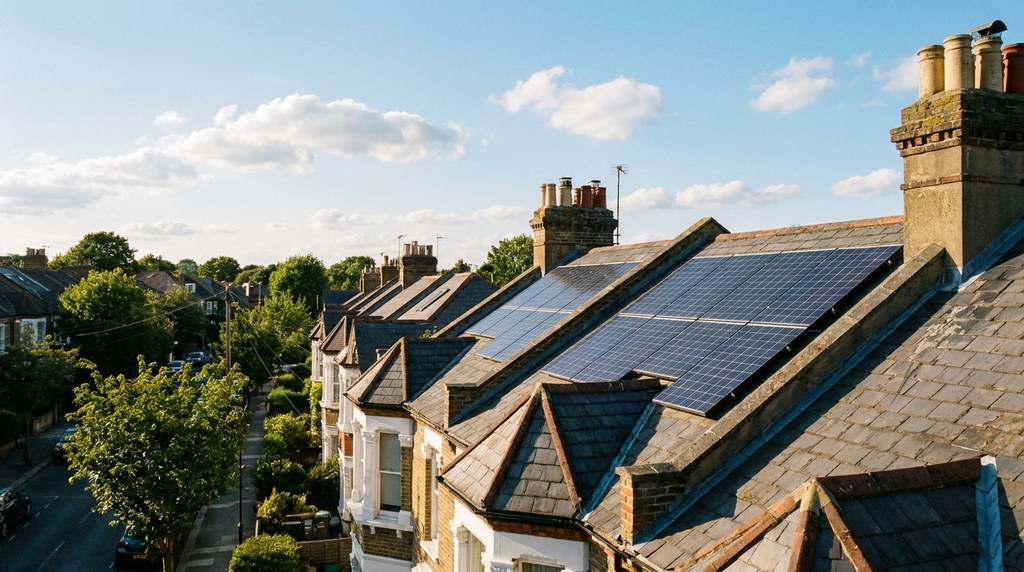
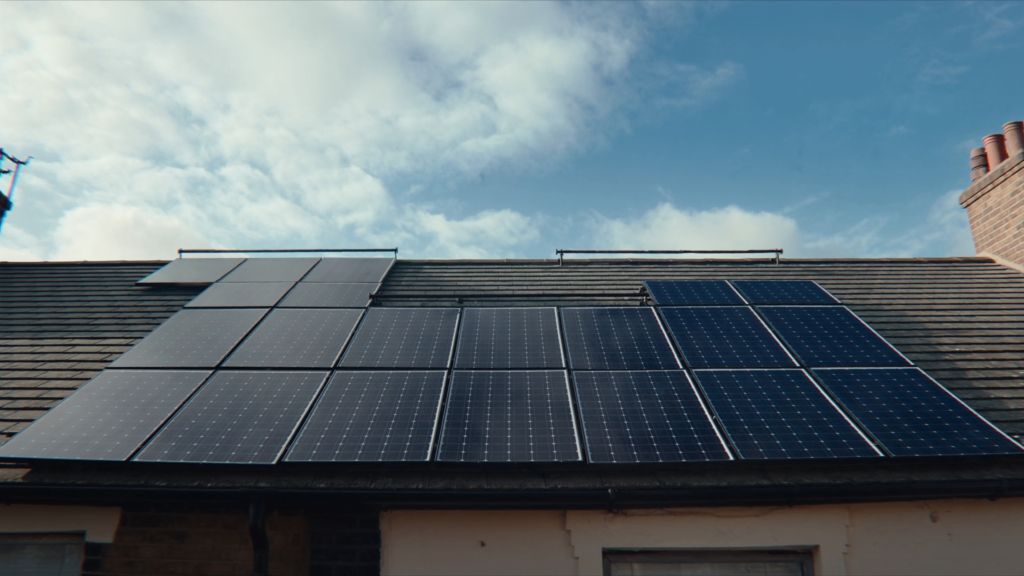
Adding panels to an existing solar system is almost always technically possible. But the financial and regulatory case depends entirely on your current inverter capacity, your roof space, and your export arrangement.
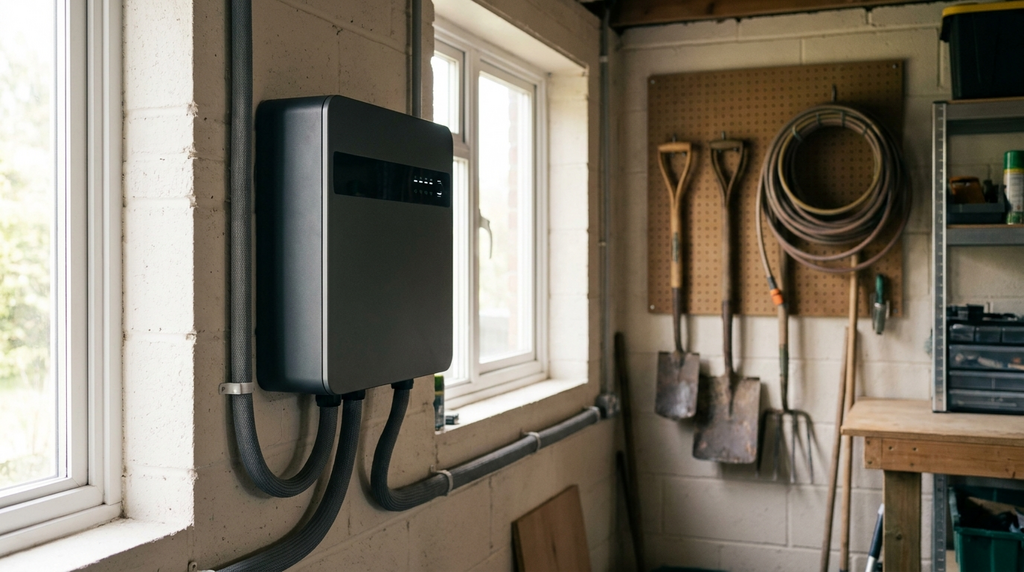
A typical UK system installed since 2010 uses a single inverter, which has a maximum input rating printed on its label. If your new panels push the total system wattage beyond that rating, you may need a second inverter or a larger inverter, which significantly changes the cost equation. The MCS (Microgeneration Certification Scheme) database shows that most systems are designed with some headroom, but you cannot assume this without checking the inverter datasheet (MCS, 2026).
If you add panels without first confirming the inverter’s capacity, you risk paying for generation you cannot use when the sun is strongest.
Quick numbers typical costs and payback for adding panels
The table below shows typical costs and payback for adding panels to an existing system, based on 2026 data. All figures assume you keep your existing inverter unless stated otherwise.
| Scenario | Average cost range | Annual generation increase (kWh) | Payback period (years) | Inverter upgrade likely? |
|---|---|---|---|---|
| 1–2 panels (400–800 W) | £800–£1,500 | 350–700 kWh | 5–8 years | No (if inverter has headroom) |
| 3–4 panels (900 W–1.6 kW) | £1,200–£2,500 | 800–1,400 kWh | 7–11 years | Possible |
| Full roof extension (2–3 kW) | £2,500–£4,500 | 1,800–2,700 kWh | 9–14 years | Highly likely |
Costs come from DESNZ “Solar photovoltaic (PV) cost data” 2026 release (DESNZ, 2026). Generation estimates are based on Energy Saving Trust “Solar panel payback and savings” guidance (Energy Saving Trust, 2026). Payback periods assume 2026 Smart Export Guarantee (SEG) rates averaging 15p/kWh for exported electricity (Ofgem, 2026).
Eligibility rules for adding panels who can, who cannot, and why
You are eligible to add panels if your existing system is MCS-certified and your inverter has enough input capacity. If your inverter is maxed out, you are not eligible without an inverter upgrade or a second inverter.
You are ineligible for the full Smart Export Guarantee (SEG) rate on new generation if you add panels without notifying your Distribution Network Operator (DNO) and updating your MCS certificate. The DNO must approve the change if your new total capacity exceeds 3.68 kW per phase (Energy Networks Association, 2026).
Glazing is standard-rated for VAT at 20%. The zero rate for energy-saving materials covers insulation, heat pumps and solar panels; HMRC names secondary and double glazing as excluded (VAT Notice 708/6). HMRC says the VAT status depends on whether the work is a single supply or a separate supply (HMRC VAT Notice 708/6, 2026). Glazing is standard-rated for VAT at 20%. The zero rate for energy-saving materials covers insulation, heat pumps and solar panels; HMRC names secondary and double glazing as excluded (VAT Notice 708/6).
The plain-English answer to “Is it worth adding more panels to my existing system?”
The answer is “Yes, if and only if your inverter has spare capacity and you can avoid a full rewire.” Otherwise, the cost of inverter replacement or a second inverter often wipes out the financial benefit.
For a typical 3–4 kW system with a 3.6 kW inverter, adding 1–2 panels (around 400–800 W) is usually worth it because the inverter can handle the extra input and the installation cost is low (Energy Saving Trust, 2026). For a system already at inverter capacity, adding panels forces a new inverter or a second inverter, which typically doubles the cost and extends payback beyond 10 years. That makes it less worthwhile.
If you have a microinverter system (each panel has its own small inverter), adding panels is simpler because you do not need to worry about a central inverter capacity limit. But the cost per panel is higher, typically £200–£300 per panel for the microinverter itself (MCS installation data, 2026).
How to verify your installer and ensure your system remains certified
Any installer adding panels to an existing MCS-registered system must be MCS-certified for the work. Check their MCS number on the MCS Installer Database (mcscertified.com, 2026).
The installer must also be registered with TrustMark for consumer protection (TrustMark, 2026). If they touch the electrical connection, they must be registered with NICEIC or NAPIT for Part P compliance in England and Wales (NICEIC, 2026).
After installation, the installer must update your MCS certificate to reflect the new total system capacity. You then need to notify your DNO via the G99/G100 process if the new capacity exceeds 3.68 kW per phase (Energy Networks Association, 2026). If you skip this step, your SEG payments may stop.
What happens to your export tariff and SEG payments when you add panels
You must inform your energy supplier of the system upgrade. Your existing SEG tariff rate may change if your new total capacity moves you into a different tariff band, for example from a “small” to a “medium” system (Ofgem, 2026).
If you add panels and do not update your MCS certificate, your supplier may stop paying the SEG rate and revert you to the deemed export rate, which is typically lower at around 5p/kWh. Some suppliers, such as Octopus and EDF, allow you to keep your existing SEG rate if the upgrade is minor (fewer than 2 panels). Others require a new SEG application (Octopus Energy, 2026; EDF Energy, 2026; British Gas, 2026).
The one number you must check before you call an installer
The critical number is your inverter’s “maximum DC input voltage” and “maximum DC input power” in kilowatts. These are printed on the inverter label or in the manual.
If the new total panel wattage (existing plus new) exceeds 110% of the inverter’s rated DC input power, the inverter will clip output during peak sun, meaning you pay for panels you cannot use (MCS “System design” guidance, MIS 3002, 2026). If the new total panel wattage exceeds 100% of the inverter’s rated AC output power, you must upgrade the inverter or add a second inverter (SolarEdge datasheets, 2026; Enphase datasheets, 2026; SMA datasheets, 2026).
Check this number before you call an installer. If your inverter is already at or near its limit, adding panels will not be cost-effective without a significant inverter upgrade.