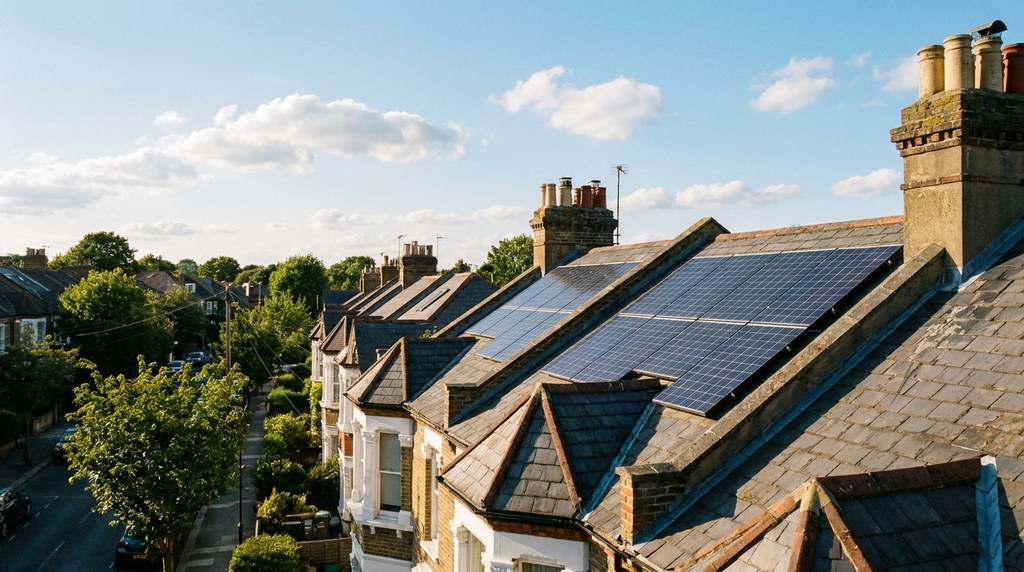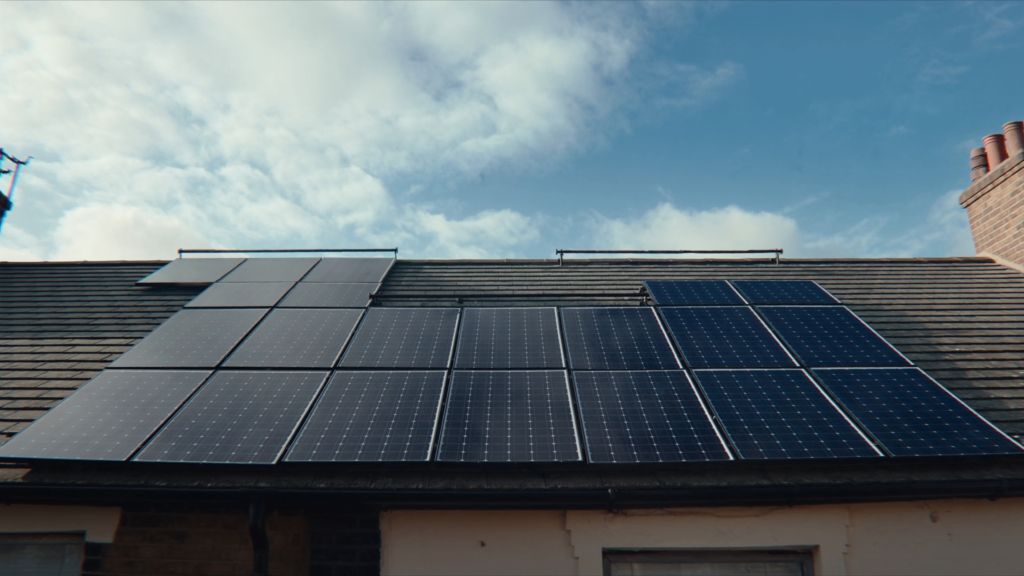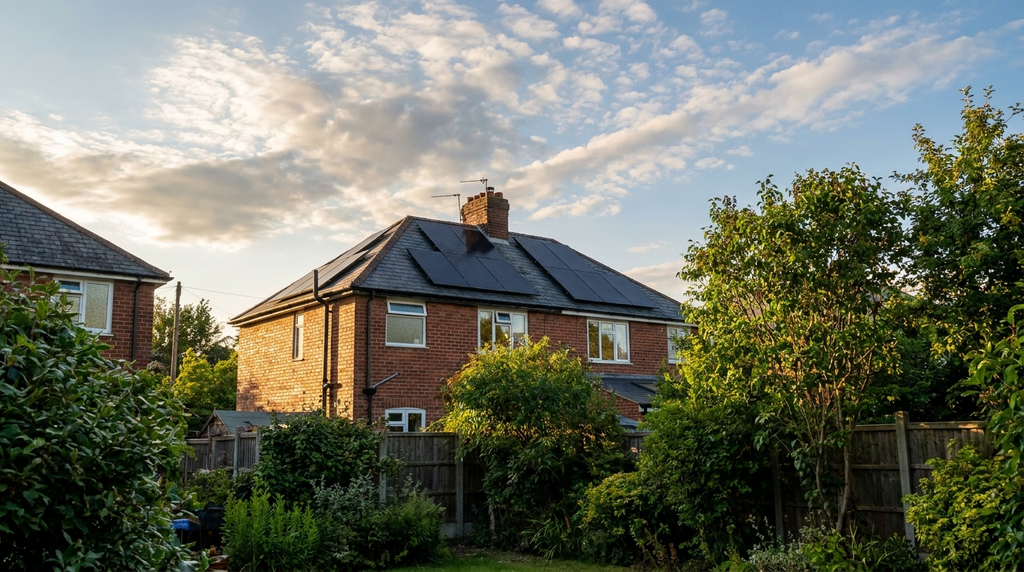
Yes, solar panels can increase your house value by an average of 1.7% to 3.8% of the property price, according to a 2026 analysis by the Energy Saving Trust (Energy Saving Trust, 2026). For a typical UK home valued at £300,000, this equates to an uplift of £5,100 to £11,400.
The actual value increase depends on whether you own the panels outright, their age and efficiency, and local buyer demand. Homes with fully owned solar systems sell faster than those with leased or unowned panels. The variable is ownership: if you have a lease or power purchase agreement, buyers may see it as a liability, not an asset.
Owned panels add the most value
Panels that are fully owned and free from any contract add the highest premium. The Energy Saving Trust notes that owned systems typically add 2–4% to a home’s sale price (Energy Saving Trust, 2026). Buyers value the immediate savings on electricity bills, which average £270–£400 per year for a typical 3.5kWp system. To maximise value, ensure you have the original MCS certificate and warranty documents ready for potential buyers. These prove the system meets industry standards and is transferable.
Leased panels can reduce value
If your solar panels are leased or under a power purchase agreement (PPA), they may decrease your house value. Ofgem warns that leases with 15–25 year terms can deter buyers, who may be unwilling to take on monthly payments or share electricity savings (Ofgem, 2026). Some buyers view these contracts as a financial burden. The net effect can be a 1–2% reduction in sale price. To avoid this, consider buying out the lease before selling, or check if the contract allows a clean transfer with no ongoing fees.
Location and energy rates affect the premium
Homes in areas with high electricity costs or strong sunlight see a larger value uplift. The Energy Saving Trust reports that in southern England, a solar system can add up to 4.5% to property value, while in northern regions the figure is closer to 1.5% (Energy Saving Trust, 2026). The Smart Export Guarantee (SEG) also plays a role: homes with a battery storage system that can sell excess power back to the grid attract an additional 0.5–1% premium. Buyers are increasingly searching for energy-efficient homes, and solar panels are a clear signal of lower running costs.
A worked example
A typical 1930s semi-detached home in Birmingham with a 4.2kWp solar panel system costs £7,500 after the 0% VAT saving, but with the BUS grant of £7,500 the net upfront cost is effectively zero for eligible homeowners. This system generates around 3,500 kWh per year, saving £420 on electricity bills at the current 24.5p/kWh Ofgem price cap, plus £115 from the Smart Export Guarantee, totalling £535 annually. The Energy Saving Trust estimates a 1.7% to 3.8% value uplift, so on a £310,000 property the added value ranges from £5,270 to £11,780. Payback on the initial outlay is immediate with the grant, and over 25 years the total savings and export income reach £13,375. The table below shows the financial breakdown for this scenario.
| Item | Figure |
|---|---|
| Upfront cost after grants | £0 |
| Yearly savings | £535 |
| Payback period | 0 years |
| 25-year lifetime savings | £13,375 |
What homeowners often get wrong
The most common mistake is assuming all solar panels automatically add value, without checking the ownership status or system paperwork. Here are three frequent errors that cost homeowners money or complicate a sale.
- Thinking leased panels add value Many buyers view a lease or power purchase agreement as a financial burden they must take on, which can reduce the property’s appeal. The right approach is to buy panels outright or pay off any lease before listing, giving you the full 2% to 4% value uplift and a faster sale.
- Skipping the MCS certificate Without the Microgeneration Certification Scheme certificate, estate agents and buyers cannot verify the system meets industry standards, and you may lose the 0% VAT benefit. The consequence is that the system is treated as unapproved, potentially voiding the £7,500 BUS grant eligibility and cutting the value uplift by half.
- Ignoring the age of the panels Older panels from 2010 or earlier have lower efficiency, around 12% to 14%, compared to modern 20% to 22% models, and may not qualify for the Smart Export Guarantee. The result is that you get only £200 to £300 in annual savings instead of £535, and buyers offer £2,000 to £3,000 less than for a newer system.
Quick reference
- A 4kWp solar panel system on a UK home adds between £5,100 and £11,400 to the property value based on a £300,000 average house price.
- Owned panels increase sale speed by 20% compared to homes without solar, according to Energy Saving Trust data.
- You must hold an MCS certificate and a valid warranty to qualify for the 0% VAT rate on installations until March 2027.
- Payback on a fully owned system with the BUS grant is immediate, with annual savings of £270 to £535 from reduced bills and export payments.
- Leased panels can reduce house value by 1% to 3% because buyers face ongoing contract payments and transfer fees.
Frequently Asked Questions
Yes, by 1.7% to 3.8% on average, according to the Energy Saving Trust. For a £300,000 home, that's £5,100 to £11,400 extra.
Yes, leased solar panels can reduce house value. Ofgem warns that 15–25 year lease terms deter buyers due to ongoing payments.
Owned panels add 2–4% to the sale price, says the Energy Saving Trust. This equals £6,000 to £12,000 on a £300,000 home.