The most important thing you need to know about solar panel cleaning in 2026
Many UK homeowners wonder whether their solar panels need regular cleaning to keep generating electricity. The short answer is that solar panels require very little maintenance in the UK climate.
Most UK solar panels don't need regular cleaning. Rain naturally washes away dust and pollen. Professional cleaning costs £80–£120 for a 4 kW system. Only clean if you see a sustained 5–10% drop in generation that isn't caused by shading or faults. Compare quotes before booking.
- Rain typically cleans UK solar panels naturally with 885mm annual rainfall.
- Only clean when a sustained 5–10% generation drop is confirmed.
- Professional cleaning costs £80–£120 for a 4 kW system.
- DIY cleaning costs £20–£50 for a telescopic pole kit.
- Check inverter data before cleaning to rule out shading or faults.
- The most important thing you need to know about solar panel cleaning in 2026
- How to check if your solar panels actually need cleaning
- Quick numbers typical cleaning costs, frequency, and performance loss
- Who qualifies for free or subsidised solar panel cleaning grants in the UK
- How to clean solar panels safely without invalidating your warranty
- The direct answer does solar panel cleaning improve performance in the UK?
- How to verify a solar panel cleaning installer in the UK
- How often should you schedule a professional solar panel inspection
Rain is usually sufficient to keep them working efficiently. The UK receives an average of over 885mm of rainfall per year across England and Wales, which naturally washes away the majority of dust and pollen (GOV.UK, 2026). You should only consider cleaning your panels if you notice a sustained, significant drop in energy generation that cannot be explained by weather, shading, or equipment faults. For the vast majority of UK homeowners, professional cleaning is not an annual requirement.
How to check if your solar panels actually need cleaning
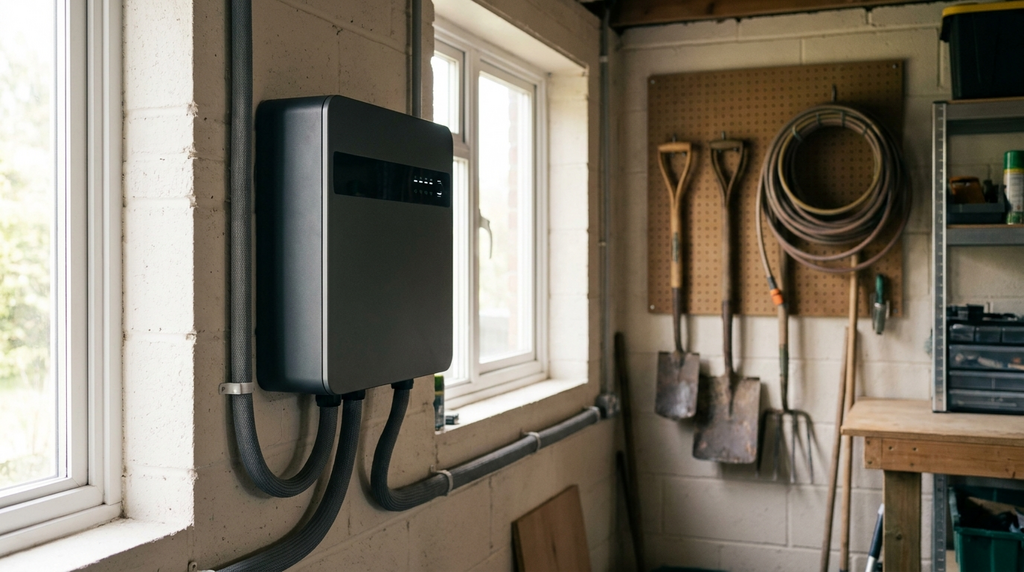
Before arranging a clean, you need to confirm that dirt is the problem. Compare your system’s real-time generation against the expected output for your location and the current weather conditions using your inverter’s monitoring app or portal. Most modern inverters provide this data automatically.
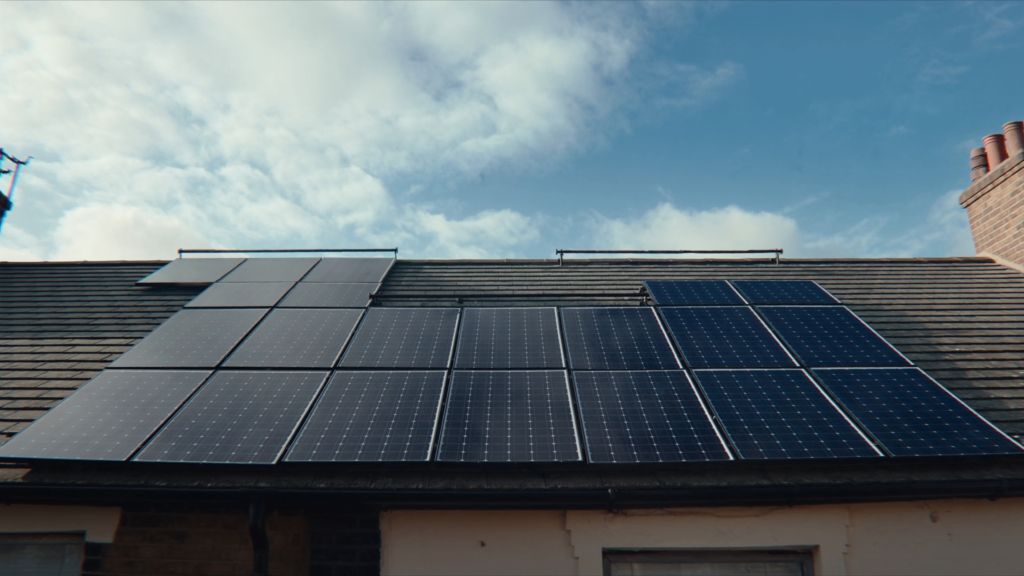
A drop of more than 5–10% in generation over several weeks of similar weather may indicate soiling. However, you should first rule out other causes: shading from new tree growth, inverter faults, or a broken panel. Check for visible, heavy soiling such as thick bird droppings, moss, or a layer of dry dust that has not been washed away by recent rain. The Energy Saving Trust advises that dirt and dust rarely cause a significant drop in performance in the UK climate (Energy Saving Trust, 2026).
Quick numbers typical cleaning costs, frequency, and performance loss
| Item | Value (2026) |
|---|---|
| Average professional cleaning cost (UK, 4 kW system) | £80–£120 |
| Typical performance loss from dirt in the UK | 2–5% |
| Recommended cleaning frequency | Only when a measurable drop in output is confirmed |
| Cost of a DIY cleaning kit (deionised water pole kit) | £50–£150 one-off purchase |
| Annual cleaning cost if hired professionally | £80–£120 per clean, rarely needed |
The typical performance loss figure comes from GOV.UK and the Department for Energy Security and Net Zero (DESNZ) Solar PV deployment data (GOV.UK, 2026). The cleaning cost range is based on average quotes from Checkatrade and MyBuilder for solar panel cleaning in 2026.
Who qualifies for free or subsidised solar panel cleaning grants in the UK
There are no specific government grants for solar panel cleaning as a standalone service. The Great British Insulation Scheme closed on 31 March 2026. It funded insulation measures only and never covered windows or glazing.
If you have a faulty panel that requires cleaning as part of a repair, the ECO4 scheme may cover the cost if the cleaning is deemed necessary by an approved installer. The rules are set by Ofgem and require the cleaning to be directly linked to restoring the system’s function (Ofgem, 2026).
How to clean solar panels safely without invalidating your warranty
Cleaning solar panels incorrectly can damage them and void your warranty. Never use abrasive sponges, detergents, or high-pressure washers, as these can scratch the glass or damage the seals. Use only deionised water.
Cleaning must be done from ground level using a telescopic pole with a soft brush and deionised water. Never walk on the panels or the roof. Check your panel warranty terms. Most manufacturers, such as SunPower, LG, and Trina, specify that damage from improper cleaning is not covered. The Microgeneration Certification Scheme (MCS) publishes a best practice guide for solar PV maintenance (MCS, 2026).
The direct answer does solar panel cleaning improve performance in the UK?
Yes, but only when significant soiling is present. For a typical UK home with panels tilted at 30–40 degrees, rain removes most dirt, and performance loss is usually under 5%. In areas with heavy bird activity, agricultural dust, or low panel tilt (below 15 degrees), soiling can cause a 10–20% drop, and cleaning will restore that lost generation.
The Energy Saving Trust states that cleaning is rarely cost-effective unless you have a measurable drop in output (Energy Saving Trust, 2026). If your generation is already close to expected levels, paying £80–£120 for a clean will not pay back in energy savings.
How to read your solar inverter monitoring data
How to verify a solar panel cleaning installer in the UK
There is no mandatory certification scheme specifically for solar panel cleaning. However, a reputable cleaner should hold public liability insurance and be able to provide references. For cleaning that is part of a repair or warranty claim, the installer must be MCS-certified and registered with TrustMark (TrustMark, 2026).
If the cleaner uses water-fed poles and claims to use deionised water, ask to see a TDS (total dissolved solids) meter reading confirming the water is below 10 ppm. This ensures no mineral deposits are left on the glass. You can check the MCS register for certified installers in your area (MCS, 2026).
How often should you schedule a professional solar panel inspection
An annual visual inspection (not necessarily cleaning) is recommended to check for cracks, delamination, loose wiring, and rodent damage. This inspection can often be done from ground level with binoculars or by a professional using a drone.
If you live in an area with high pollution, near a busy road, or under trees that drop sap or leaves, you may need a professional clean every 2–3 years. The MCS guidance for solar PV maintenance recommends this frequency for homes in those conditions (MCS, 2026).
Solar panel warranty terms and what they cover
Frequently Asked Questions
No, most UK solar panels do not need regular cleaning. Rain washes away dust and pollen naturally. The Energy Saving Trust advises cleaning only if a measurable drop in generation is confirmed.
Professional solar panel cleaning costs £80–£120 for a typical 4 kW system in 2026. Prices vary by location, panel count, and accessibility. Get at least three quotes to compare.
Only when a sustained drop in output is confirmed, typically every 2–5 years in the UK. Annual cleaning is unnecessary for most homes. Ofgem does not require cleaning for standard installations.
Yes, you can clean solar panels yourself using a telescopic pole, soft brush, and deionised water. Avoid abrasive tools and high-pressure washers. DIY cleaning costs £20–£50 for equipment.
Yes, but typically only by 2–5% in the UK climate. Heavy soiling like bird droppings or moss can cause larger losses. The Energy Saving Trust says dirt rarely causes a significant drop.
Compare your system's real-time generation against expected output using your inverter's monitoring app. A drop of more than 5–10% over several weeks of similar weather may indicate soiling. Rule out shading or faults first.