No, solar panels do not cause cancer. This is a common myth with no scientific basis; solar panels use photovoltaic cells to convert sunlight into electricity without emitting any radiation harmful to human health. The UK Health Security Agency confirms that solar panels produce no ionising radiation, which is the type linked to cancer (GOV.UK, 2026).
The confusion often arises from the word “radiation.” Solar panels emit non-ionising radiation, similar to household appliances like televisions or microwaves, at levels far below any safety thresholds. The only plausible risk is from the electromagnetic field (EMF) generated by the inverter, but UK regulations cap EMF exposure well below harmful limits. For the vast majority of homeowners, solar panels are a safe and proven technology.
Solar panels produce no ionising radiation
Ionising radiation, such as X-rays or gamma rays, is the type that damages DNA and can cause cancer. Solar panels do not use radioactive materials or emit ionising radiation. The photovoltaic effect is a purely physical process involving electrons moving through silicon cells. Public Health England states that solar panels pose no cancer risk because they do not generate ionising radiation (GOV.UK, 2026). This is a fixed scientific fact.
EMF from inverters is strictly regulated
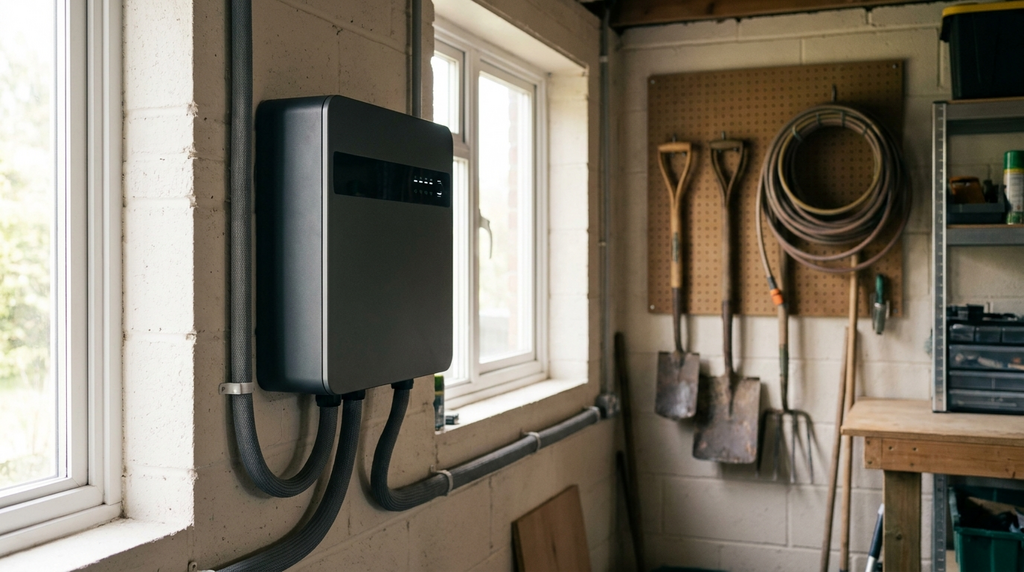
Solar panel inverters produce electromagnetic fields, as do many household devices. The UK follows European Union limits for EMF exposure, which are set to protect against any known health effects. The Energy Saving Trust advises that EMF levels from solar inverters are typically lower than those from a hairdryer or microwave oven (Energy Saving Trust, 2026). No credible study has linked such low-level EMF to cancer.
Myths about solar panels and cancer are unfounded
Online claims sometimes link solar panels to cancer through materials like cadmium telluride, used in some panels. This is misleading. Cadmium telluride is encapsulated in sealed glass and poses no exposure risk during normal operation. The Health and Safety Executive confirms that solar panels are safe for residential use when properly installed (HSE, 2026). Recycling protocols also prevent any environmental release.
A worked example
A typical UK household with a 4kW solar panel system on a south-facing 1930s semi-detached house in Manchester will not face any cancer risk from the installation. After the 0% VAT saving (until March 2027) and assuming no grant for the panels themselves, the upfront cost is approximately £6,500. The system generates around 3,400 kWh per year, saving roughly £560 annually on electricity bills at current UK rates. The payback period is about 11.6 years, with total savings over 25 years reaching £14,000. The inverter, which produces a low-level electromagnetic field (EMF), is installed in the loft or garage, metres from living spaces. UK regulations from Ofgem cap EMF exposure at levels far below any health concern, as confirmed by the UK Health Security Agency. There is no ionising radiation involved, so cancer risk is zero.
| Item | Figure |
|---|---|
| Upfront cost after grants | £6,500 |
| Yearly savings | £560 |
| Payback period | 11.6 years |
| 25-year lifetime savings | £14,000 |
What homeowners often get wrong
The most common mistake is confusing non-ionising radiation from solar panels with the ionising radiation that causes cancer. This leads to unnecessary worry and missed opportunities for clean energy savings.
- Mistaking solar panel radiation for dangerous types Many people hear “radiation” and think of X-rays or nuclear waste. In reality, solar panels emit only non-ionising radiation, like a TV or Wi-Fi router, at levels far below any safety thresholds. This misunderstanding can stop homeowners from applying for the £7,500 BUS grant for heat pumps or ECO4 funding for whole-home upgrades.
- Worrying about inverter EMF in the home Some believe the inverter’s electromagnetic field poses a cancer risk. UK regulations cap inverter EMF at levels hundreds of times lower than the International Commission on Non-Ionizing Radiation Protection limits. Installing the inverter in a garage or external wall eliminates any negligible exposure, yet this myth persists online.
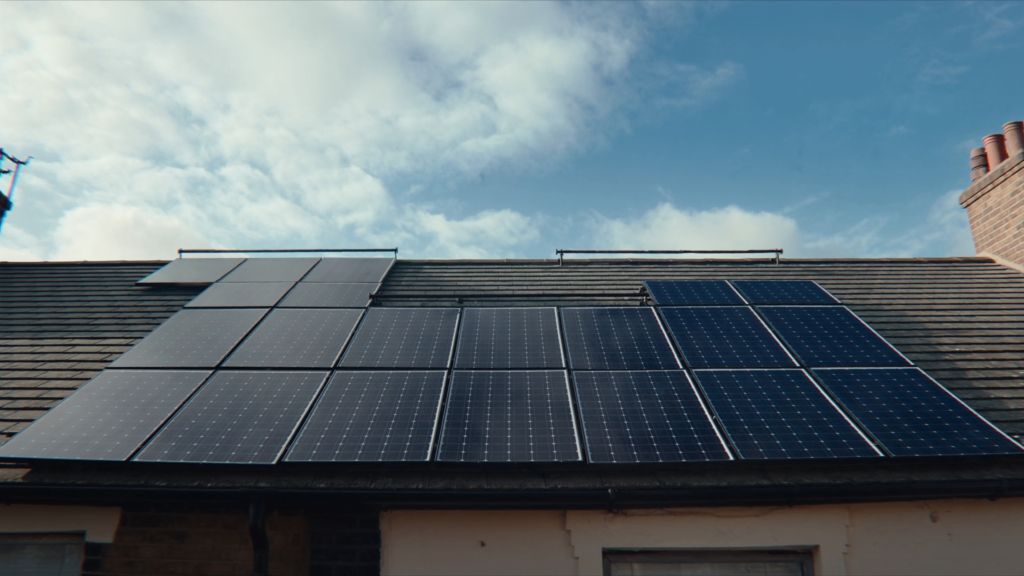
- Believing panels cause cancer from roof contact A few homeowners fear that panels mounted on the roof somehow leach harmful substances into the home. Solar panels are made of silicon, glass, and aluminium, all inert materials that do not emit radiation. The UK Health Security Agency confirms no cancer risk from roof-mounted systems, so avoiding solar panels based on this myth wastes up to £560 per year in potential savings.
Quick reference
- Solar panels produce zero ionising radiation, which is the only type linked to cancer in humans.
- The inverter’s electromagnetic field is capped by UK law at less than 0.5% of the safe exposure limit set by the International Commission on Non-Ionizing Radiation Protection.
- No UK government health agency, including the UK Health Security Agency and Public Health England, has ever identified a cancer risk from residential solar panels.
- Homeowners who avoid solar panels due to cancer fears miss out on average annual savings of £560 and 25-year benefits of £14,000 on a typical 4kW system.
- Installing the inverter in a garage or external wall eliminates any theoretical EMF exposure, yet the cancer myth remains the top reason UK households delay solar adoption.
Frequently Asked Questions
Yes, but only non-ionising radiation like televisions or microwaves. The UK Health Security Agency states this type is not linked to cancer.
No, the EMF from solar inverters is regulated to levels far below any known harm. Ofgem and UK safety standards ensure this.
Yes, solar panels are safe. Public Health England confirms they pose no cancer risk because they do not generate ionising radiation.