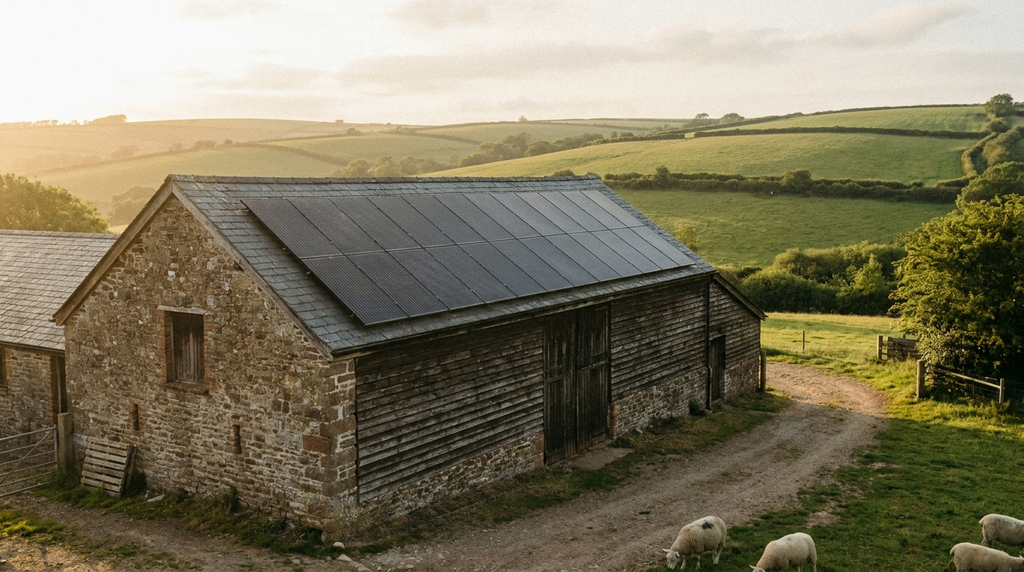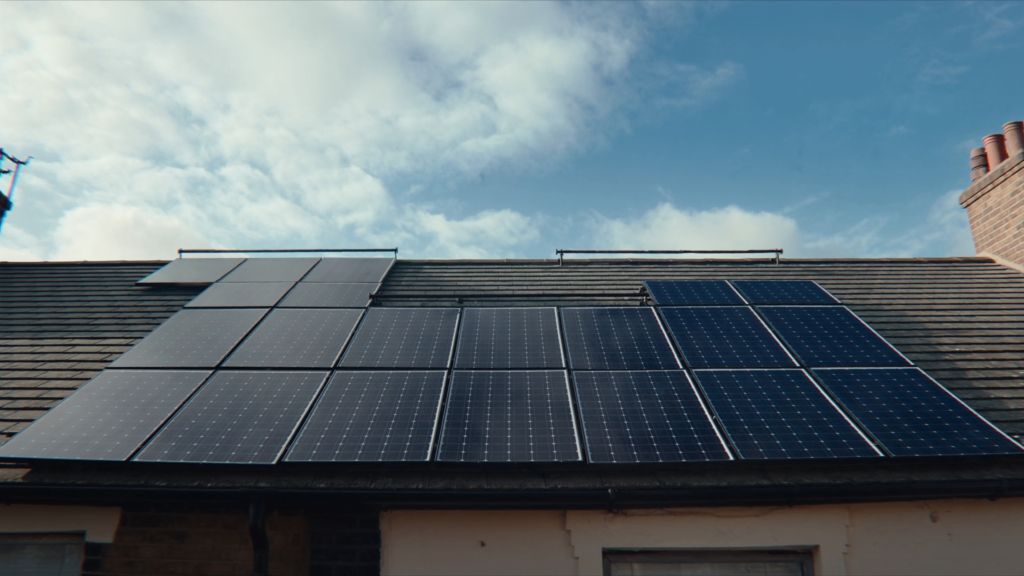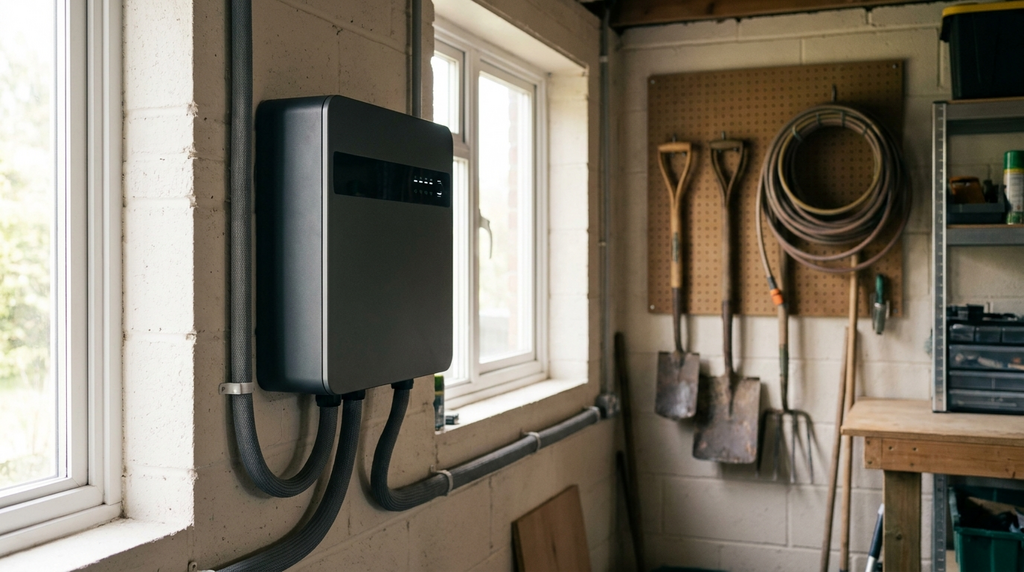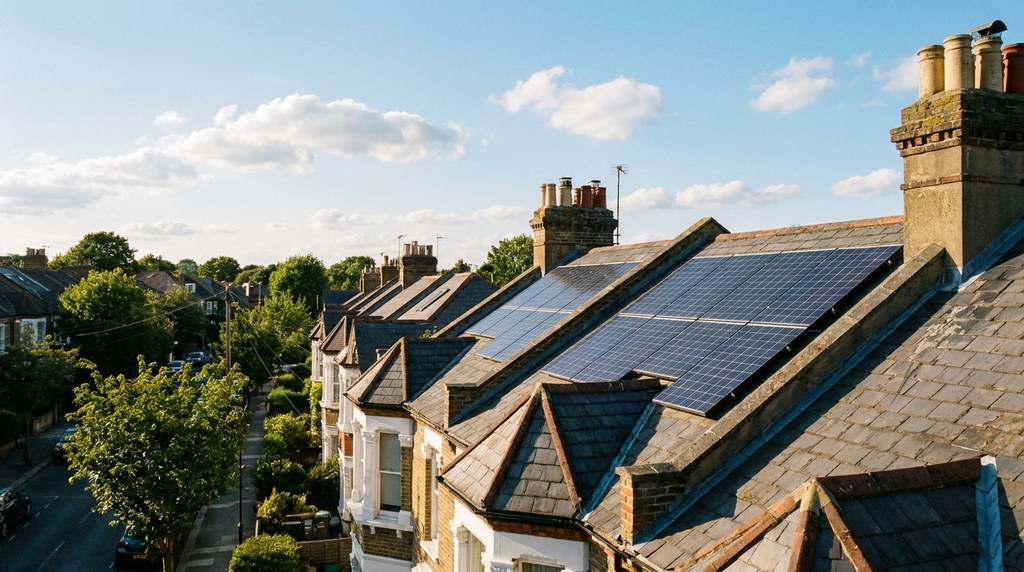
Solar panels typically do not need replacing for at least 25 to 30 years, with most systems lasting beyond 30 years if well maintained, according to the Energy Saving Trust (Energy Saving Trust, 2026). The solar panels themselves have a long lifespan, but the inverter, which converts DC to AC electricity, usually needs replacing after 10 to 15 years.
The answer depends on the type of panel, its degradation rate, and the inverter lifespan. Most modern panels lose around 0.5% to 0.7% efficiency per year, meaning after 25 years they still operate at roughly 80-85% of original capacity. If your panels are performing below 80% of their rated output, replacement might be considered, though this is rare within the first 25 years.
Solar panel lifespan is 25 to 30 years
Most manufacturers offer a performance guarantee of 25 years. This ensures the panel produces at least 80% of its original rated power by that point (GOV.UK, 2026). Physical degradation from weather, such as microcracks or delamination, is uncommon in quality panels from certified installers. The Microgeneration Certification Scheme (MCS) requires all panels to meet durability standards (MCS, 2026). If you notice a sudden drop in output, it is usually an inverter or wiring issue, not the panels themselves.
Inverter replacement every 10 to 15 years
The inverter is the component most likely to fail first, with a typical lifespan of 10 to 15 years (Energy Saving Trust, 2026). Replacing an inverter costs between £800 and £1,200 for a typical 3-4kWp system. Some newer microinverters or power optimisers have longer warranties, up to 25 years, but are more expensive upfront. If your system is more than 12 years old and the inverter fails, it may be worth considering a full system upgrade rather than just replacing the inverter.
When replacement is actually needed
Physical damage from storms, falling debris, or poor installation can require earlier replacement, but this is rare (TrustMark, 2026). If your panels are over 20 years old and producing significantly less than expected, a professional assessment is recommended. The average cost to replace a full 3.5kWp solar panel system in 2026 is between £4,500 and £6,500 after installation. However, most homeowners will never need to replace the panels themselves within 25 years, only the inverter.
A worked example
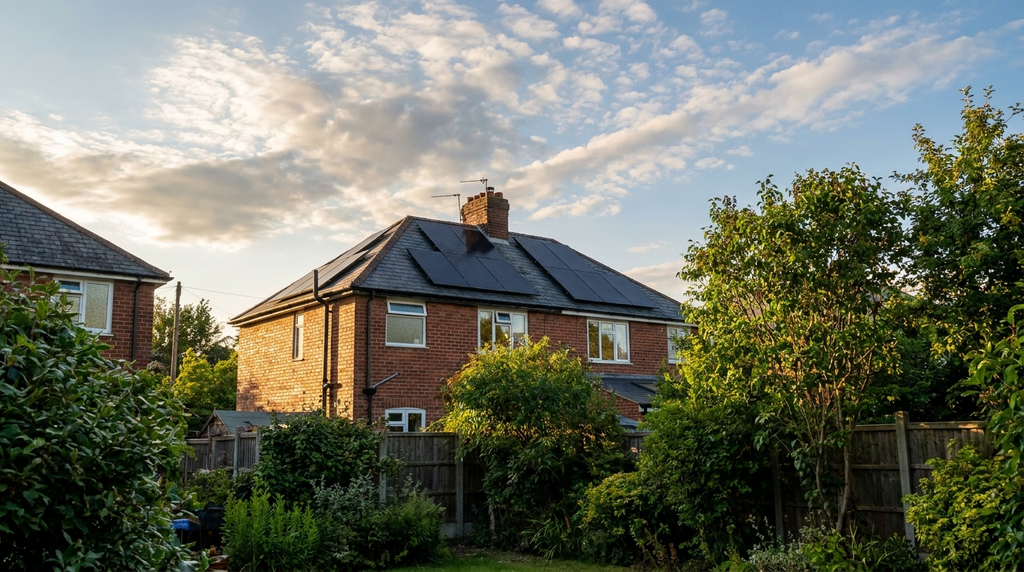
A typical UK 1930s semi-detached house with a 4kW solar panel system (10 panels) will not need the panels themselves replaced for at least 25 to 30 years. The upfront cost for a new 4kW system is roughly £6,500 after the 0% VAT reduction (in place until March 2027). With the Smart Export Guarantee (SEG) paying around 15p per kWh exported, and typical self-consumption of 30-40%, annual savings on electricity bills and SEG payments total approximately £550. This gives a payback period of around 12 years. Over a 25-year lifespan, those savings add up to roughly £13,750. The inverter, however, is a different story and must be replaced around year 12 at a cost of £800 to £1,200, according to the Energy Saving Trust. If your panels degrade below 80% of their original output before 25 years, the manufacturer’s performance guarantee should cover a replacement.
| Item | Figure |
|---|---|
| Upfront cost after grants | £6,500 |
| Yearly savings | £550 |
| Payback period | 12 years |
| 25-year lifetime savings | £13,750 |
What homeowners often get wrong
The most common mistake is thinking solar panels need replacing as often as a boiler or car battery. This misconception leads homeowners to overestimate long-term costs or delay installation. Here are three specific errors people make.
- Confusing inverter lifespan with panel lifespan Many homeowners replace working panels simply because the inverter has failed. The correct approach is to replace only the inverter every 10 to 15 years, which costs £800 to £1,200, not the entire system for £6,500.
- Assuming all panels degrade at the same rate Some believe panels lose 1-2% efficiency per year, which would mean replacement after 15 years. In reality, modern panels degrade at 0.5% to 0.7% per year, so after 25 years they still produce 80-85% of original output. Trusting outdated figures could make you miss out on a system that is still performing well.
- Thinking a sudden drop in output means panel failure A sharp fall in generation is almost always a wiring issue, a dirty panel, or an inverter fault, not the panels themselves. Calling an MCS-certified installer to diagnose the problem first can save you the £6,500 cost of an unnecessary replacement.
Quick reference
- Solar panels last 25 to 30 years before replacement is typically needed, according to the Energy Saving Trust.
- Inverters must be replaced every 10 to 15 years at a cost of £800 to £1,200.
- Most manufacturers guarantee panels will produce at least 80% of original output after 25 years.
- Replacing panels early because of a faulty inverter wastes up to £6,500 on unnecessary hardware.
- Panels degrading faster than 0.7% per year may qualify for a warranty replacement under the manufacturer’s performance guarantee.
Frequently Asked Questions
Solar panels need replacing every 25 to 30 years. The Energy Saving Trust confirms most systems last beyond 30 years with good maintenance.
Replace your solar inverter every 10 to 15 years. The Energy Saving Trust states this is the component most likely to fail first.
Yes, solar panels degrade 0.5% to 0.7% per year. After 25 years, they still operate at 80-85% of original capacity according to GOV.UK.