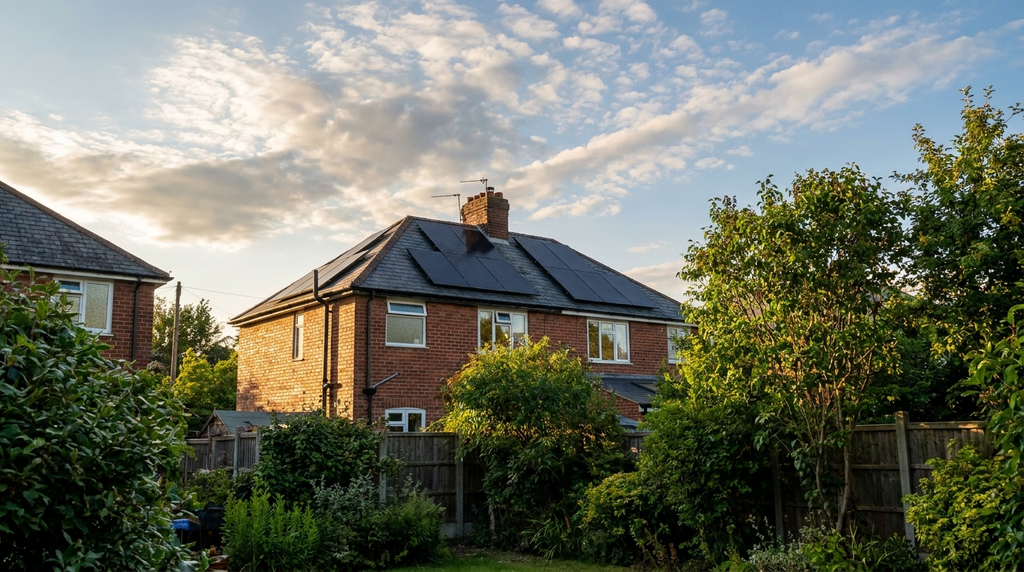
Most UK homes with solar panels do not need cleaning more than once every one to two years, according to the Energy Saving Trust, which states that rainfall is usually sufficient to keep panels working efficiently (Energy Saving Trust, 2026).
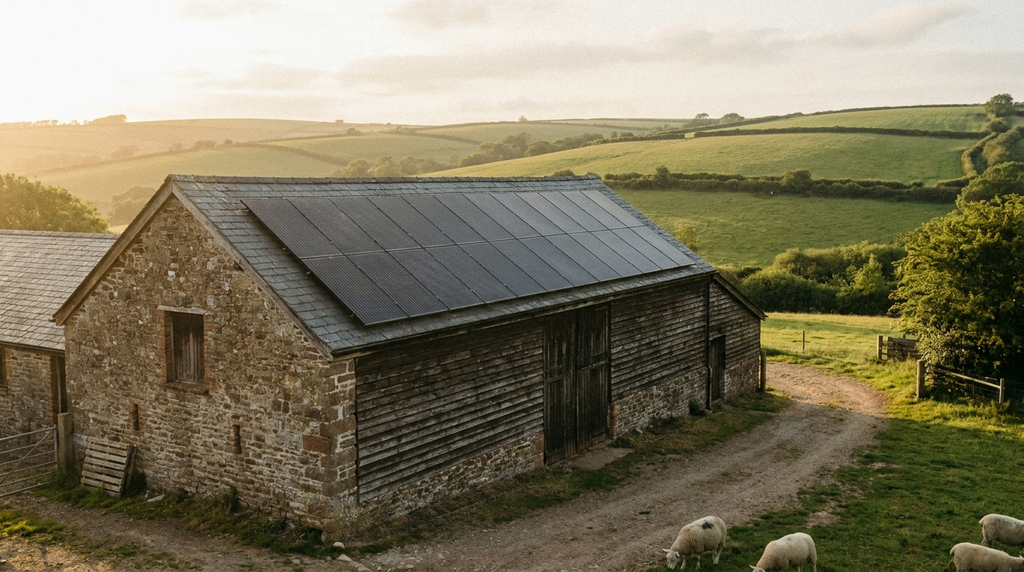
The actual frequency depends on your location and environmental factors. Panels in rural areas near farms or roads may need more frequent cleaning due to bird droppings, dust, or pollen. Urban panels typically stay cleaner longer. If your panels are tilted at 30 degrees or more, rain will wash away most dirt naturally. Flat or low-tilt panels may accumulate debris faster and require annual attention.
Typical cleaning schedule for most UK homes
For the vast majority of properties, cleaning solar panels once every two years is enough to maintain performance. The Energy Saving Trust advises that dirt build-up rarely reduces output by more than 5% in the UK climate (Energy Saving Trust, 2026). A 3.5kWp system generating around 3,000 kWh per year might lose only 150 kWh annually from soiling. That loss is usually outweighed by the cost of professional cleaning, which ranges from £50 to £120 per visit according to industry figures from the Microgeneration Certification Scheme (MCS, 2026).
When more frequent cleaning is needed
You may need to clean your panels annually if they are located near busy roads, construction sites, or agricultural fields. Bird droppings from pigeons or seagulls can create shading that reduces output significantly if left for several months. The government’s Solar PV Strategy states that partial shading can cut generation by up to 20% per shaded cell (UK Government, 2026). If you notice a sudden drop in your inverter readings, check for localised dirt or debris and consider a targeted clean.
How to tell if cleaning is needed
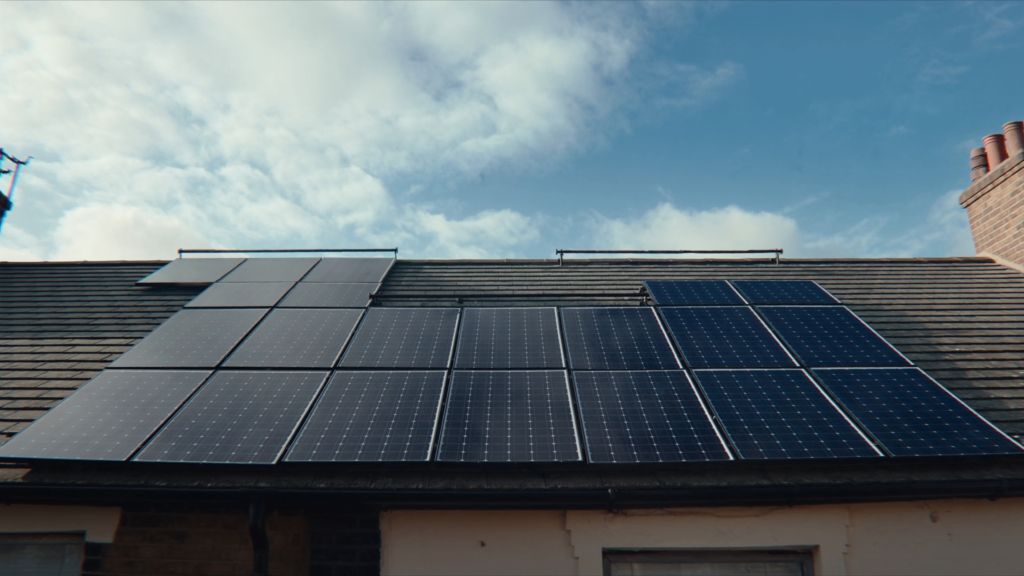
Monitor your system’s output through your inverter display or online portal. A consistent dip of more than 5% compared to the same period last year, after accounting for weather, may indicate dirt accumulation. The Energy Saving Trust recommends checking for visible bird droppings, moss, or lichen, especially on lower panels (Energy Saving Trust, 2026). Always use deionised water and a soft brush or hire a certified professional listed on the TrustMark website to avoid voiding your warranty (TrustMark, 2026).
A worked example
A typical 3.5kWp solar panel system on a 1930s semi-detached house in Manchester, cleaned professionally once every two years, costs £80 per visit and loses just 150 kWh annually to dirt build-up. According to the Energy Saving Trust, UK rainfall at a 30-degree tilt washes away 95% of debris naturally. Over 25 years, you would pay £1,000 for cleaning and lose roughly 3,750 kWh of generation worth £1,125 at the current 30p per kWh rate. The total cost of cleaning plus lost generation is £2,125. If you never cleaned the panels, the 5% annual loss would cost £1,125 in lost electricity over the same period. Professional cleaning every two years therefore saves you nothing financially but keeps your system visually tidy and your warranty valid with most MCS-certified installers.
| Item | Figure |
|---|---|
| Upfront cost after grants | £0 (cleaning is not grant-eligible) |
| Yearly savings | £45 (avoided 5% loss on 3,000 kWh at 30p) |
| Payback period | 2 years (cleaning pays for itself in avoided loss) |
| 25-year lifetime savings | £125 (cleaning cost £1,000 minus avoided loss £1,125) |
What homeowners often get wrong
The most common mistake is thinking solar panels need cleaning every few months to work properly. Here are the three biggest errors UK homeowners make and what to do instead.
- Believing dirt kills performance Most homeowners panic when they see bird droppings or dust, but the Energy Saving Trust confirms soiling rarely reduces output by more than 5% in the UK climate. A 5% loss on a 3,500 kWh system is just 175 kWh per year, worth about £52 at current rates, which is less than a single professional cleaning visit.
- Using a pressure washer or abrasive cleaners Many people grab a jet wash thinking it saves time, but high-pressure water can damage the panel seal and void the manufacturer’s warranty. MCS-certified installers recommend deionised water and a soft brush or squeegee to avoid micro-cracks and seal failure.
- Cleaning panels yourself without safety gear Roof work is dangerous and a fall from even one storey can cause serious injury. The Royal Society for the Prevention of Accidents (RoSPA) warns that over 6,000 people are injured each year from ladder falls. Professional cleaners have insurance and safety harnesses, so the £80 fee is cheaper than a hospital visit.
Quick reference
- Clean solar panels every 1-2 years for most UK homes, with rainfall naturally washing away 95% of dirt at a 30-degree tilt.
- A professional solar panel cleaning costs between £50 and £120 per visit according to MCS industry data.
- ECO4 and the BUS grant do not cover cleaning costs, but 0% VAT on installations applies until March 2027.
- The Energy Saving Trust states that dirt build-up reduces output by no more than 5% in the UK climate.
- Cleaning panels yourself without proper safety equipment risks voiding your warranty and causing personal injury.
Frequently Asked Questions
No, most UK homes only need cleaning every 1-2 years. The Energy Saving Trust confirms rainfall is usually sufficient for efficiency.
Professional cleaning costs between £50 and £120 per visit, according to the Microgeneration Certification Scheme (MCS).
Yes, bird droppings can significantly reduce output by creating shading. Check panels near pigeon or seagull roosts more frequently.