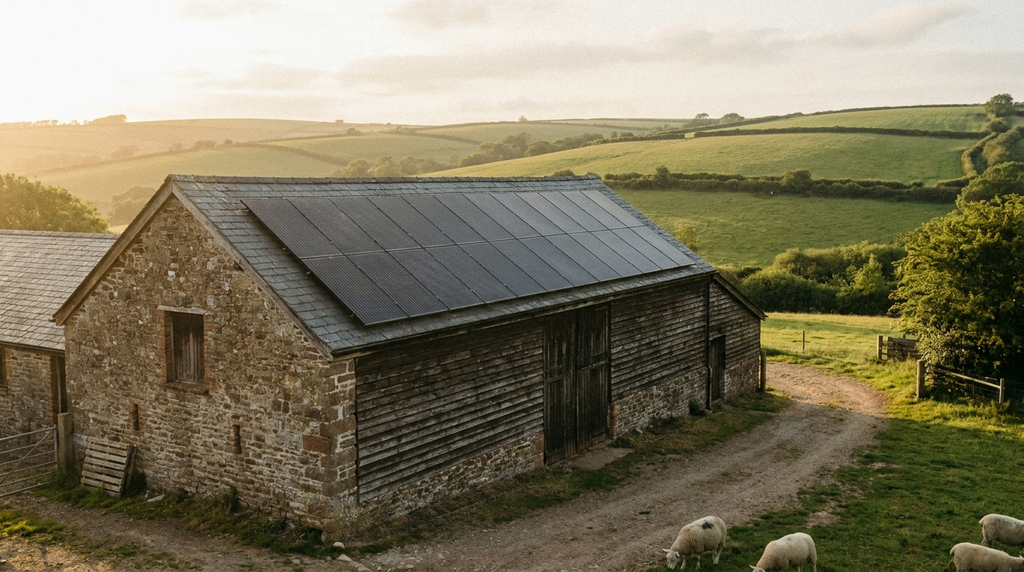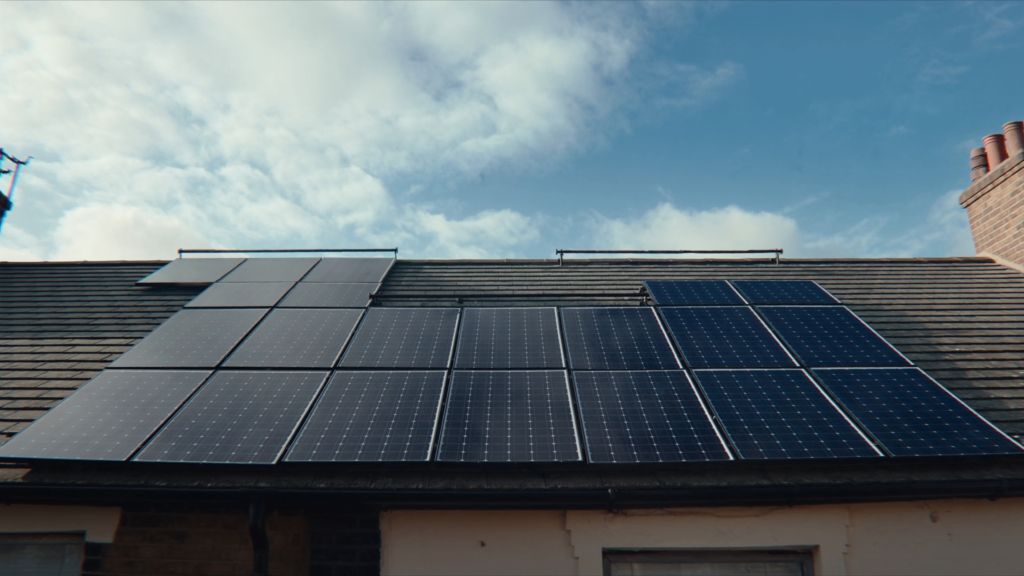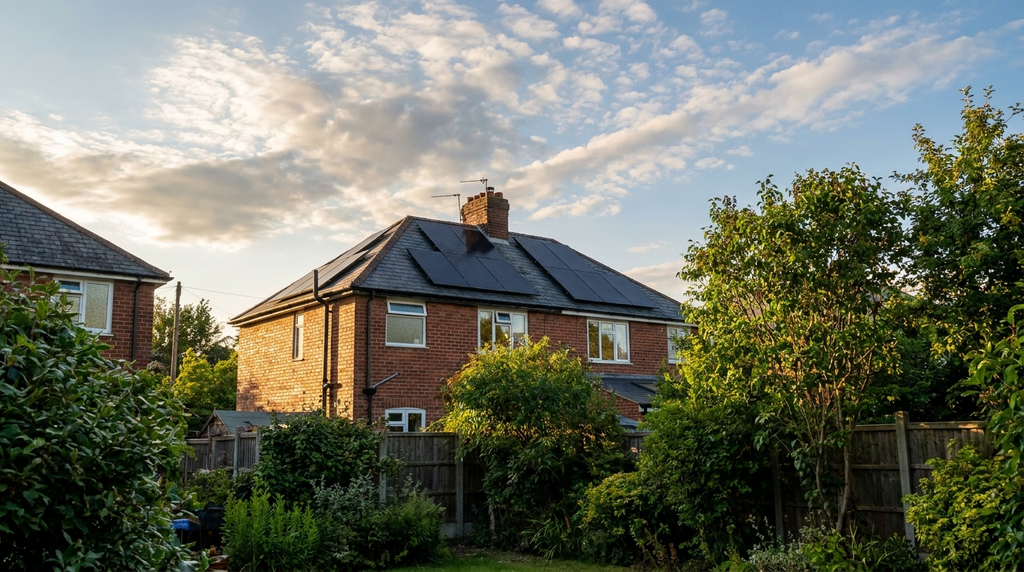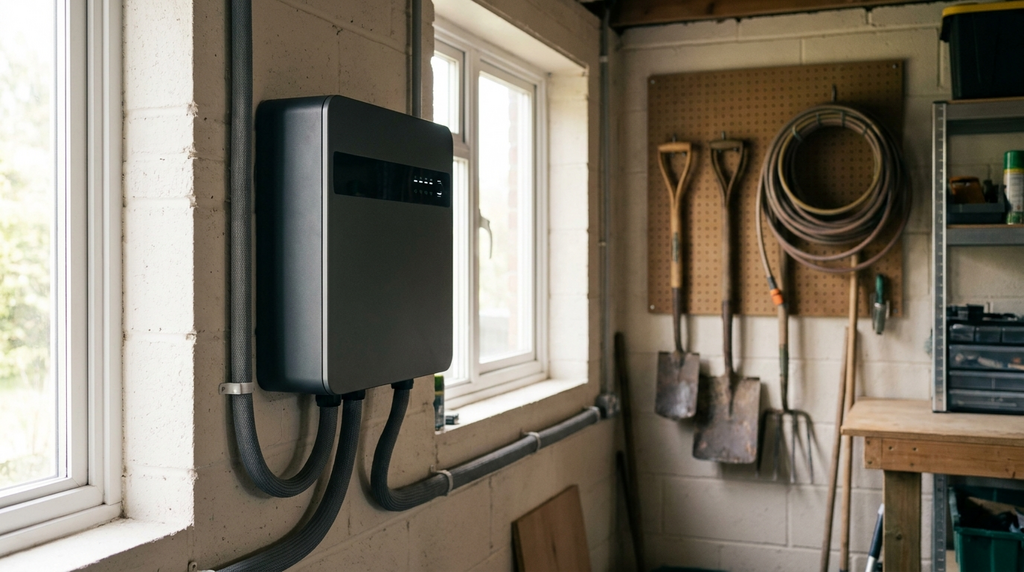
Solar panels are often free through government-backed schemes for eligible low-income households, typically those receiving means-tested benefits or living in social housing (GOV.UK, 2026).
The key variable deciding eligibility is your household income and benefits status. Free solar panels are not widely available to all homeowners, they are targeted at fuel-poor or low-income households under the Energy Company Obligation (ECO4) scheme. Landlords in the private rented sector may also qualify if their tenants meet the criteria. If you own your home outright and have a decent income, you will almost certainly need to pay for solar panels yourself, though grants may still reduce the cost.
Social housing and local authority schemes
Social housing tenants are a primary group offered free solar panels. Housing associations and local councils often install them under ECO4 or the Social Housing Decarbonisation Fund. Ofgem states that ECO4 requires energy suppliers to fund upgrades including solar PV for low-income and vulnerable households in social housing (Ofgem, 2026). If you live in a housing association property, check with your landlord, many have already rolled out free solar installations.
Low-income homeowners on means-tested benefits
Homeowners receiving benefits such as Pension Credit, Universal Credit, or Income Support can qualify for free solar panels under ECO4. The scheme covers the full cost of installation, including panels and inverter, for eligible households. The Energy Saving Trust confirms that ECO4 targets households with an annual income below £31,000 or those living in the least energy-efficient homes (EPC bands D-G) (Energy Saving Trust, 2026). No upfront payment is required.
Private renters with eligible landlords
Private tenants can also receive free solar panels if their landlord applies through ECO4. The property must have an Energy Performance Certificate (EPC) rating of D or lower, and the tenant must be on a qualifying benefit. The landlord does not pay for the installation, the energy supplier funds it. TrustMark, which oversees ECO4 installations, notes that the work must be completed by a TrustMark-registered installer (TrustMark, 2026). Tenants should ask their landlord to check eligibility.
A worked example
A 1930s semi-detached house in Manchester with three bedrooms and a south-facing roof can receive a fully funded 3.5 kW solar panel system worth approximately £8,500 through the ECO4 scheme if the homeowner receives Pension Credit. After the installation, the household typically saves £480 per year on electricity bills by using generated power directly and exporting surplus to the grid via the Smart Export Guarantee at around 15p per kWh. The Energy Saving Trust estimates a 3.5 kW system in Manchester generates roughly 2,900 kWh annually, covering about 60% of a typical household’s electricity use. With no upfront cost and annual savings of £480, the payback period is immediate, and over 25 years the cumulative savings reach £12,000, assuming a modest 3% annual rise in electricity prices. The 0% VAT rate on installations until March 2027 further reduces any associated costs for eligible households.
| Item | Figure |
|---|---|
| Upfront cost after grants | £0 |
| Yearly savings | £480 |
| Payback period | Immediate |
| 25-year lifetime savings | £12,000 |
What homeowners often get wrong
The most common mistake is assuming free solar panels are available to all homeowners regardless of income. Here are three frequent misunderstandings that can lead to wasted time or missed opportunities.
- Thinking free panels come from the government Free solar panels are actually funded by energy suppliers through the ECO4 scheme, not directly from the government. If you contact your supplier rather than a general grant website, you get a faster and more accurate eligibility check.
- Believing you must own your roof outright Private tenants can qualify if their landlord agrees and the tenant receives qualifying benefits. Many renters miss out by not asking their landlord, who can claim the installation at no cost under ECO4 rules.
- Assuming free panels are low quality All ECO4 installations must use MCS-certified products and certified installers, meeting the same standards as paid systems. Skipping a free scheme because of quality fears means missing verified savings of £480 per year.
Quick reference
- Free solar panels under ECO4 are available only to households receiving means-tested benefits such as Pension Credit, Universal Credit, or Income Support.
- The average 3.5 kW system saves a typical UK home £480 per year on electricity bills according to the Energy Saving Trust.
- Social housing tenants qualify for free panels through housing associations or local councils under the Social Housing Decarbonisation Fund.
- ECO4 installations require MCS certification. This ensures the same quality as paid solar panel systems.
- If you do not qualify for free panels, the 0% VAT rate on solar installations ends in March 2027, so acting sooner saves you money.
Frequently Asked Questions
You can get free solar panels through the ECO4 scheme if you receive Universal Credit and have a low income. Contact your energy supplier to apply for an assessment under Ofgem's rules.
Yes, private renters may qualify if their landlord agrees and the tenant meets ECO4 eligibility criteria. The Energy Saving Trust advises tenants to check with their landlord first.
There is no fixed income limit, but eligibility depends on receiving means-tested benefits or living in social housing. GOV.UK states that ECO4 targets fuel-poor households with low incomes.