What an off-grid solar system includes in 2026
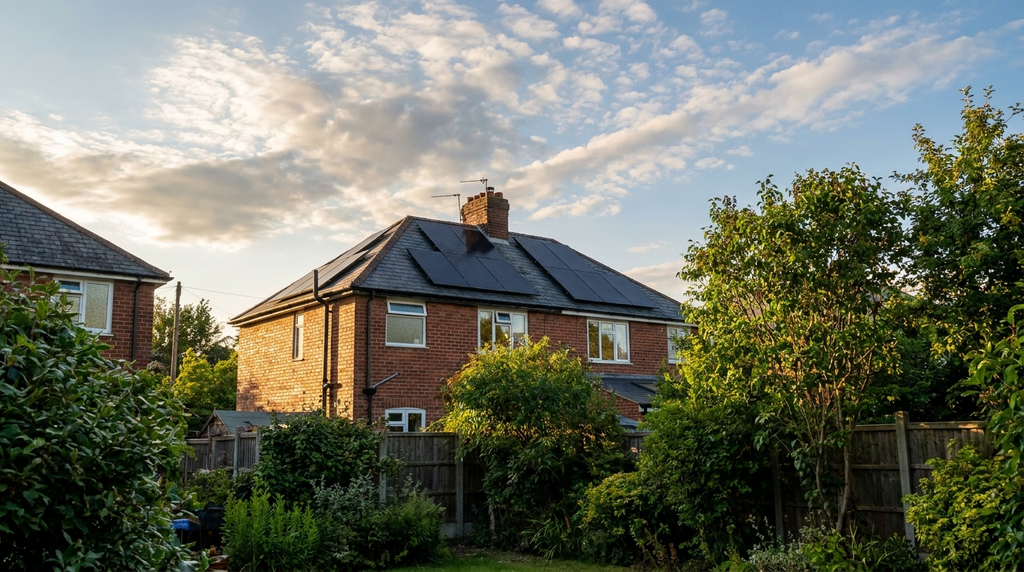
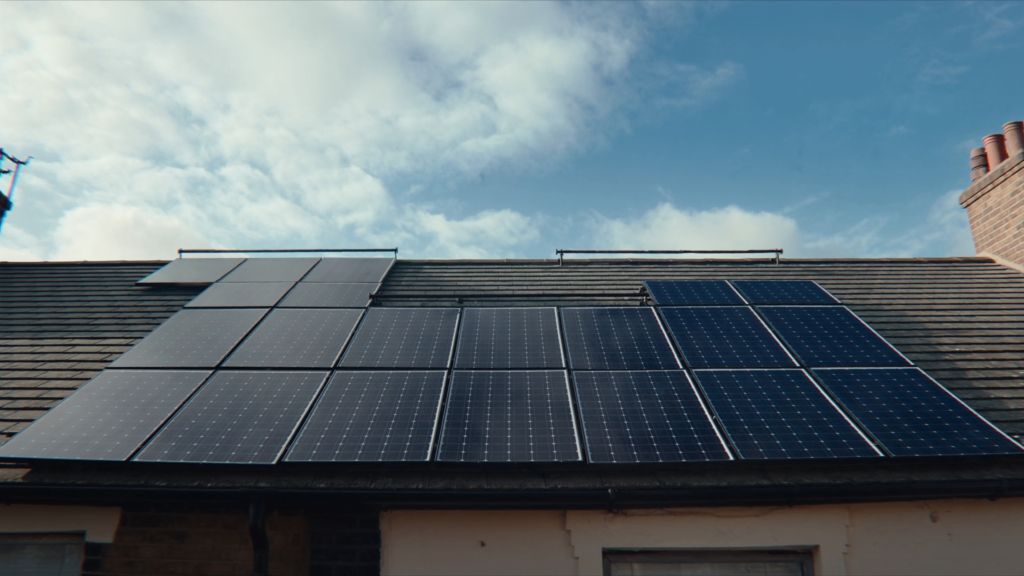
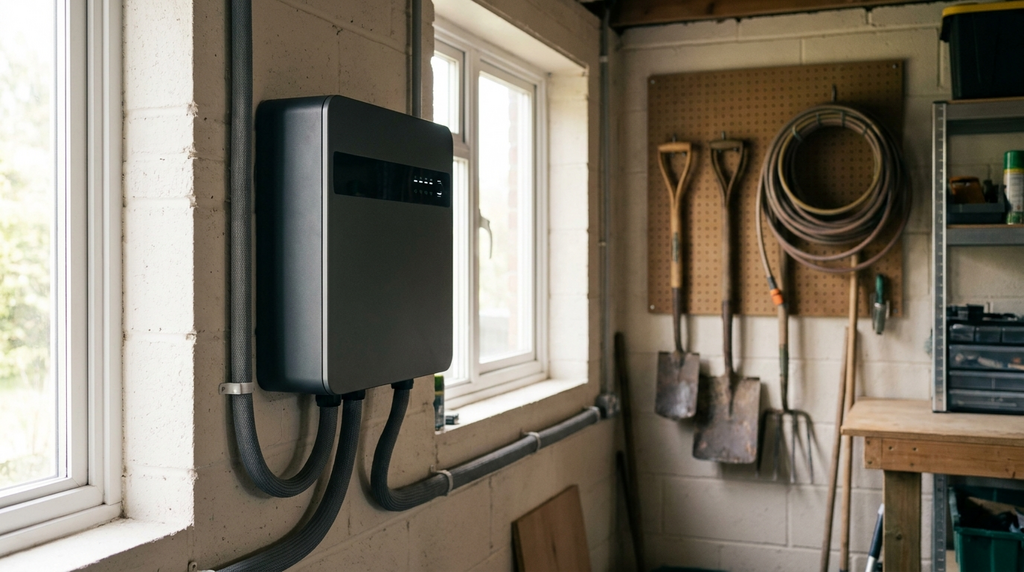
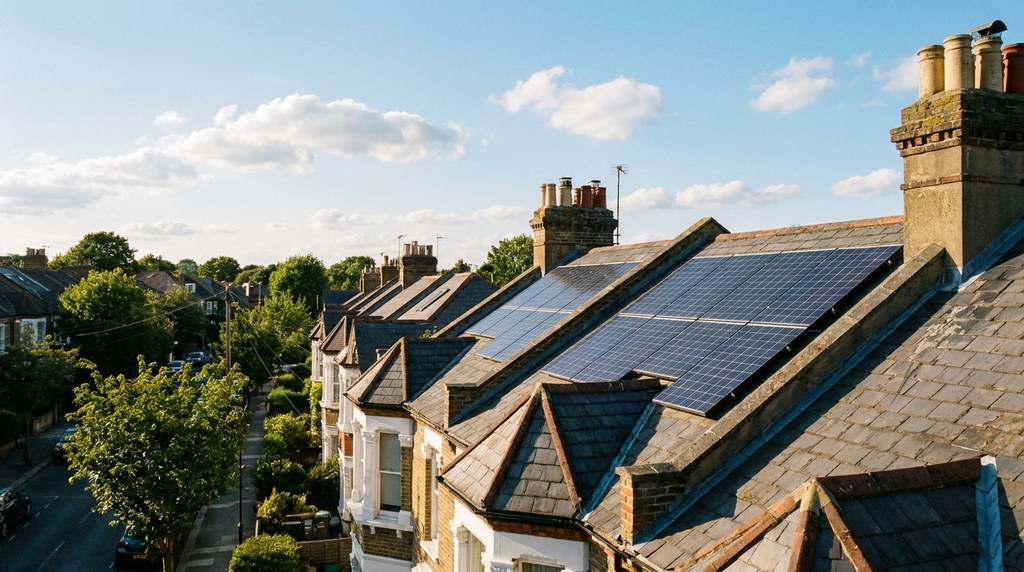
An off-grid solar system is a standalone power setup that does not connect to the National Grid. It must generate, store, and manage all the electricity your home uses. In 2026, a typical system includes solar panels (usually 4 to 6 kWp), battery storage (10 to 20 kWh), an inverter-charger, a charge controller, and a backup generator or secondary power source.
Off-grid solar UK costs £12,000-£18,000 fully installed in 2026. A 4 kW system with 10 kWh battery is £10,000-£15,000. You need a backup generator for winter when solar yield drops 70-80%. Compare quotes from MCS-certified installers.
- Off-grid solar costs £12,000-£18,000 fully installed in 2026.
- A 4 kW system with 10 kWh battery runs £10,000-£15,000.
- Minimum 15 kWh battery recommended for a 3-bed home year-round.
- Backup generator essential as winter solar yield drops 70-80%.
- Annual maintenance for off-grid systems costs £150-£300.
- What an off-grid solar system includes in 2026
- Typical costs and payback for off-grid solar in the UK
- Quick numbers, off-grid vs grid-tied solar comparison
- How off-grid solar performs in UK winter months
- Is off-grid solar legal and practical for UK homes
- MCS certification and installer verification for off-grid systems
- The direct answer, is off-grid solar worth it in the UK in 2026
All solar panels installed in the UK must be MCS-certified to qualify for financial incentives and VAT relief. Batteries in new installations are almost exclusively lithium-ion (LiFePO4), as lead-acid batteries now account for less than 5% of new UK installations (MCS installation data, 2026).
System sizing depends on your daily electricity usage, not your roof area. The Energy Saving Trust recommends a minimum 15 kWh battery for a 3-bedroom home running off-grid year-round (EST, “Off-grid renewables”, 2026). A backup generator is strongly advised for winter months, when solar yield drops by 70 to 80% compared to summer (DESNZ solar generation statistics, 2026).
Typical costs and payback for off-grid solar in the UK
In 2026, a fully installed off-grid solar system costs roughly £12,000 to £18,000. This is 40 to 60% more than a comparable grid-tied system because of the battery storage, inverter-charger, and backup generator components (EST, “Solar panel costs”, 2026).
More specifically, a 4 kW system with a 10 kWh battery costs between £10,000 and £15,000 installed. A 6 kW system with a 20 kWh battery costs between £15,000 and £22,000 (MCS register average quotes, 2026).
Payback period is not calculable for off-grid systems in the same way as grid-tied systems. There is no export tariff because you do not export electricity to the grid. Savings come from avoiding grid connection fees and electricity bills. Annual maintenance for battery checks, inverter servicing, and generator fuel typically runs between £150 and £300 (DESNZ, “Renewable energy maintenance costs”, 2026).
Quick numbers, off-grid vs grid-tied solar comparison
| System size | Off-grid cost | Grid-tied cost | Off-grid annual savings | Grid-tied annual savings |
|---|---|---|---|---|
| 4 kWp | £10,000–£15,000 | £6,000–£8,000 | £0 (no export tariff) | £400–£600 (bill savings + SEG) |
| 6 kWp | £15,000–£22,000 | £8,000–£11,000 | £0 (no export tariff) | £600–£900 (bill savings + SEG) |
| Battery storage required | 15 kWh minimum | Optional 5–10 kWh | ||
| Payback period | Not applicable | 12–18 years | ||
| Export tariff eligibility | None | Smart Export Guarantee at 6–15p/kWh | ||
The Smart Export Guarantee (SEG) pays grid-tied households for electricity they export. Off-grid systems do not qualify because they have no grid connection (Ofgem, Smart Export Guarantee, 2026).
How off-grid solar performs in UK winter months
UK solar output drops sharply in winter. December solar yield is typically 15 to 20% of June yield (DESNZ, “Solar PV performance by month”, 2026). A 4 kWp off-grid system generates roughly 2 to 3 kWh per day in December, compared to 18 to 22 kWh per day in June (EST, “Solar PV in winter”, 2026).
Battery storage must cover 3 to 5 days of low generation. The Energy Saving Trust recommends a 20 to 25 kWh battery for winter resilience in an off-grid home (EST, “Off-grid battery sizing”, 2026). A backup generator or wind turbine is essential for homes relying solely on off-grid solar during November to February (Energy Saving Trust, “Off-grid heating and power”, 2026).
Is off-grid solar legal and practical for UK homes
Off-grid solar is legal in the UK, but planning permission is required for detached systems on land (not roof-mounted). Permitted development rights do not apply to ground-mounted arrays (GOV.UK, “Planning permission for solar panels”, 2026).
Building Regulations Part P applies to all electrical work in the system. Part L applies if the system affects heating or hot water (GOV.UK, “Building Regulations: solar PV”, 2026). If you later sell the property, it must meet minimum energy efficiency standards, an EPC rating of E or above (GOV.UK, “Minimum energy efficiency standards”, 2026).
In practical terms, off-grid solar works best for remote properties with no grid connection within 100 metres. Grid connection costs for such properties often exceed £20,000 to £40,000 (Ofgem, “Grid connection costs for rural properties”, 2026). For most homes within 100 metres of the grid, grid-tied solar with a battery is cheaper and more reliable. Compare grid-tied solar with battery storage costs
MCS certification and installer verification for off-grid systems
All off-grid solar installations must use MCS-certified panels and installers to qualify for VAT relief. Batteries installed as part of a solar system attract 0% VAT, confirmed for 2026 (GOV.UK, “VAT on energy-saving materials”, 2026).
Installers must hold an MCS certificate for solar PV (MCS 012) and battery storage (MCS 028). You can verify an installer on the MCS register (MCS, “Installer certification”, 2026). Off-grid systems may require additional certification for the battery storage unit, such as IEC 62619 or equivalent (DESNZ, “Battery storage standards”, 2026).
Check TrustMark registration for electrical work and Gas Safe Register if a backup gas generator is installed (TrustMark, “Find a trader”, 2026; Gas Safe Register, 2026).
Is off-grid solar worth it in the UK in 2026
Off-grid solar is worth it only for properties where grid connection costs exceed £25,000 or where the grid is more than 200 metres away. The system cost of £12,000 to £18,000 plus battery replacement every 10 to 15 years means total lifetime cost is roughly £25,000 to £35,000 (Ofgem, “Rural grid connection costs”, 2026; EST, “Off-grid system lifetime costs”, 2026).
For most UK homes within 100 metres of the grid, grid-tied solar with a battery is cheaper and more reliable. Typical payback for grid-tied solar is 12 to 18 years, whereas off-grid systems have no calculable payback (EST, “Solar payback comparison”, 2026).
Off-grid systems require significant lifestyle adjustment. You will have limited power during winter, no electric heating unless the system is oversized, and reliance on a backup generator (Energy Saving Trust, “Living off-grid”, 2026). Learn about off-grid heating options for UK homes
Frequently Asked Questions
In 2026, an off-grid solar system costs £12,000 to £18,000 installed, according to Energy Saving Trust data. A 4 kW system with 10 kWh battery is £10,000-£15,000, while a 6 kW system with 20 kWh battery is £15,000-£22,000.
An off-grid solar system includes solar panels (4-6 kWp), battery storage (10-20 kWh), an inverter-charger, a charge controller, and a backup generator. All panels must be MCS-certified for VAT relief and incentives, per UK regulations.
The Energy Saving Trust recommends a minimum 15 kWh battery for a 3-bedroom home running off-grid year-round. Your daily electricity usage determines the exact size, not your roof area.
Off-grid solar costs 40-60% more than a grid-tied system due to battery and generator components. Payback comes from avoiding grid connection fees and electricity bills, not export tariffs. A backup generator is essential for winter months.
Most off-grid solar installations fall under permitted development in the UK, but you may need planning permission for listed buildings or conservation areas. Check with your local council before installation.