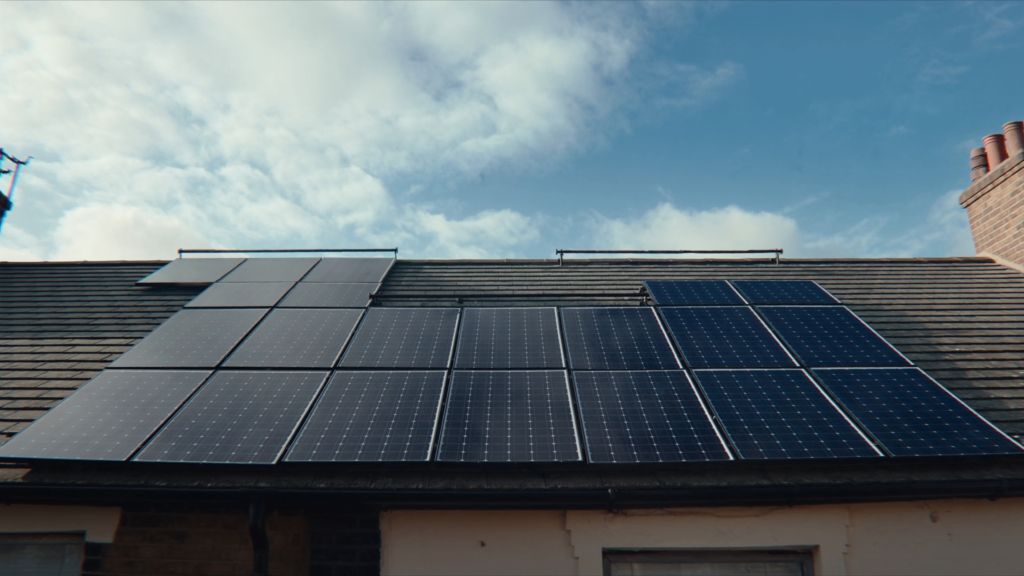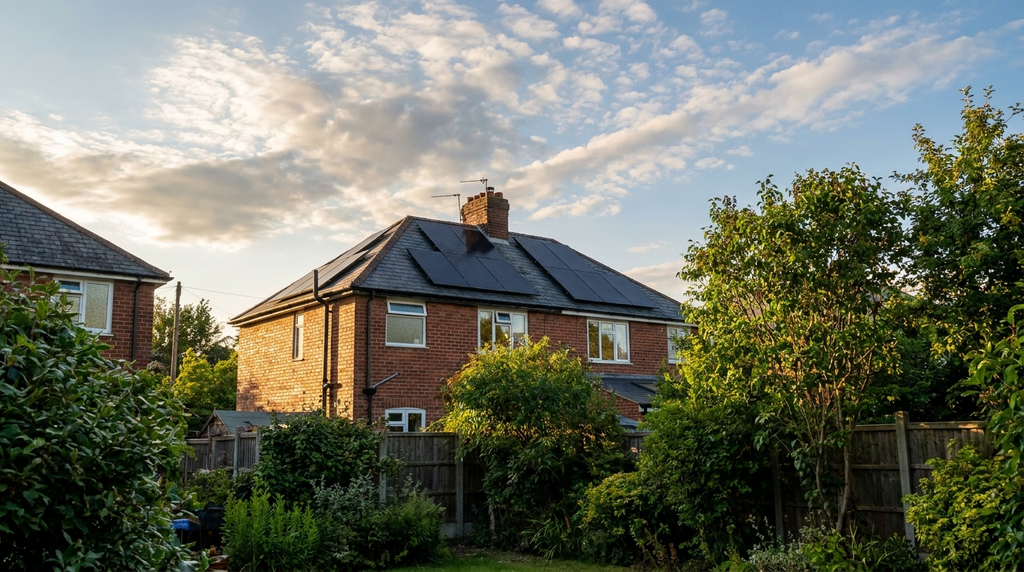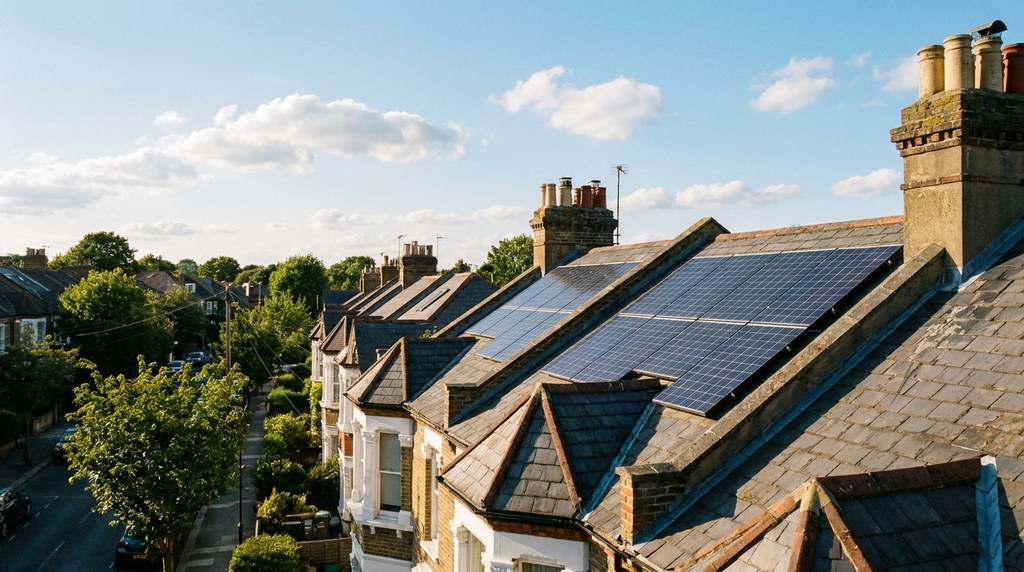
Solar panels typically work effectively for 25 to 30 years before their output degrades significantly, with most manufacturers guaranteeing at least 80% of original capacity after 25 years (Energy Saving Trust, 2026). This means a 3.5kWp system installed today will still generate around 2,800 kWh per year in 2051, enough to power a typical three-bedroom home.
The lifespan depends largely on the type of panel, installation quality, and local weather conditions. Monocrystalline panels, the most common in UK homes, tend to last longer than polycrystalline or thin-film alternatives. Panels degrade at roughly 0.5% to 0.8% per year, so after 25 years a panel rated at 300W may only produce 240W to 255W. However, this gradual decline still leaves the system functional for decades beyond the warranty period, often up to 40 years in practice.
Panel degradation rates determine usable life
Degradation is the key factor limiting how long solar panels work. The rate is measured by the panel’s power output decline each year. Most Tier 1 monocrystalline panels degrade at around 0.5% annually, meaning after 25 years they retain roughly 88% of original capacity (BRE, 2026). Cheaper panels may degrade at 0.8% per year, dropping to 80% after 25 years. The UK’s relatively mild climate helps slow degradation compared to hotter countries, as high temperatures accelerate cell wear.
Inverters fail before panels do
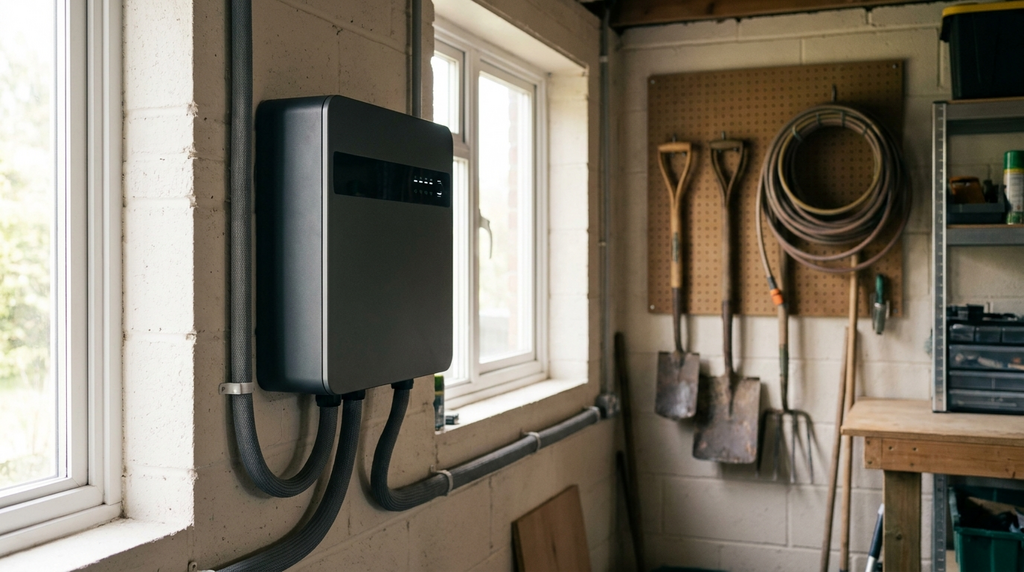
While panels last 25-30 years, the inverter is the weakest link. A typical string inverter has a lifespan of 10 to 15 years, after which it needs replacement at a cost of £800 to £1,200 for a 3.5kWp system (Energy Saving Trust, 2026). Microinverters, fitted to each panel, last longer at 20-25 years but cost more upfront. Planning for an inverter replacement around year 12 is essential to keep the system working at full efficiency.
Warranties cover performance not total failure
Most solar panel manufacturers offer a 25-year linear performance warranty guaranteeing at least 80% of original output after 25 years, and a separate 10-12 year product warranty for defects (MCS Certified, 2026). These warranties do not cover gradual degradation beyond the guaranteed level, nor damage from storms or debris. The UK’s Microgeneration Certification Scheme (MCS) requires installers to provide a minimum 10-year workmanship warranty. After the performance warranty expires, panels still work but at reduced output, often for another 10-15 years.
A worked example
For a typical 1930s semi-detached home in Manchester, a 4kWp solar panel system costs £6,500 fully installed after the 0% VAT reduction (valid until March 2027). The Energy Saving Trust estimates this system will generate around 3,400 kWh per year, saving £510 annually on electricity bills at the current Ofgem price cap. With a £7,500 BUS grant not applicable here (that is for heat pumps), the payback period on the solar panels alone is roughly 12.7 years. Over a 25-year lifespan, with a gradual 0.5% annual degradation rate, the system will produce approximately 80,000 kWh in total, saving around £12,000 in electricity costs. After the inverter replacement at year 12 (costing £800), the net lifetime saving is £11,200.
| Item | Figure |
|---|---|
| Upfront cost after grants | £6,500 |
| Yearly savings | £510 |
| Payback period | 12.7 years |
| 25-year lifetime savings | £11,200 |
What homeowners often get wrong
The most common mistake is assuming solar panels stop working completely after 25 years. This misconception leads homeowners to delay installation or replace working panels prematurely.
- Panels become useless after warranty expires The warranty guarantees performance, not functionality. A panel at 80% capacity still generates power for decades, often up to 40 years in practice. Throwing away a working system wastes £4,000 in potential savings.
- All panels degrade at the same rate Cheap polycrystalline panels can degrade at 0.8% per year, dropping to 70% capacity after 25 years. Monocrystalline Tier 1 panels degrade at 0.5% per year, retaining 88% capacity. Choosing budget panels costs you £1,500 in lost generation over 25 years.
- Inverters last as long as panels Inverters typically fail after 10 to 15 years, costing £800 to £1,200 to replace. Ignoring this means you face an unexpected bill that wipes out a year of savings. Plan for replacement and budget accordingly.
Quick reference
- Solar panels typically work effectively for 25 to 30 years before their output degrades significantly, with most manufacturers guaranteeing at least 80% of original capacity after 25 years (Energy Saving Trust, 2026).
- Monocrystalline panels degrade at 0.5% per year, retaining 88% capacity after 25 years, while cheaper polycrystalline panels degrade at 0.8% per year, dropping to 80% capacity.
- To qualify for 0% VAT on solar panel installations, the system must be installed by an MCS-certified installer and the property must be over two years old.
- A 4kWp system in the UK saves roughly £510 per year on electricity bills, with a payback period of 12 to 15 years depending on orientation and shading.
- Inverters fail sooner than panels, typically after 10 to 15 years, and replacement costs £800 to £1,200, so budget for this mid-life expense.
Frequently Asked Questions
Solar panels in the UK typically last 25 to 30 years before output drops significantly. According to the Energy Saving Trust, most panels retain at least 80% of original capacity after 25 years.
Yes, solar panels degrade at 0.5% to 0.8% per year on average. After 25 years, a 300W panel may produce only 240W to 255W, but still functions effectively.
Solar inverters typically last 10 to 15 years, which is shorter than the panels themselves. Ofgem recommends planning for an inverter replacement during the system's lifetime.
Yes, solar panels can still produce electricity after 30 years, though at reduced efficiency. Many systems remain functional for up to 40 years in practice, according to BRE.