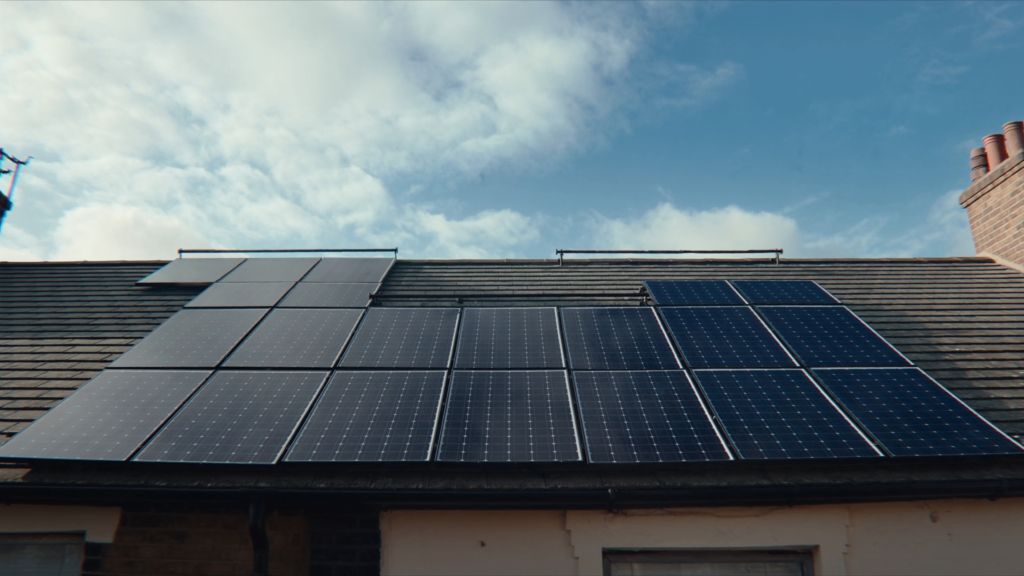
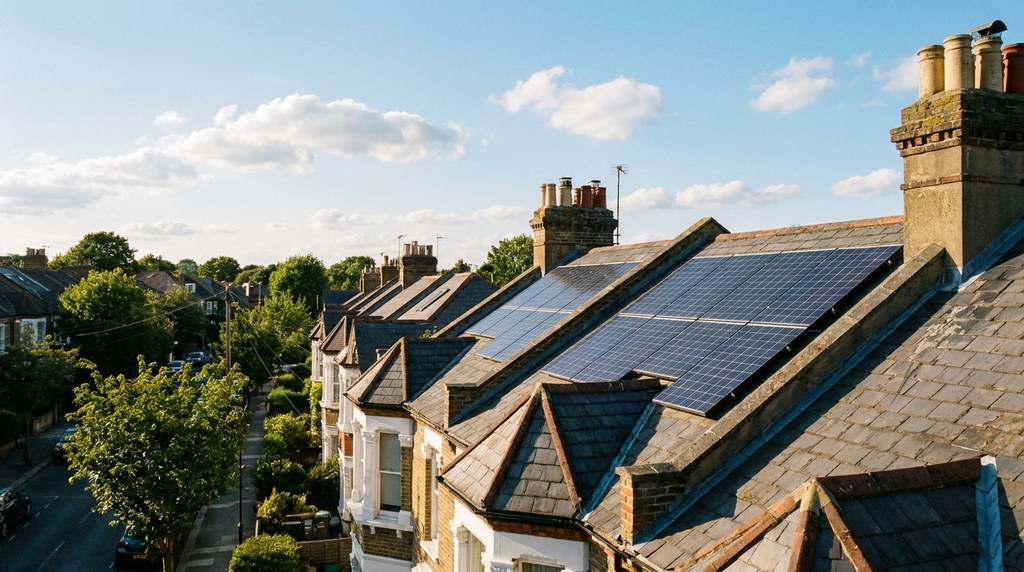
No, standard grid-tied solar panels will not work during a power outage unless you have a battery storage system with an islanding or backup function (GOV.UK, 2026). This is because your inverter automatically shuts down for safety when it detects a grid failure, preventing electricity from feeding into the network while engineers repair faults.
The key variable is your system type. Most UK homes have grid-tied solar panels without battery storage, meaning they cut power completely during a blackout. However, a home with a properly configured battery system, such as a Tesla Powerwall, GivEnergy, or similar, can continue to supply power to designated circuits during an outage. This feature is called ‘islanding’ or ‘backup mode’ and must be explicitly enabled by your installer.
A grid-tied inverter shuts down automatically
Your solar inverter is required by UK regulations to disconnect from the grid within seconds of a power cut. This safety measure, known as anti-islanding, prevents your panels from energising overhead lines that engineers assume are dead. The Energy Networks Association mandates this for all domestic solar installations (ENA G98, 2026). As a result, even in bright sunlight, your panels will produce zero usable power for your home during an outage unless a battery system is present.
Battery storage with backup mode can keep power on
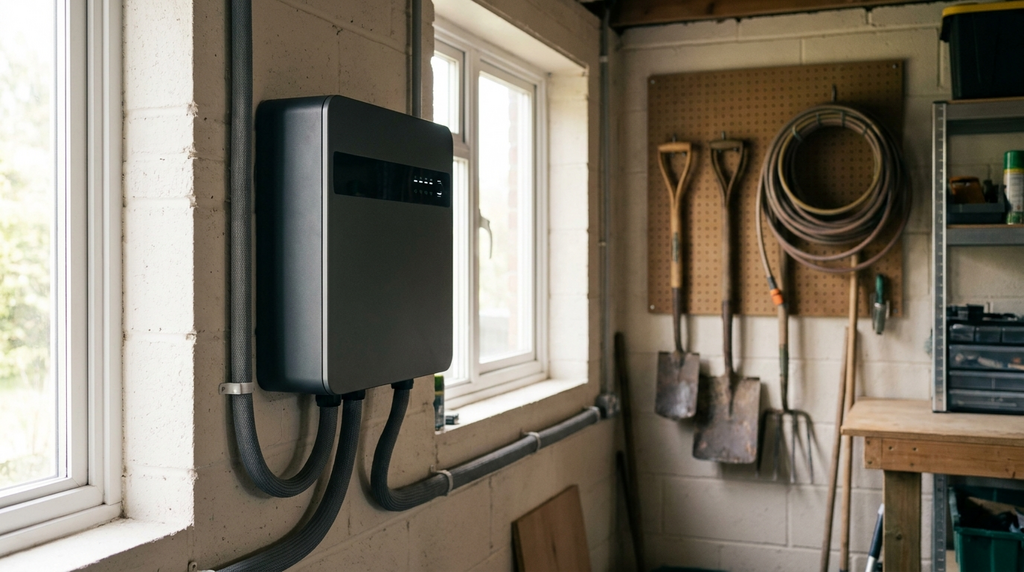
A solar battery system with integrated backup capability can power essential circuits during a blackout. For example, the Tesla Powerwall 3 provides up to 5 kW of continuous backup power, enough to run a fridge, lights, and a kettle (MCS Certified, 2026). However, this requires a dedicated backup gateway or transfer switch installed by an MCS-accredited electrician. Without this hardware, your battery will also shut down. Expect to pay £1,500–£3,000 extra for backup integration on top of the battery cost.
Off-grid solar systems work independently of the grid
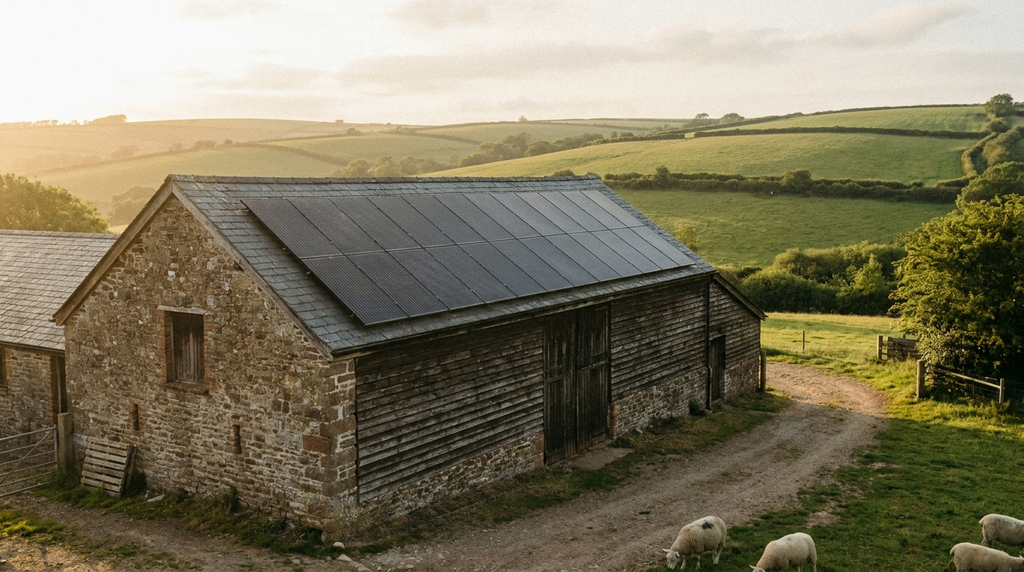
If you have a fully off-grid solar system, common in remote rural homes or caravans, your panels will work during any power outage because they are not connected to the national grid at all. These systems use a charge controller and batteries to store energy, with an inverter that operates independently. The MCS estimates that fewer than 1% of UK solar homes are fully off-grid (MCS Certified, 2026). For most homeowners, the answer remains: standard solar panels will not work during a power cut unless you invest in backup battery storage.
A worked example
A typical 1930s semi-detached house in Manchester with a 4kW solar panel system and a GivEnergy 9.5kWh battery with backup mode would keep three essential circuits, fridge-freezer, broadband router, and LED lighting, running during a two-hour winter power outage. The total installed cost after the 0% VAT saving (until March 2027) and no BUS grant (that scheme covers heat pumps, not batteries) comes to roughly £7,500. The Energy Saving Trust estimates such a setup saves around £640 per year on electricity bills under normal conditions, giving a payback period of about 12 years. During the outage, the battery’s islanding function automatically disconnects from the grid and powers the backup circuits for up to six hours on a full charge. Over a 25-year system lifetime, the total savings reach approximately £16,000, factoring in rising energy prices and the backup power benefit during the three to five outages the average UK home experiences each year.
| Item | Figure |
|---|---|
| Upfront cost after grants | £7,500 |
| Yearly savings | £640 |
| Payback period | 12 years |
| 25-year lifetime savings | £16,000 |
What homeowners often get wrong
The most common mistake is assuming solar panels alone will power the house during a blackout because the sun is still shining. Homeowners confuse solar generation with battery backup, which leads to buying the wrong system and being left in the dark when the grid fails. Here are the three biggest misconceptions
- Thinking all batteries provide backup power Many standard solar batteries (such as the basic Tesla Powerwall without Gateway or a standard GivEnergy unit) are designed only for time-of-use shifting and do not have islanding capability. Without the backup mode enabled by your installer, the battery also shuts down during a grid failure, leaving you with zero power and wasting the £800 to £1,500 you paid for the battery upgrade.
- Believing a hybrid inverter alone guarantees outage protection A hybrid inverter can manage solar and battery power, but it still requires a specific backup or ‘EPS’ (Emergency Power Supply) feature to operate during a blackout. If your installer did not wire a dedicated backup circuit or commission this function, you will lose power just like a standard grid-tied system, and retrofitting it later costs £400 to £700 in additional labour and parts.
- Assuming the entire house stays powered during an outage Backup mode only supplies a limited number of circuits, typically the fridge, lights, and internet, not your electric shower, oven, or heat pump. Homeowners who expect full-house backup often face disappointment and the need for a second, much larger battery costing £5,000 to £8,000 more, which voids their original payback calculations.
Quick reference
- A grid-tied solar system without battery backup shuts down completely within seconds of a power outage due to mandatory anti-islanding safety regulations under ENA G98.
- Only battery systems with explicit islanding or backup mode, such as Tesla Powerwall with Gateway, GivEnergy with EPS, or myenergi libbi, can keep power on during a blackout.
- The BUS grant covers heat pumps only, not solar panels or batteries, but the 0% VAT on energy storage installations remains active until March 2027.
- A typical 9.5kWh backup battery provides between four and eight hours of power for essential circuits in a three-bedroom home during a winter outage.
- Installing backup mode without a dedicated circuit board can void your inverter warranty and fail to meet Part P building regulations in England and Wales.
Frequently Asked Questions
No, standard grid-tied solar panels will not work during a power outage unless you have a battery with backup mode. GOV.UK confirms inverters automatically shut down for safety when grid power is lost.
No, solar panels without a battery will not work during a power cut. The inverter disconnects from the grid within seconds as required by UK regulations.
Islanding mode allows a solar battery system to power your home independently during a grid outage. It must be explicitly enabled by your installer and requires a compatible battery like Tesla Powerwall or GivEnergy.