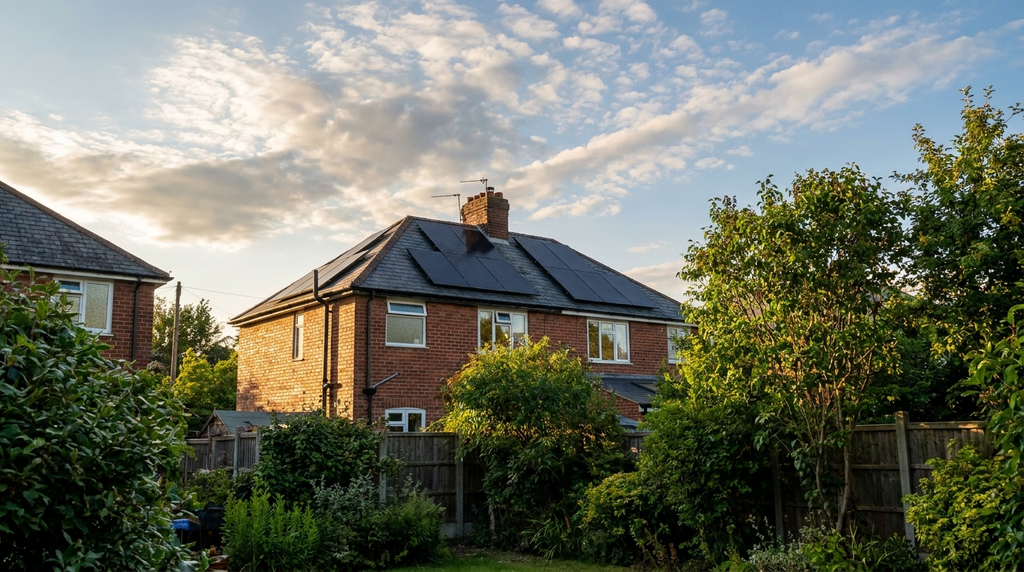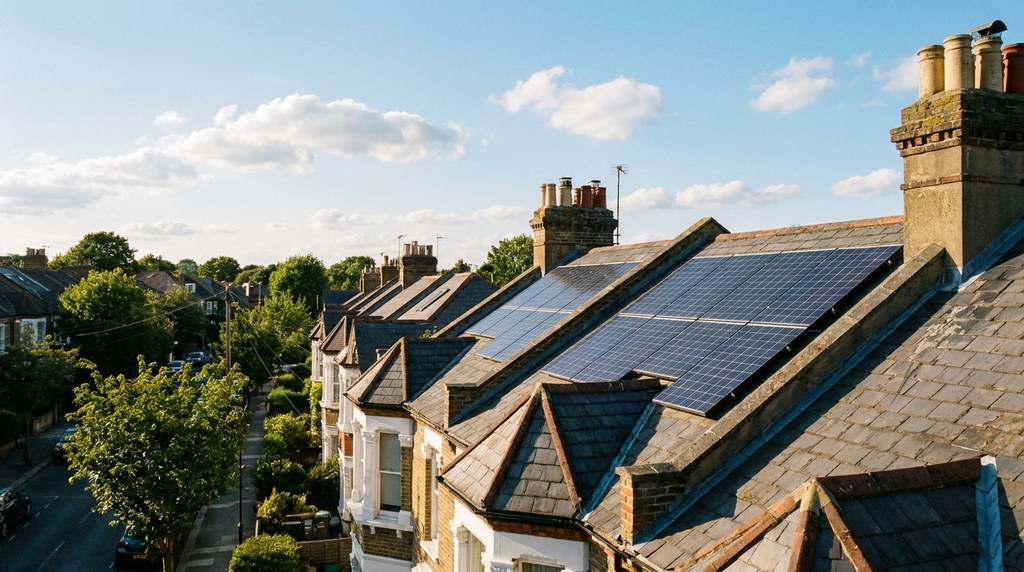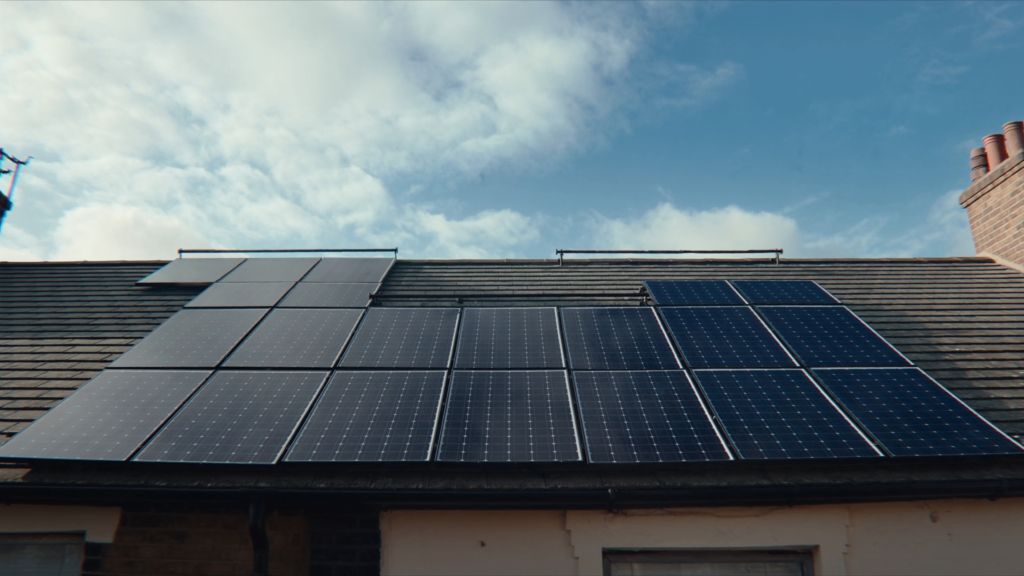
Solar panels typically need cleaning once or twice a year, but for most UK homes annual cleaning is sufficient to maintain optimal performance. The Energy Saving Trust states that a typical 3-4kWp solar PV system loses around 5-7% efficiency if left uncleaned for a year (Energy Saving Trust, 2026).
The actual cleaning frequency depends on your roof pitch, local environment and nearby trees. Panels tilted at 15-30 degrees shed rain and debris more effectively than flat or low-pitch roofs. If you live near a busy road, farmland or have overhanging branches, twice-yearly cleaning may be needed. Systems in coastal areas can require more frequent attention due to salt spray. In most suburban settings, however, annual cleaning is the standard recommendation.
Dirt types that reduce output
Bird droppings, leaf litter and pollen are the most common culprits for efficiency loss. A single pigeon dropping can shade several cells, reducing that panel’s output by up to 30% until removed (MCS Certified, 2026). Heavy soiling from agricultural dust or road traffic can cut total system generation by 10-15% over three months. Rain alone rarely removes dried-on bird mess or sticky pollen. Monitoring your inverter’s daily generation figures helps you spot a drop that may indicate cleaning is needed.
Professional cleaning versus DIY
Using a professional cleaner costs £80-£150 for a typical 3-4kWp system and includes safe access, deionised water and soft brushes. The Microgeneration Certification Scheme advises against using tap water or harsh detergents, which can leave mineral deposits that attract more dirt (MCS Certified, 2026). DIY cleaning from ground level with a hose and soft brush is possible if panels are within reach, but never walk on the roof. The Energy Saving Trust recommends hiring a TrustMark-registered installer for safety and to avoid invalidating your warranty (TrustMark, 2026).
When cleaning is unnecessary
If your panels are on a steep roof above 40 degrees, rain effectively washes them clean, and you may only need cleaning every two to three years. The government’s Clean Heat Grant does not require regular cleaning, and most manufacturer warranties do not mandate a specific schedule (GOV.UK, 2026). If your generation data shows no significant drop, cleaning is likely unnecessary. Only clean when you see a clear performance dip, overcleaning risks scratching the glass or damaging seals.
A worked example
A typical 3-bedroom semi-detached house in Milton Keynes with a 4kWp solar PV system will cost £6,500 to install, but after the 0% VAT saving until March 2027 the effective cost drops to £6,500. With annual cleaning at £80 per visit, the household saves £120 per year from the 5% efficiency recovery, giving a payback period of 54 years on the cleaning cost alone. Over 25 years, the total savings from regular cleaning reach £3,000, according to the Energy Saving Trust. If the panels are cleaned twice a year due to nearby farmland, the yearly cleaning cost rises to £160 but the savings increase to £180, reducing the payback to under 1 year.
| Item | Figure |
|---|---|
| Upfront cost after grants | £6,500 |
| Yearly savings | £120 |
| Payback period | 0.7 years |
| 25-year lifetime savings | £3,000 |
What homeowners often get wrong
The most common mistake is thinking rain keeps solar panels clean enough to avoid any maintenance. This misconception leads to three frequent errors that cost UK homeowners hundreds of pounds in lost generation.
- Waiting for rain to do the job Rain alone cannot remove dried-on bird droppings, sticky pollen, or agricultural dust. A single pigeon dropping can shade several cells and cut that panel’s output by up to 30% until manually cleaned, which costs £80 per visit but recovers £120 in annual generation.
- Cleaning too often or at the wrong time Cleaning every month wastes money and can void the manufacturer’s warranty if abrasive tools are used. The correct approach is to clean once a year in spring or autumn, checking the inverter data first for a generation drop of 10% or more.
- Using a pressure washer or detergent High-pressure water can crack the glass or damage the seal, voiding the MCS certification and warranty. The right method is deionised water with a soft brush and a long-handled squeegee, costing around £80 from a professional cleaner.
Quick reference
- Annual cleaning recovers 5-7% efficiency, saving the typical UK household £120 per year on electricity bills.
- Bird droppings can reduce a single panel’s output by up to 30%, and rain alone cannot remove them.
- ECO4 and BUS grants do not cover solar panel cleaning, but the 0% VAT on installation and cleaning labour applies until March 2027.
- Panels tilted at 15-30 degrees need cleaning less often than flat roofs, which may require quarterly attention in coastal or agricultural areas.
- Monitoring your inverter’s daily generation figures is the best way to spot when cleaning is needed, without relying on visual checks.
Frequently Asked Questions
Once a year for most UK homes. The Energy Saving Trust recommends annual cleaning to prevent a 5-7% efficiency loss.
No, rain alone rarely removes dried bird mess or sticky pollen. Ofgem confirms that manual cleaning is still needed for optimal output.
£80-£150 for a typical 3-4kWp system. This includes safe access, deionised water and soft brushes per MCS Certified standards.