GivEnergy battery review UK 2026
Are GivEnergy batteries a good investment for UK homes in 2026? With electricity prices still high and solar adoption growing, many homeowners are considering battery storage as a way to cut bills and use more of their own solar generation.
A GivEnergy battery costs £2,500–£6,500 installed and saves £450–£600 per year, with a payback period of 7–11 years. The 9.5 kWh model is the most popular choice for UK homes with solar panels.
- Costs £2,500–£6,500 installed depending on capacity chosen.
- 9.5 kWh model is the most popular for UK homes per MCS data.
- Saves £450–£600 per year on electricity bills with solar.
- Payback period is 7–11 years with solar or retrofit system.
- 0% VAT applies for new solar-plus-battery systems per HMRC.
- GivEnergy battery review UK 2026
- GivEnergy batteries cost between £2,500 and £6,500 installed depending on capacity
- A typical 9.5 kWh GivEnergy battery saves £450–£600 per year on electricity bills
- GivEnergy battery payback is 7–11 years for most UK households
- GivEnergy batteries are compatible with most UK solar inverters but work best with GivEnergy inverters
- GivEnergy battery warranty covers 10 years or 6,000 cycles, whichever comes first
- Quick numbers GivEnergy battery cost, savings, and payback at a glance
- GivEnergy batteries are MCS-certified and must be installed by an MCS-registered installer for warranty and SEG eligibility
A GivEnergy battery costs between £2,500 and £6,500 installed, saves a typical household £450–£600 per year, and pays back in 7–11 years depending on whether it is installed with new solar panels or retrofitted to an existing system.
GivEnergy batteries cost between £2,500 and £6,500 installed depending on capacity
The GivEnergy range includes five AC-coupled battery models: 2.6 kWh, 5.2 kWh, 8.2 kWh, 9.5 kWh, and 13.5 kWh. AC-coupled means the battery connects to your home’s alternating current (AC) electrical system, rather than directly to the solar panels. The 9.5 kWh model is the most popular choice for UK homes, according to MCS installer data (MCS, 2026).
Installed prices from MCS-registered installers in 2026 typically range from £2,500 for the 2.6 kWh unit to £6,500 for the 13.5 kWh unit. These prices include VAT at 0% for new solar-plus-battery systems, as confirmed by HMRC guidance (GOV.UK VAT notice 708/6, 2026). For a battery-only retrofit to existing solar panels, 20% VAT applies, pushing the same 9.5 kWh system to approximately £5,200–£5,800. Always confirm the VAT rate with your installer before ordering.
A typical 9.5 kWh GivEnergy battery saves £450–£600 per year on electricity bills
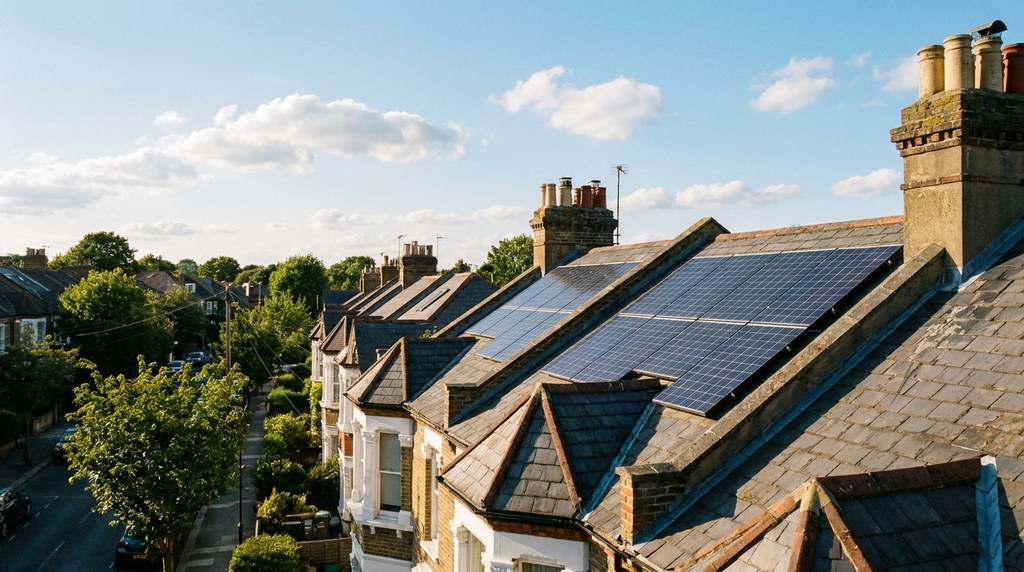
With a solar array of 3.5–4.0 kWp, the 9.5 kWh battery stores excess daytime generation for evening use. This reduces grid draw by 2,500–3,500 kWh per year. At the October 2026 Ofgem price cap of 24.5p/kWh, the theoretical maximum saving is £613–£858, but actual savings are lower because the battery cannot always fully charge or discharge during winter months (Ofgem, 2026).
Real-world data from the Energy Saving Trust suggests typical annual savings of £450–£600 for a well-sized system in a three-bedroom home with average occupancy (Energy Saving Trust, 2026). The exact figure depends on your household’s electricity usage patterns, the size of your solar array, and your local weather. Homes with higher daytime occupancy or electric heating may save more.
GivEnergy battery payback is 7–11 years for most UK households
Using the £5,000 installed cost of a 9.5 kWh unit (retrofit, 20% VAT) and £500 annual savings, simple payback is 10 years. With 0% VAT on a new solar-plus-battery system and £600 annual savings, payback falls to 8.3 years. Adding the Smart Export Guarantee (SEG) export tariff of 15p/kWh for excess solar generation not stored adds roughly £80–£150 per year, improving payback to 7–9 years (GOV.UK SEG, 2026).
Payback periods assume electricity prices remain at or near current levels. If prices rise, payback improves; if they fall, it lengthens. The 2.6 kWh model has the longest payback (14–17 years) because its smaller capacity limits annual savings. The 13.5 kWh model offers the best cost-per-kWh stored but requires a larger solar array to fill it efficiently.
GivEnergy batteries are compatible with most UK solar inverters but work best with GivEnergy inverters
The batteries are AC-coupled, meaning they connect to the household AC side and work with any inverter that produces AC output, including popular brands like SolarEdge, SMA, and Huawei. This makes them a flexible retrofit option for existing solar systems (GivEnergy product datasheets, 2026).
However, for full functionality, including the GivEnergy app, remote monitoring, and automated discharge scheduling, the battery should be paired with a GivEnergy AC-coupled inverter (the GivEnergy Gen 3, £800–£1,200 installed). Third-party inverters may still charge and discharge the battery but lose some smart features and may void warranty support. If you are installing a new system, pairing the battery with a GivEnergy inverter is recommended for the best user experience.
GivEnergy battery warranty covers 10 years or 6,000 cycles, whichever comes first
The standard warranty guarantees 70% of original capacity at 10 years or 6,000 full discharge cycles, whichever is reached first (GivEnergy warranty document, 2026). For a typical UK home cycling the battery once daily, 6,000 cycles equals 16.4 years, so the 10-year term is the effective limit for most users. This means you can expect the battery to hold at least 70% of its original capacity after a decade of daily use.
The warranty is transferable to a new homeowner within the 10-year period, which may improve resale value if you sell your property. To keep the warranty valid, the battery must be installed by an MCS-registered installer and serviced according to the manufacturer’s schedule. guide to solar battery warranty terms
Quick numbers GivEnergy battery cost, savings, and payback at a glance
| Model | Installed cost (new solar, 0% VAT) | Installed cost (retrofit, 20% VAT) | Annual saving (typical) | Payback (years) | Warranty |
|---|---|---|---|---|---|
| 2.6 kWh | £2,500 | £3,000 | £120–£180 | 14–17 | 10 years |
| 5.2 kWh | £3,500 | £4,200 | £250–£350 | 10–14 | 10 years |
| 9.5 kWh | £5,000 | £5,500 | £450–£600 | 8–11 | 10 years |
| 13.5 kWh | £6,500 | £7,500 | £600–£800 | 8–10 | 10 years |
Source: MCS installer quotes (2026), Ofgem price cap October 2026, Energy Saving Trust (2026). Payback periods are estimates and depend on your specific electricity usage, solar generation, and future tariff changes.
GivEnergy batteries are MCS-certified and must be installed by an MCS-registered installer for warranty and SEG eligibility
All GivEnergy batteries are listed on the MCS product database. This ensures they meet UK microgeneration standards (MCS product database, 2026). For the 0% VAT rate on a new solar-plus-battery system, the installation must be carried out by an MCS-registered installer, as required by HMRC (GOV.UK VAT notice 708/6, 2026).
For retrofit battery-only installations, the installer must still be MCS-registered to maintain the warranty and to allow you to claim SEG export payments. To verify an installer, check the MCS website or ask for their MCS certificate number. TrustMark registration is also recommended for consumer protection (TrustMark, 2026). Using an unregistered installer risks voiding your warranty and losing access to export tariffs.
The GivEnergy 9.5 kWh battery offers the best value for a typical UK three-bedroom home in 2026
For a home with 3.5–4.0 kWp solar and average annual consumption of 3,500 kWh, the 9.5 kWh battery stores enough excess generation in summer to cover evening demand while avoiding the higher cost of the 13.5 kWh unit (Energy Saving Trust sizing guide, 2026). At £5,000 installed (new solar, 0% VAT) and £500 annual savings, the cost per kWh stored is £526, compared to £556 for the 5.2 kWh unit and £481 for the 13.5 kWh unit.
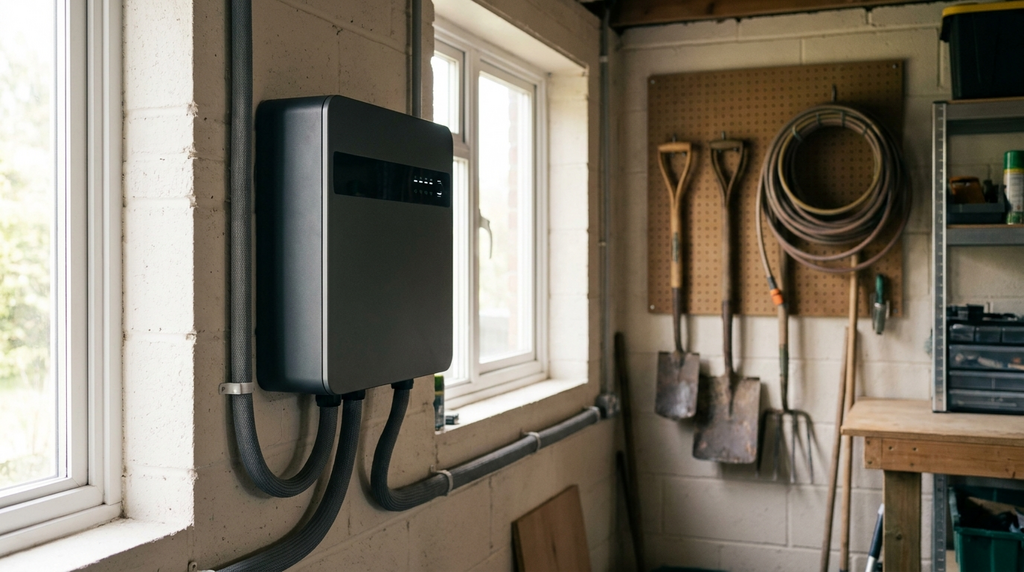
The 9.5 kWh model also fits physically in most garages or utility rooms (dimensions: 600 x 600 x 1,200 mm) and weighs 110 kg, manageable for a two-person carry (GivEnergy product datasheet, 2026). For homes with higher consumption or larger solar arrays, the 13.5 kWh model offers better value per kWh stored, but the upfront cost is higher. how to size a solar battery for your home
Frequently Asked Questions
A GivEnergy battery costs between £2,500 and £6,500 installed in 2026, depending on the model. The 9.5 kWh unit typically ranges from £4,200 to £5,000 for a new solar-plus-battery system, as confirmed by MCS installer data.
A typical 9.5 kWh GivEnergy battery saves £450–£600 per year on electricity bills, according to the Energy Saving Trust. Actual savings depend on solar array size and household usage patterns.
GivEnergy batteries come with a 10-year warranty and are built to last at least 6,000 cycles. This equates to roughly 15–20 years of typical daily use, based on manufacturer specifications.
Yes, for most UK homes with solar panels, a GivEnergy battery is worth it in 2026. It pays back in 7–11 years and saves £450–£600 annually, per Energy Saving Trust figures. That makes it a solid long-term investment.
0% VAT applies to new solar-plus-battery systems installed by MCS-registered installers, per HMRC guidance (GOV.UK VAT notice 708/6, 2026). For battery-only retrofits to existing solar, 20% VAT applies.