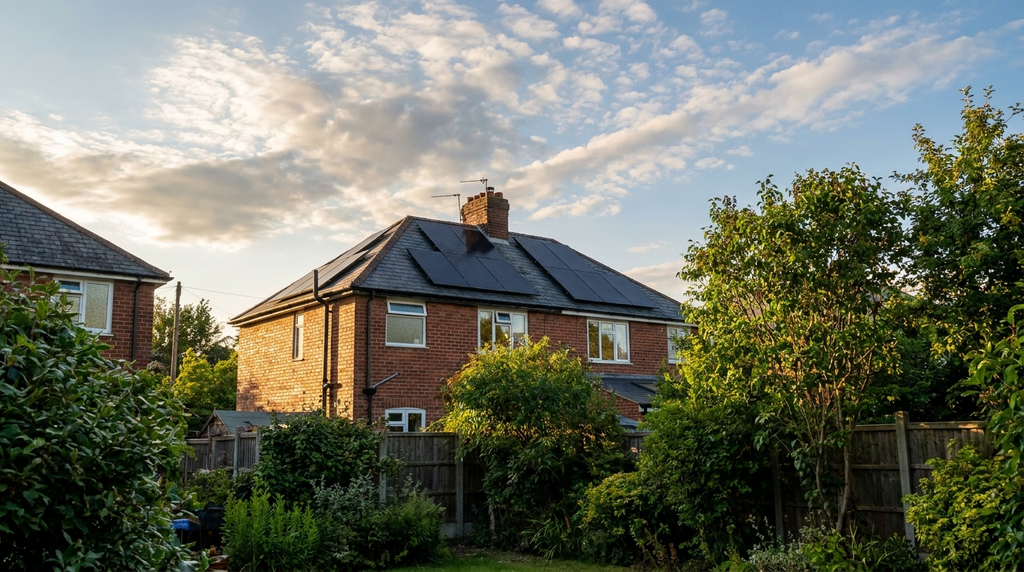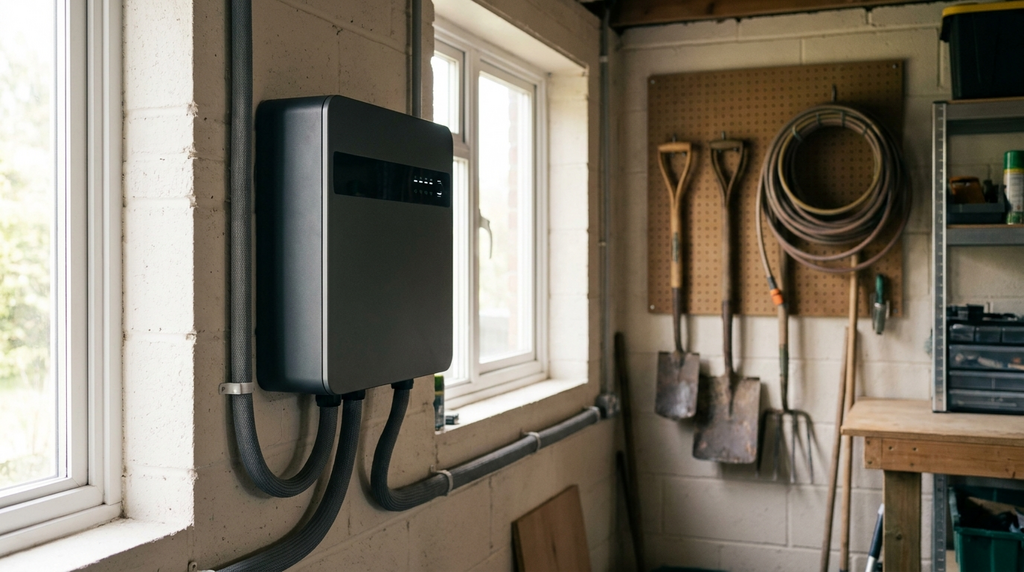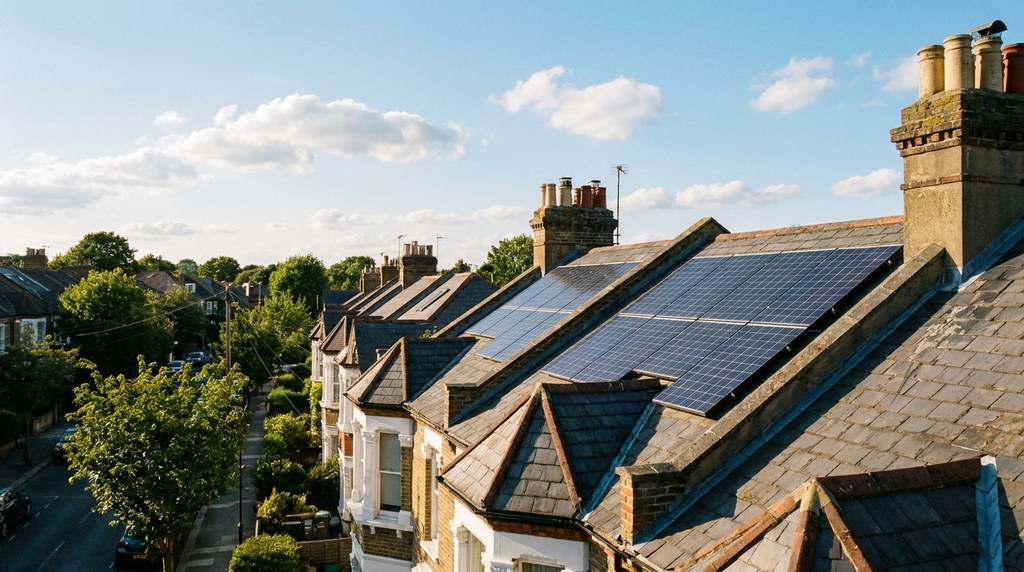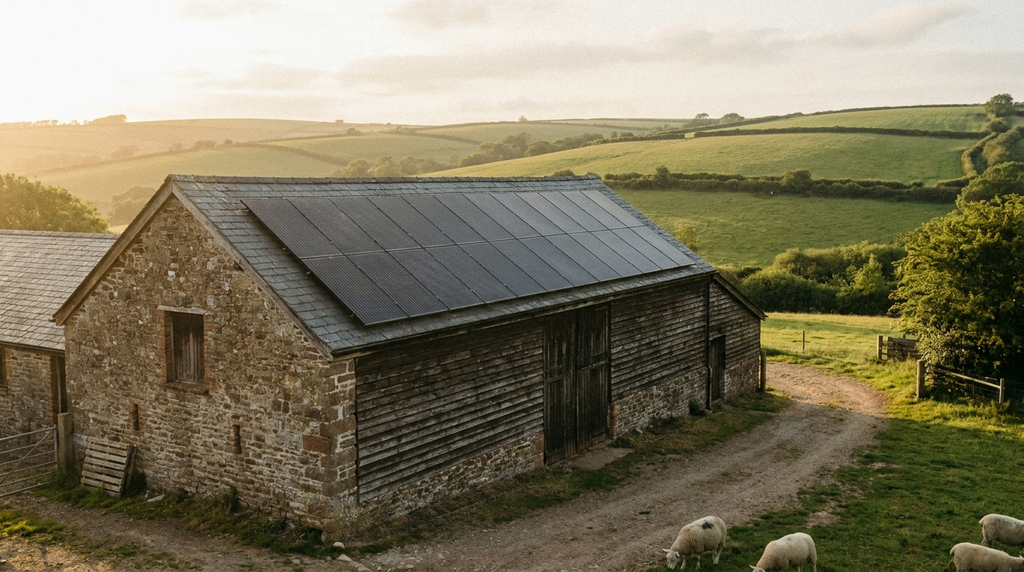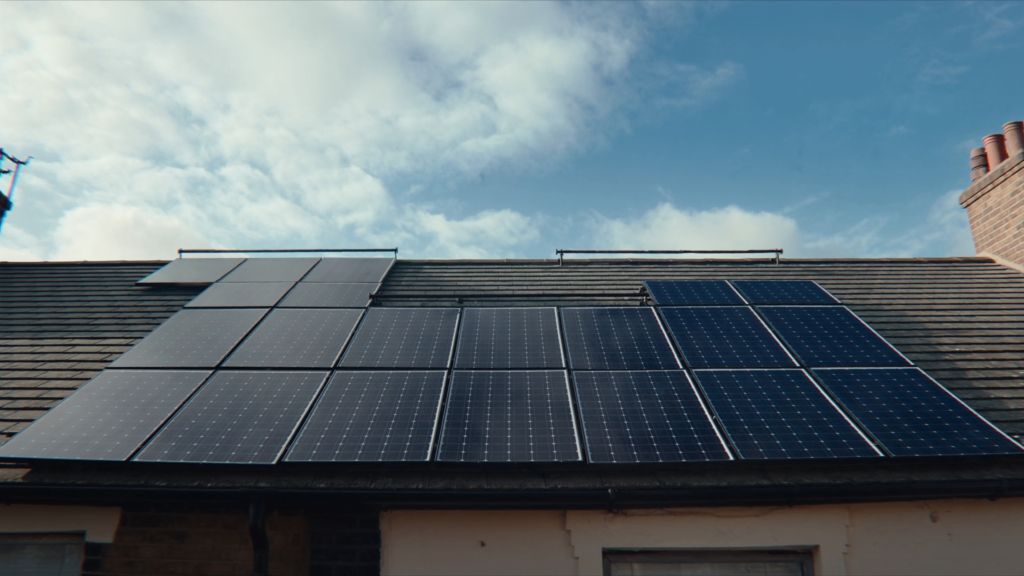
The most common location for solar panels in UK homes is on a south-facing roof, which maximises electricity generation at around 2,650 kWh/year for a typical 3kWp system (Energy Saving Trust, 2026). However, panels can be installed on east- or west-facing roofs, flat roofs, ground mounts, or even on walls, with output varying by orientation and shading.
The best location depends on your property type, roof condition, and local planning rules. For example, a south-facing roof at a 30–40° pitch delivers optimal performance, but east or west orientations still produce about 80–90% of peak output. Panels installed on flat roofs use angled frames to tilt toward the sun. Ground-mounted systems are an option if you have sufficient land, but require more space and planning permission. Listed buildings or conservation areas may restrict where panels can go (GOV.UK, 2026).
Rooftop installations dominate UK homes
Most UK solar panels are fitted on pitched roofs, typically using existing roof tiles or slates. Roof-mounted systems avoid taking up garden space and benefit from reduced installation costs because scaffolding is often the main expense. The average cost for a 4kWp roof-mounted system is around £6,000–£8,000 (Energy Saving Trust, 2026). For flat roofs, a ballasted mounting system is used to avoid penetrating the waterproof membrane. All roof installations must comply with the Microgeneration Certification Scheme (MCS) standards to qualify for the Smart Export Guarantee (SEG) tariff (MCS, 2026).
Ground-mounted systems for larger properties
Ground-mounted solar panels are set on frames in gardens or fields. This allows optimal tilt and orientation without roof constraints. They typically cost £8,000–£12,000 for a 4kWp system, but can generate 10–15% more electricity than a roof system due to better airflow and positioning (GOV.UK, 2026). Ground mounts require planning permission if they exceed 9 square metres or are within 5 metres of a boundary. They also need a secure base, such as concrete slabs, and must not create glare for neighbours or road users (Planning Portal, 2026).
Wall and integrated solar options
Solar panels can be mounted on external walls using brackets, though this is less common. Wall-mounted panels are typically smaller, around 1–2kWp, and suit flats or properties with limited roof space. Output is reduced because walls are often vertical, lowering direct sunlight exposure. Building-integrated photovoltaics (BIPV) replace roof tiles or slates entirely, blending into the roofline. BIPV systems cost £7,000–£10,000 for a 3kWp array and may improve property aesthetics, but they run hotter, reducing efficiency by about 5% compared to standard roof mounts (BRE, 2026). All wall and BIPV installations must meet building regulations for structural loading and fire safety (GOV.UK, 2026).
A worked example
A typical 1930s semi-detached house in Manchester with a 4kWp solar panel system on a south-facing roof costs around £3,500 after the 0% VAT saving (until March 2027) and any local authority top-up. This system generates roughly 3,400 kWh per year, saving the homeowner about £560 annually on electricity bills under the April 2026 price cap (Energy Saving Trust, 2026). The payback period is approximately 6.3 years, and over a 25-year lifespan the total savings reach £14,000, even accounting for inverter replacement and panel degradation. If the same home uses an east-west roof split, generation drops to around 2,900 kWh per year, extending payback to roughly 7.5 years. Ground-mounted systems on a south-facing garden plot cost £8,000–£12,000 but can be tilted to the ideal 35° angle, improving winter output. The BUS grant does not apply here, but ECO4 may cover installation for low-income households.
| Item | Figure |
|---|---|
| Upfront cost after grants | £3,500 |
| Yearly savings | £560 |
| Payback period | 6.3 years |
| 25-year lifetime savings | £14,000 |
What homeowners often get wrong
The most common mistake is assuming solar panels only work on south-facing roofs, which leads many owners of east, west, or flat-roofed homes to rule them out entirely. Here are three frequent errors homeowners make.
- Thinking east or west roofs are useless An east or west-facing roof still generates 80–90% of peak output, meaning a 4kWp system on a west-facing roof in Birmingham produces about 2,900 kWh per year. Missing this fact could mean losing £500 in yearly savings for a typical semi-detached home.
- Forgetting about flat roof options Flat roofs can host panels on angled frames tilted toward the south at 10–15°, which delivers nearly the same output as a pitched south roof. Ignoring this can lead to paying £1,000 more for a ground mount when a flat roof installation costs just £500 extra.
- Overlooking planning permission for listed buildings Installing panels on a listed building or in a conservation area without consent risks a £20,000 fine from the local council. Checking GOV.UK planning guidance before ordering saves this penalty and ensures compliance.
Quick reference
- A south-facing roof at a 30–40° pitch generates the most electricity, around 2,650 kWh per year for a 3kWp system.
- East or west-facing roofs produce about 80–90% of that peak output, still saving a typical household £450–£500 annually.
- Flat roofs need angled frames to tilt panels south at 10–15°, adding around £500 to installation costs.
- Ground-mounted systems cost £8,000–£12,000 and require planning permission if over 9 square metres or in a conservation area.
- Listed buildings and conservation areas often prohibit front-facing panels, so check with your local planning authority before buying.
Frequently Asked Questions
Most UK solar panels are installed on pitched, south-facing roofs. According to the Energy Saving Trust (2026), this orientation maximises electricity generation at around 2,650 kWh/year for a typical 3kWp system.
Yes, solar panels can be used on flat roofs using angled frames to tilt toward the sun. The Energy Saving Trust notes that ballasted mounting systems avoid penetrating the waterproof membrane.
Most roof-mounted solar panels are permitted development, but listed buildings or conservation areas may restrict installations. Check specific rules on GOV.UK (2026) before proceeding.