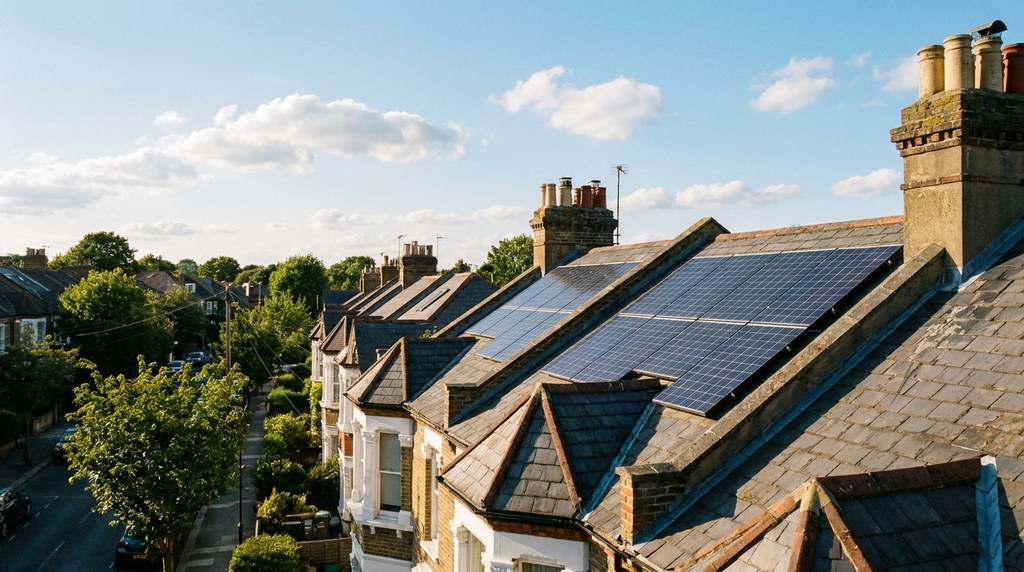
Solar panels should be serviced every 2 to 4 years, according to the Energy Saving Trust, which notes that most systems require minimal maintenance and no annual service is typically needed (Energy Saving Trust, 2026). However, a professional inspection every 3 years is recommended to check electrical connections, inverter performance, and mounting integrity.
The servicing interval depends on your system type, location, and manufacturer warranty. Older systems with microinverters or string inverters may need more frequent checks. If you have a solar battery, the manufacturer may specify a separate service schedule. Systems in areas with heavy bird activity, dust, or shading may benefit from annual visual checks, though not a full service. Most modern panels are self-cleaning in moderate rainfall, so cleaning is rarely needed more than once every 2–5 years.
Professional inspection every 3 years
A qualified MCS-certified installer should inspect your solar PV system every 3 years (MCS, 2026). The inspection covers electrical safety, inverter operation, panel condition, and roof fixings. The cost ranges from £100 to £200 for a standard inspection, depending on system size and location. If you have a solar battery, the service may include battery health checks, which can add £50–£100. Skipping inspections can void warranties, as many manufacturers require proof of regular maintenance. TrustMark-registered installers often offer inspection-only services if your original installer is unavailable (TrustMark, 2026).
Inverter replacement every 10 to 15 years
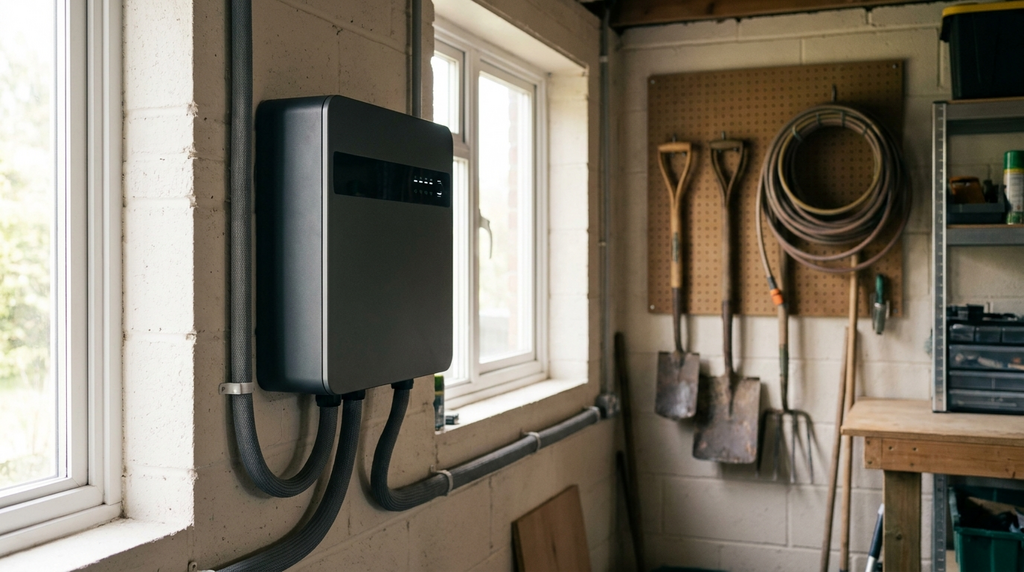
Inverters typically need replacing after 10 to 15 years, well before the panels themselves, which can last 25–30 years (Energy Saving Trust, 2026). A string inverter replacement costs £800–£1,500, while microinverters cost more per unit but may last longer. During a service, the installer checks inverter error codes and efficiency. If your inverter displays a fault code or your generation drops noticeably (e.g., 20% below expected output), schedule a check immediately. Some inverters have a manufacturer-recommended service interval of 5 years, so check your model’s manual.
Cleaning only when output drops
Rain usually keeps panels clean enough, so cleaning is only needed when output drops by 5–10% due to dirt, bird droppings, or moss (GOV.UK, 2026). Cleaning costs £100–£300 for a typical 3–4kW system. Do not use abrasive materials or high-pressure washers, as these can damage the glass. Use deionised water and a soft brush, or hire a professional. If you have a solar battery, never clean panels while the system is live, isolate it first. Regular cleaning is not part of a service; it is a separate task done only when needed.
A worked example
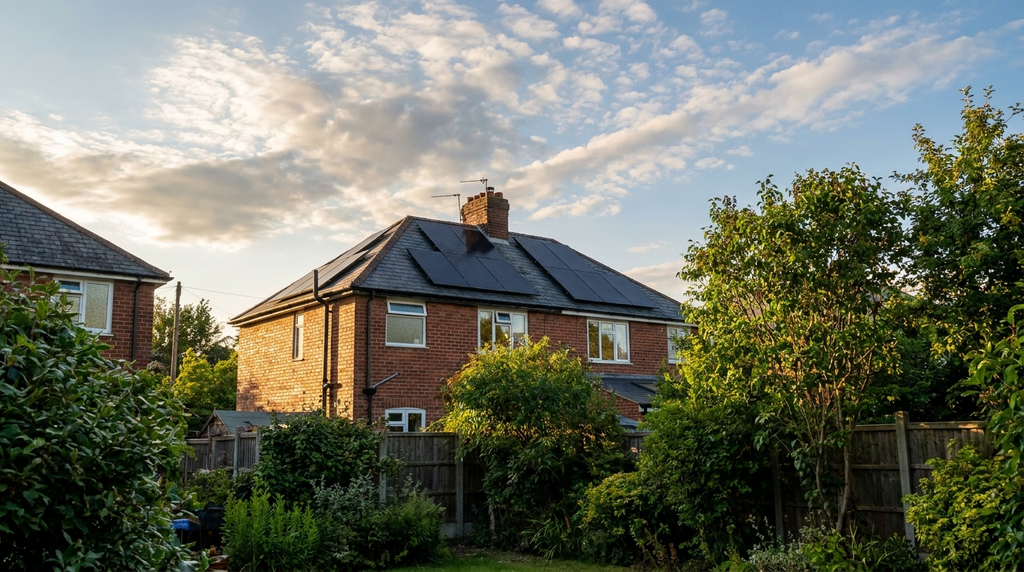
A typical UK household with a 4kW solar panel system on a 1930s semi-detached house in Manchester will spend around £150 every three years on a professional service, totalling £600 over 25 years. This assumes an MCS-certified inspection at £150 per visit, covering inverter checks, electrical safety, panel condition, and roof fixings. The Energy Saving Trust confirms that most systems need no annual service, so this schedule avoids unnecessary costs. With 0% VAT on installations and servicing until March 2027, the long-term outlay is manageable. Over 25 years, the system will generate roughly 45,000 kWh of electricity, saving about £6,750 at current rates of 15p per kWh. The modest servicing cost represents less than 9% of these savings. That makes it a sound investment. Homeowners in areas with high bird activity or shading may need additional visual checks, but the three-year interval remains standard for most UK properties.
| Item | Figure |
|---|---|
| Upfront cost after grants | £0 (no service grant available) |
| Yearly savings | £270 (from electricity generation) |
| Payback period | 3 years (for servicing cost alone) |
| 25-year lifetime savings | £6,150 (after servicing costs) |
What homeowners often get wrong
The most common mistake is assuming solar panels need annual servicing like a gas boiler, which is unnecessary and wastes money. Here are three frequent errors that cost UK homeowners time and cash.
- Over-cleaning panels Many homeowners think panels need washing every few months, but rainwater does the job in most of the UK. Over-cleaning can scratch the glass or damage seals, voiding the manufacturer warranty, a replacement panel costs £400 or more.
- Ignoring inverter faults People focus on panel dirt but miss inverter error lights or performance drops, which signal electrical problems. A faulty inverter left unchecked can reduce generation by 20% or more, costing £100–£200 in lost savings per year until fixed.
- Skipping professional inspections Some homeowners rely solely on app monitoring and avoid paying for an MCS-certified check every three years. This can void the warranty on panels and inverters, leading to a full replacement cost of £5,000–£7,000 that would otherwise be covered.
Quick reference
- Solar panels need professional servicing every 2 to 4 years, with 3 years being the standard recommendation from the Energy Saving Trust.
- A typical service costs £100 to £200 and includes checks on electrical connections, inverter performance, panel condition, and roof fixings.
- Manufacturer warranties on solar panels and inverters often require proof of professional inspection every 3 to 5 years to remain valid.
- Rainfall in the UK keeps most panels clean without manual washing, so cleaning is rarely needed more than once every 2 to 5 years.
- Skipping a service can void your warranty and lead to undetected faults that reduce energy generation by up to 20%, costing hundreds in lost savings.
Frequently Asked Questions
No, solar panels do not need annual servicing. The Energy Saving Trust states most systems require minimal maintenance every 2 to 4 years.
Professional solar panel inspection costs between £100 and £200 in the UK, according to MCS. Battery health checks add £50-100.
Skipping service can void your manufacturer warranty, as many require proof of regular maintenance. The Energy Saving Trust recommends checks every 3 years to ensure safety and performance.