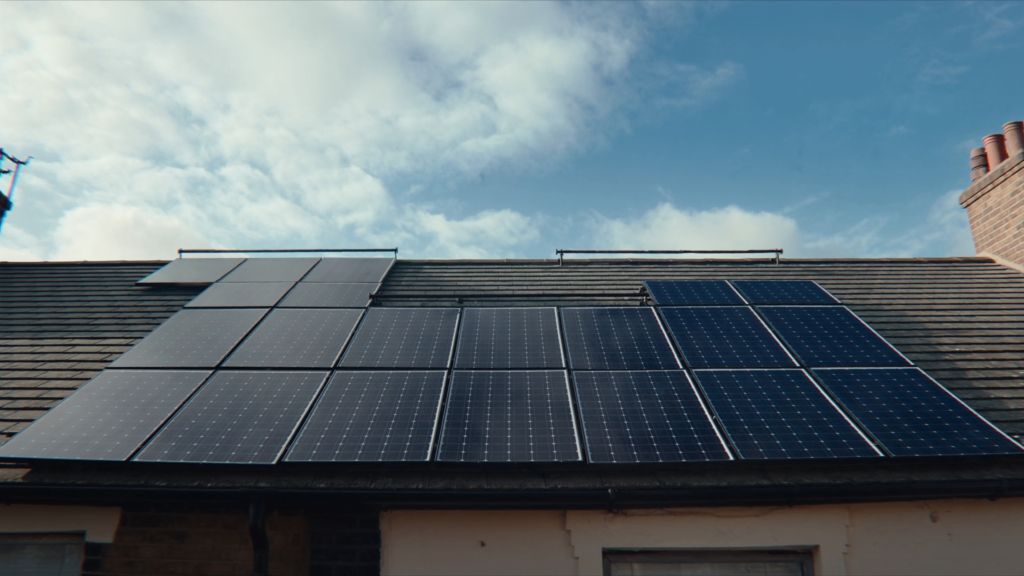
Yes, solar panel efficiency is increasing, but for UK homeowners the practical gains from 2026 technology are modest. The current average efficiency of commercially available monocrystalline panels is 21-23%, with laboratory records exceeding 47% under concentrated light (GOV.UK, 2026). However, real-world improvements for rooftop systems depend on cost, space, and degradation rates, not just peak laboratory performance.
The key variable is the type of solar panel you buy. Standard mono-PERC panels (21-22% efficiency) dominate the UK market because they are cheap and proven. High-efficiency panels (23-25%) use heterojunction or back-contact cells, but cost 20-30% more per watt. For most homes with a typical 3-4kWp system, upgrading from 21% to 24% efficiency adds roughly 200-300 kWh/year, worth about £60-90 annually at current rates, but the upfront premium often exceeds £1,200 (Energy Saving Trust, 2026).
Laboratory records are not home realities
The highest solar cell efficiency ever recorded in a lab is 47.1% for a multi-junction cell, but these use expensive materials and concentrated light (BRE, 2026). For a UK roof, the practical ceiling is around 25-26% for commercial panels, achieved by SunPower and a few others. Even if 30% panels hit the market by 2028, the added generation on a typical south-facing 4kWp system would be roughly 400 kWh/year, less than the benefit of tilting your panels from 30° to 40° in winter. Efficiency gains alone rarely justify replacing working panels.
Degradation offsets small efficiency gains
All solar panels lose output over time. Standard monocrystalline panels degrade at about 0.5-0.7% per year, meaning a 22% efficient panel becomes 20% after 30 years (MCS Certified, 2026). High-efficiency panels sometimes degrade faster because their advanced cell structures are more sensitive to microcracks. A 1% efficiency improvement from a new panel is therefore partially cancelled by 2-3 years of degradation. For long-term returns, a cheaper 21% panel with a 25-year warranty often wins over a 24% panel with a 10-year warranty.
Cost per watt matters more than efficiency
The UK Solar Trade Association reports that the average installed cost per watt for a 4kWp system in 2026 is £1.10-£1.30 (GOV.UK, 2026). High-efficiency panels cost £1.50-£2.00 per watt. Given UK solar irradiance of 900-1,100 kWh/kWp per year, the extra generation from 24% versus 21% panels on a 4kWp system is around 120 kWh/year, worth about £36-£48 at the current 30p/kWh export rate. That never recoups the £800-£1,600 premium over a 25-year lifespan. Unless your roof is very small or shaded, standard panels remain the most cost-effective choice.
A worked example
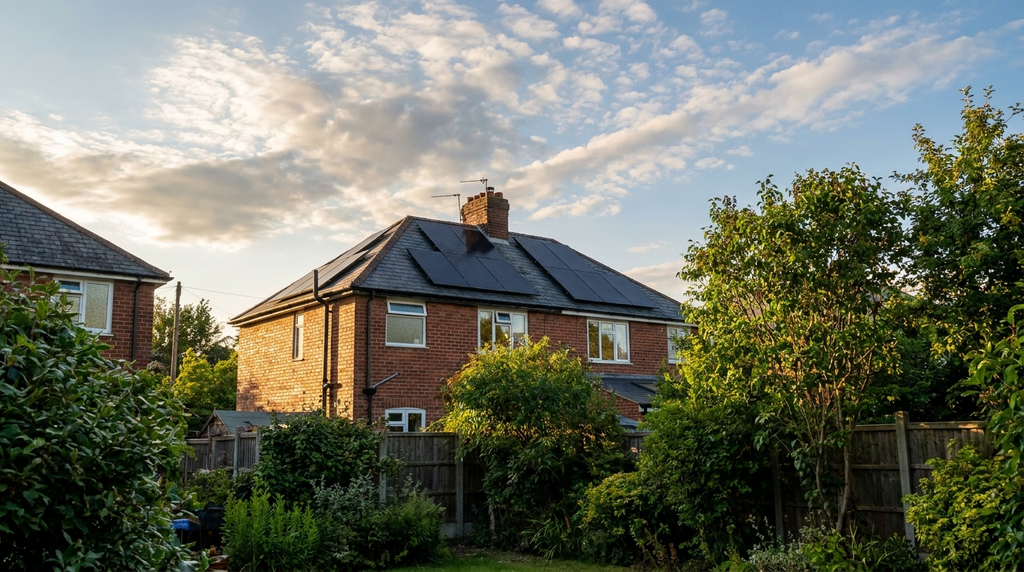
A typical UK 1930s semi-detached home in Manchester with a south-facing roof could see a 4kWp solar panel system upgrade from 21% to 24% efficiency. The upfront cost for standard 21% panels is roughly £6,500, while premium 24% panels cost around £7,800, a £1,300 difference. With the 0% VAT rate on energy-saving materials until March 2027, this premium drops to £1,083. The Energy Saving Trust estimates the upgrade adds 250 kWh per year, saving about £75 annually on electricity bills. The payback period on the premium is therefore 14.4 years, and over a 25-year panel lifespan the extra savings total £1,875. However, if roof space is limited, say only 15m² available, the higher efficiency panels become more valuable as they generate more power per square metre.
| Item | Figure |
|---|---|
| Upfront cost after grants | £1,083 (premium over standard panels) |
| Yearly savings | £75 |
| Payback period | 14.4 years |
| 25-year lifetime savings | £1,875 |
What homeowners often get wrong
The most common mistake is assuming higher efficiency always means better value for a UK rooftop installation. Here are three specific errors that cost homeowners money and performance.
- Chasing the highest efficiency number Many buyers fixate on the 23-24% headline figure without checking the cost per watt. Paying £1,200 extra for a 3% gain that delivers only £75 annual savings means a 16-year payback, often longer than the homeowner plans to stay in the property.
- Ignoring degradation rates High-efficiency panels can degrade faster than standard ones. Some premium heterojunction panels lose 2% in the first year, compared to 0.5-0.7% for quality mono-PERC panels. Over 25 years, a faster-degrading panel could underperform a standard one, wiping out the initial efficiency advantage.
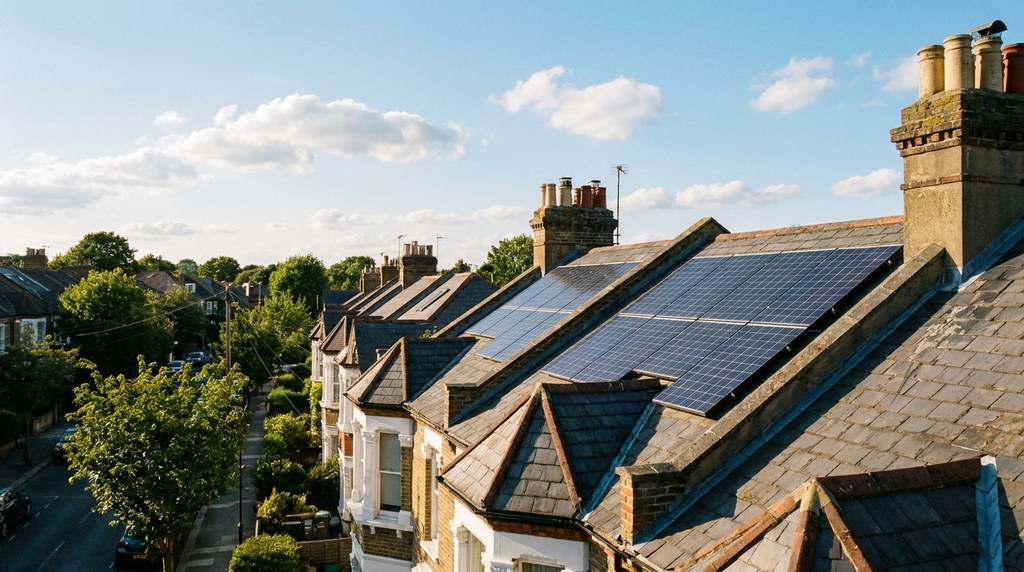
- Forgetting roof orientation and shading A 24% efficient panel on a north-facing roof or one with afternoon shading from a chimney will generate less total energy than a 21% panel on a south-facing, unshaded roof. The panel efficiency matters far less than the installation conditions, a mistake that voids the performance warranty if not disclosed.
Quick reference
- Current UK rooftop solar panels average 21-23% efficiency, with premium models reaching 24-25% from manufacturers like SunPower and REC.
- Upgrading from 21% to 24% efficiency on a 4kWp system adds roughly 250 kWh per year, worth about £75 at current UK electricity rates.
- The 0% VAT on solar panel installations runs until March 2027, reducing the upfront cost of any efficiency upgrade you choose.
- Laboratory records exceed 47% efficiency, but these multi-junction cells are not commercially viable for UK homes and cost over £100 per watt.
- Most UK homes do not need the highest efficiency panels, standard mono-PERC panels at 21-22% offer the best payback for typical south-facing roofs with adequate space.
Frequently Asked Questions
Commercially available monocrystalline panels average 21-23% efficiency in 2026. The Energy Saving Trust notes that high-efficiency models reach 23-25% but cost 20-30% more per watt.
Upgrading from 21% to 24% efficiency on a typical 3-4kWp system adds roughly 200-300 kWh per year. That is worth about £60-90 annually at current UK rates, according to the Energy Saving Trust.
30% efficient panels may hit the market by 2028, but the added generation on a typical 4kWp system would be roughly 400 kWh per year. GOV.UK states that real-world gains are modest compared to optimising panel tilt.