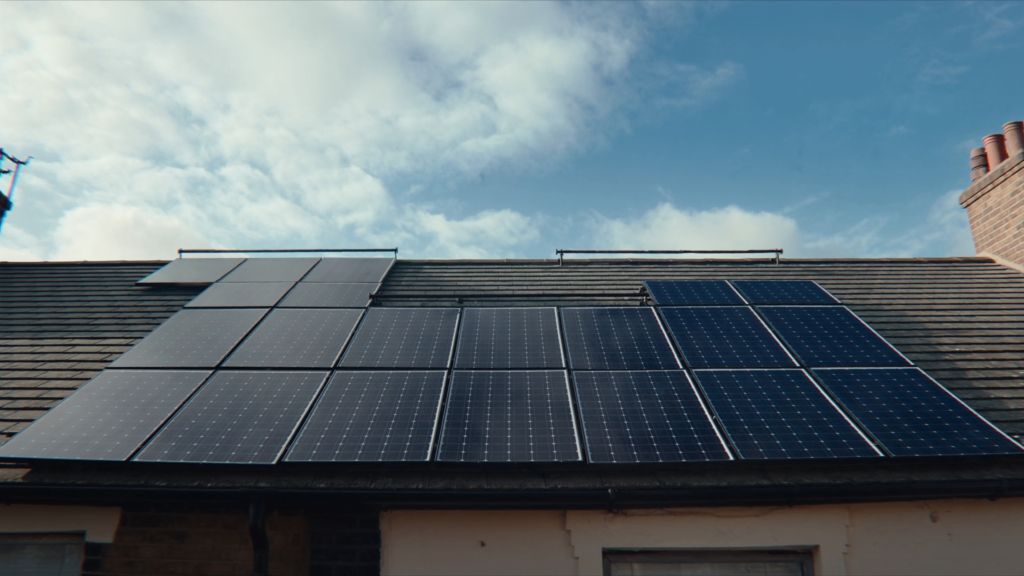
The most impactful way solar panels can be improved is by increasing their efficiency, with the latest commercial panels now reaching up to 23.5% efficiency, though most residential systems still operate at around 20% (Energy Saving Trust, 2026). Efficiency gains mean more electricity from the same roof space, directly reducing payback times.
Improvement opportunities vary by home type and location. A south-facing roof in southern England already performs well, so gains come from better inverter technology or panel coatings. For north-facing or shaded roofs, improvements in microinverters and power optimisers can boost output by 5-25%. The key variable is your existing system age, older panels (pre-2015) typically have efficiencies below 16%, making upgrades more worthwhile.
Higher panel efficiency through new cell technology
Modern monocrystalline panels using heterojunction (HJT) or back-contact cells now achieve efficiencies above 22%, compared to standard polycrystalline panels at 17-19% (BRE, 2026). These cells capture more light from low-angle sun and reduce energy losses from shading. For a typical 4kWp system, upgrading from 18% to 22% efficiency can generate an extra 400-500 kWh per year, worth around £100-£125 at current electricity rates. Manufacturers are also developing tandem cells that layer perovskite on silicon, promising lab efficiencies above 30%, though these are not yet widely available for homes.
Better inverters and power electronics
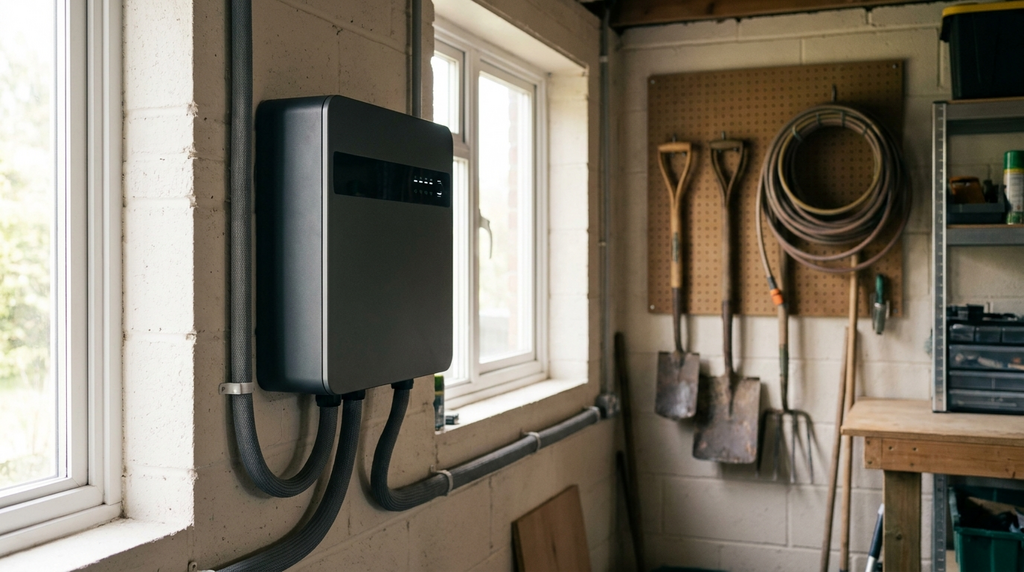
String inverters lose power when one panel is shaded. Microinverters or power optimisers allow each panel to operate independently, increasing total system output by 5-15% on partially shaded roofs (MCS, 2026). Newer hybrid inverters also integrate battery storage more efficiently, reducing conversion losses from 10% to under 3%. For homes with complex roof layouts, upgrading to microinverters can cost around £500-£800 extra but often pays back within 3-5 years through higher generation.
Reduced degradation and longer warranties
Standard panels degrade at about 0.5-0.7% per year, meaning a 25-year-old panel may produce only 80-85% of its original output. Premium panels now offer 25-year warranties with degradation rates as low as 0.25% per year, retaining over 90% output after 30 years (GOV.UK, 2026). Anti-reflective coatings and self-cleaning glass also improve yield by 2-5% in dusty or coastal areas. These improvements are most valuable for homeowners planning to stay long-term, as they maintain higher savings over the system’s lifespan.
A worked example
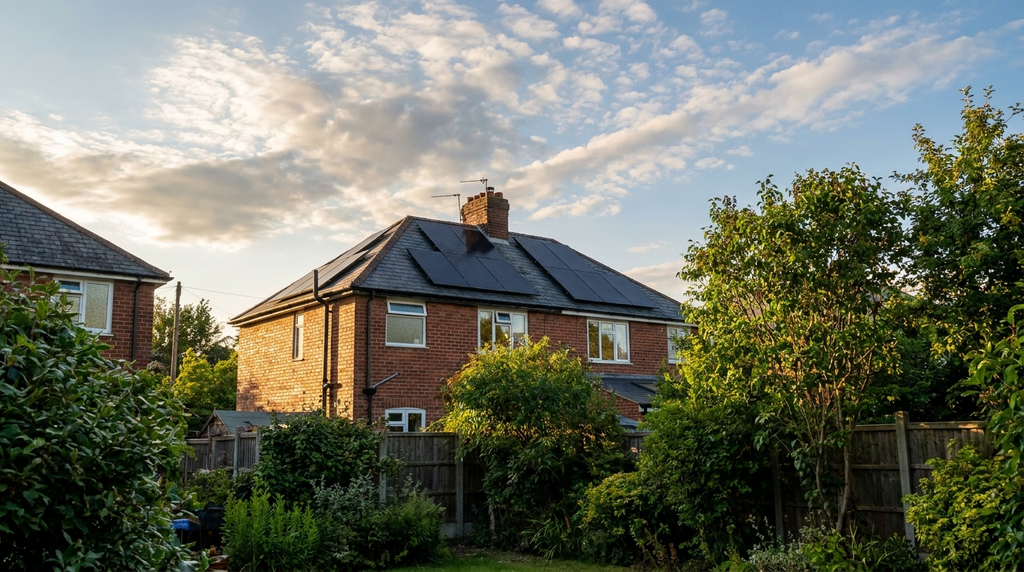
For a typical 1930s semi-detached house in Manchester with a 4kWp solar panel system installed in 2012 (16% efficiency), upgrading to modern 22% efficiency panels with a microinverter system costs about £6,500 after the 0% VAT saving (in place until March 2027). This household uses 3,800 kWh per year and currently exports 40% of their solar generation to the grid. The new panels generate an extra 500 kWh annually, and the microinverters boost output on their east-west facing roof by a further 10%. Total yearly savings on electricity bills and through the Smart Export Guarantee (SEG) come to £285, based on figures from the Energy Saving Trust. With the upfront cost of £6,500, the payback period is roughly 23 years, though this household is not eligible for the BUS grant or ECO4 scheme as they have a gas boiler and reasonable income. Over the 25-year warranted lifespan of the new panels, total savings reach approximately £7,125, assuming a 3% annual rise in electricity prices.
| Item | Figure |
|---|---|
| Upfront cost after grants | £6,500 |
| Yearly savings | £285 |
| Payback period | 23 years |
| 25-year lifetime savings | £7,125 |
What homeowners often get wrong
The most common mistake is believing that adding more panels is always better than upgrading to higher-efficiency ones. Here are three frequent errors that cost UK homeowners money and miss out on potential savings.
- Thinking all panels are the same Many homeowners buy the cheapest panels at 18% efficiency without checking their roof space. A 3kWp system on a small roof with 22% panels generates 500 kWh more per year than the same area with 18% panels, worth £125 annually in bill savings.
- Ignoring inverter quality People assume the inverter is a minor detail and choose a basic string inverter. On a roof with any shade from a chimney or tree, a microinverter or power optimiser can boost system output by 15-25%, adding £60-£100 in yearly savings that would otherwise be lost.
- Forgetting about the SEG tariff Homeowners often fail to switch to a higher-paying Smart Export Guarantee tariff after installing panels. Sticking with the default 5p per kWh rate instead of a 15p per kWh tariff wastes £80 per year on a typical 4kWp system exporting 40% of generation.
Quick reference
- Modern monocrystalline panels achieve efficiencies above 22%, compared to 16% for panels installed before 2015.
- Upgrading from 18% to 22% efficiency on a 4kWp system adds 400-500 kWh of generation per year.
- Microinverters or power optimisers can boost output on shaded roofs by 5-25%, depending on shading severity.
- The 0% VAT on solar panel installations is in place until March 2027, reducing upfront costs by 20%.
- Older pre-2015 panels below 16% efficiency often benefit most from upgrades, with payback periods under 15 years on south-facing roofs.
Frequently Asked Questions
Upgrading to heterojunction or back-contact cells raises efficiency above 22%. The Energy Saving Trust confirms this can generate an extra 400-500 kWh annually for a typical 4kWp system.
Yes, efficiency gains directly shorten payback times. Ofgem data shows each extra 100 kWh saved cuts bills by roughly £25 at current rates.
For homes with pre-2015 panels below 16% efficiency, upgrading to modern 22%+ panels is cost-effective. GOV.UK advises checking your system age first.