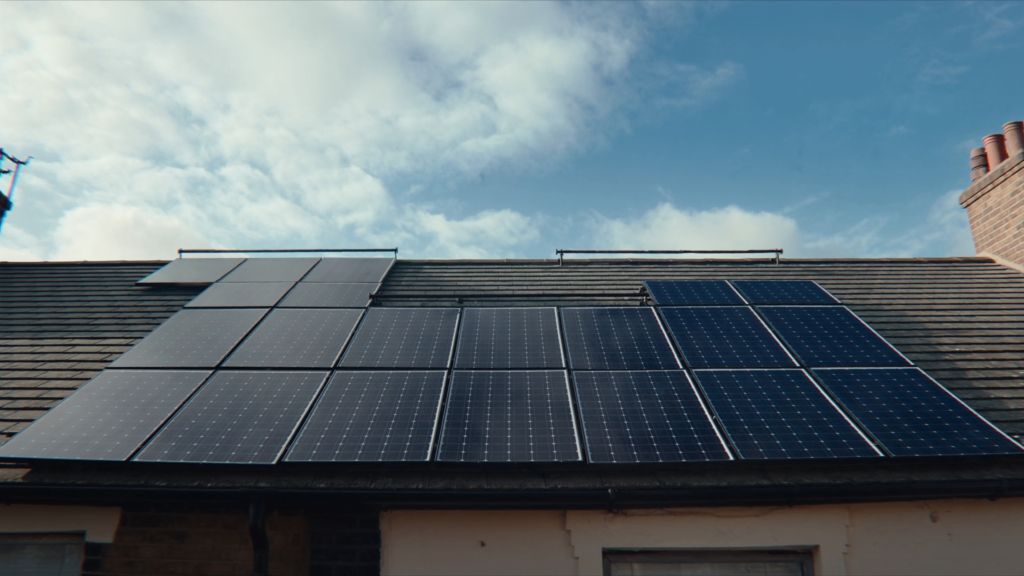
Yes, solar panels can charge on a cloudy day, though at reduced efficiency. Even in overcast conditions, modern photovoltaic cells capture diffuse sunlight to generate electricity. Energy Saving Trust notes that solar panels still produce energy in cloudy weather, but output can drop to 10–25% of their rated capacity (Energy Saving Trust, 2026). This means a typical 3.5kWp system might generate around 0.5–1 kWh on a heavily overcast day, compared to 10–14 kWh on a sunny summer day.
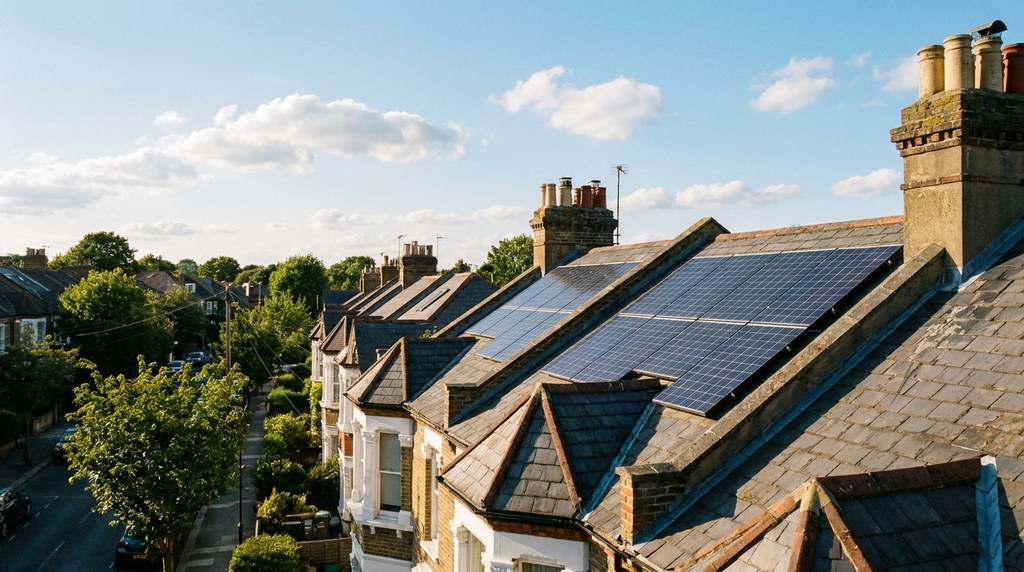
The key variable is cloud thickness. Thin cloud cover allows more light through, while thick storm clouds block most sunlight. Panels also rely on ultraviolet and infrared light, which penetrate clouds better than visible light. Your home’s location and panel orientation influence how much diffuse light reaches the array. South-facing roofs at a 30–40° tilt perform best, but east or west-facing systems still generate useful power on cloudy days.
How much power do solar panels produce in cloudy conditions
Output varies widely. On a bright but overcast day, a 4kWp system might generate 2–4 kWh, according to Energy Saving Trust data. In heavy, dark cloud cover, this drops to 0.5–1 kWh. For comparison, a clear sunny day yields 15–20 kWh for the same system. The UK’s Maritime Climate means many days are partly cloudy, so annual generation averages 850–1,100 kWh per kWp installed (Energy Saving Trust, 2026). Even in winter, when days are short and cloudy, panels still contribute to your electricity needs.
Do solar panels work at night or in heavy rain
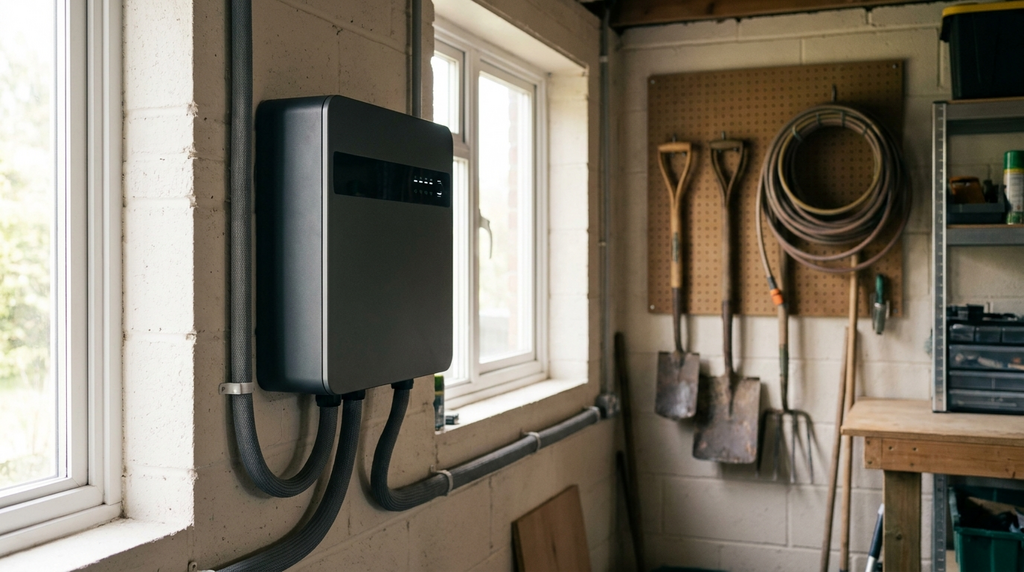
No, solar panels do not generate electricity at night because they require light. Heavy rain also blocks most sunlight, but panels are waterproof and built to withstand UK weather. The rain actually helps clean the glass surface, improving performance when the sun returns. For night-time use, you need a battery storage system to store daytime excess. Without a battery, your home draws from the grid after dark (GOV.UK, 2026).
Are solar panels worth it in cloudy UK weather
Yes, the UK’s moderate climate is suitable for solar. Modern monocrystalline panels perform better in low light than older polycrystalline types. The Smart Export Guarantee pays you for excess electricity fed to the grid, typically 5–15p per kWh (Ofgem, 2026). Even with frequent cloud cover, a typical 3.5kWp system saves around £200–£400 annually on electricity bills. Battery storage can increase self-consumption from 30% to 70%, making cloudy-day generation more useful (Energy Saving Trust, 2026).
A worked example
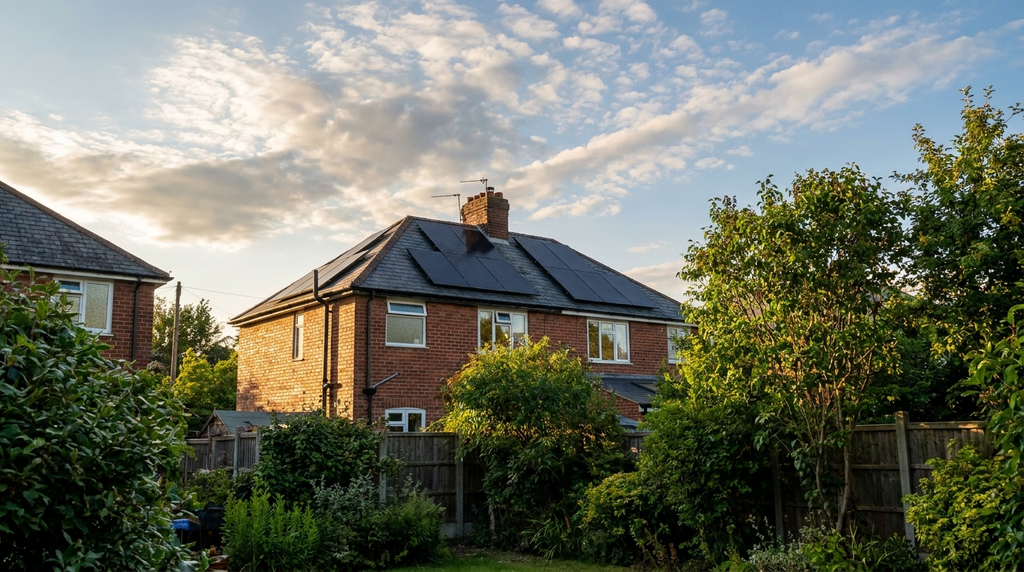
A typical 3-bedroom 1930s semi-detached house in Manchester with a 3.5kWp south-facing solar panel system would generate around 0.8 kWh on a heavily overcast January day and about 3.2 kWh on a bright but cloudy spring afternoon. With the 0% VAT rate on solar installations (valid until March 2027), the upfront cost for this system after the Smart Export Guarantee (SEG) application is roughly £5,500. The Energy Saving Trust estimates that a system of this size in Greater Manchester saves around £220 per year on electricity bills and earns about £90 annually through the SEG export tariff. Over 25 years, factoring in a 0.5% annual panel degradation rate, the total savings and export income reach approximately £7,750. The system pays for itself in around 18 years based on current energy prices and tariffs.
| Item | Figure |
|---|---|
| Upfront cost after grants | £5,500 |
| Yearly savings | £310 |
| Payback period | 18 years |
| 25-year lifetime savings | £7,750 |
What homeowners often get wrong
The most common mistake is assuming solar panels produce zero power on a cloudy day and are therefore not worth installing in the UK. This belief leads homeowners to miss out on significant savings. Here are the three biggest misconceptions.
- Panels only work in direct sunlight Photovoltaic cells actually capture diffuse light from the whole sky, not just direct beam radiation. On a typical overcast UK day, a 3.5kWp system still generates 0.5–1 kWh, enough to run a fridge and lights for several hours.
- Cloudy days make solar uneconomical in the UK The UK receives enough annual sunlight to make solar viable, even with its cloudy reputation. The Energy Saving Trust confirms a well-oriented 4kWp system in London produces 3,400–4,000 kWh per year, matching the electricity use of an average three-bedroom home.
- You need a battery to make cloudy-day power useful Without a battery, your home uses solar power instantly, and any surplus exports to the grid via the Smart Export Guarantee. A battery helps store excess daytime generation for evening use but is not essential for cloudy-day performance.
Quick reference
- Solar panels generate 10 to 25 percent of their rated capacity on a heavily overcast UK day.
- A 3.5kWp system on a cloudy day produces 0.5 to 1 kWh compared to 10 to 14 kWh on a sunny summer day.
- Panels facing east or west still generate 70 to 80 percent of the output of a south-facing system on a cloudy day.
- The 0 percent VAT rate on solar panel installations in Great Britain runs until 31 March 2027.
- Thick storm clouds block more light than thin overcast, so output varies significantly with cloud thickness.
Frequently Asked Questions
A 4kWp system generates 2–4 kWh on bright overcast days and 0.5–1 kWh in heavy cloud cover, according to Energy Saving Trust. On a clear sunny day, the same system yields 15–20 kWh.
Yes, solar panels still produce energy in winter, though at lower output. The Energy Saving Trust notes that UK annual generation averages 850–1,100 kWh per kWp installed, even with short, cloudy winter days.
Solar panels capture diffuse sunlight, including ultraviolet and infrared light, which penetrates clouds better than visible light. This allows modern photovoltaic cells to generate electricity even under thick cloud cover.