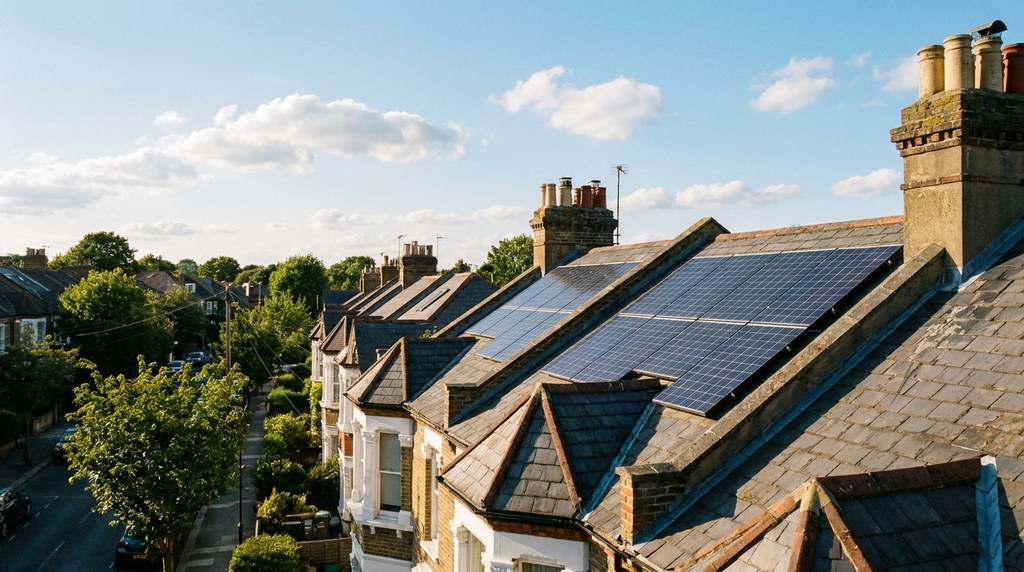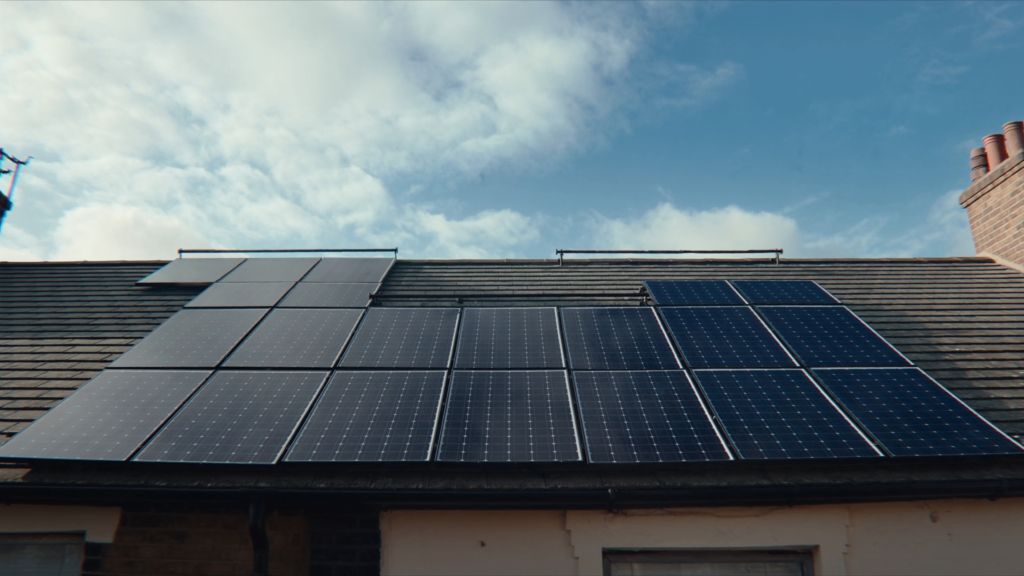
Solar panels help with cutting your electricity bills, reducing your carbon footprint, and earning money through the Smart Export Guarantee, says the Energy Saving Trust (Energy Saving Trust, 2026). A typical 3.5kWp system can save a household up to £550 annually on electricity costs.
The exact benefit depends on how much of the generated electricity you use at home. Solar panels produce power during daylight hours, so the more appliances you run when the sun is shining, the higher your savings. If you are out all day, you will export most of the electricity back to the grid, earning a lower rate under the Smart Export Guarantee.
Lowering your annual electricity bills
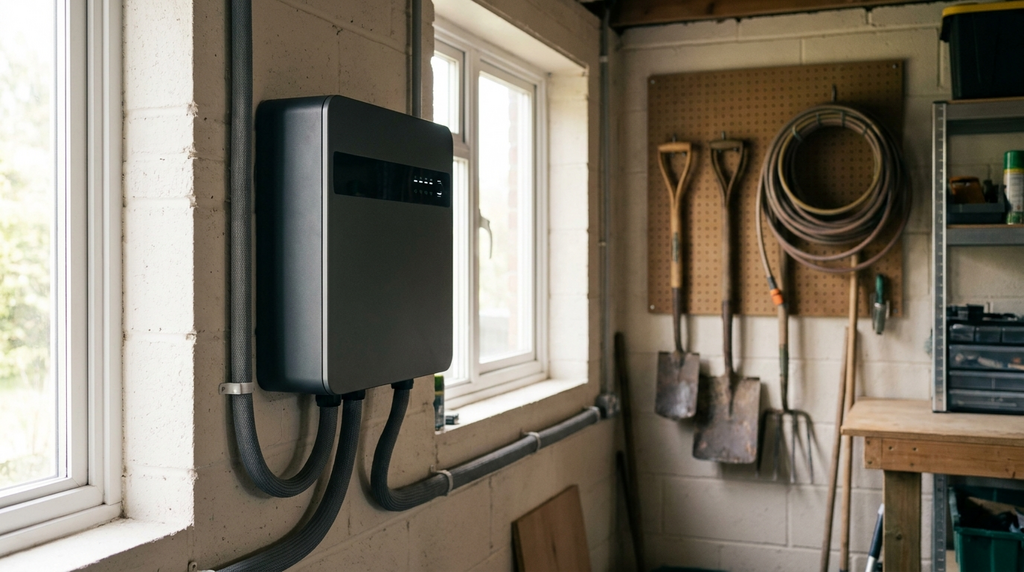
Solar panels reduce the amount of electricity you buy from your supplier. A 3.5kWp system in the UK generates around 2,900 kWh per year (Energy Saving Trust, 2026). If you use 50% of this at home, you could save roughly £275 per year on bills. Using more during daylight hours, for example running washing machines or charging devices, increases savings further. With a solar battery, you can store excess power for evening use, lifting self-consumption to around 80% and saving up to £550 annually.
Reducing your household carbon emissions
Solar panels generate electricity with zero carbon emissions during operation. The average UK home emits around 1.2 tonnes of CO₂ per year from grid electricity. A 3.5kWp solar system can offset 1.1 tonnes of CO₂ annually (UK Government Energy Trends, 2026). This makes solar panels one of the most effective single measures for cutting your household carbon footprint. Over a 25-year lifespan, the system avoids approximately 27.5 tonnes of CO₂, equivalent to taking a petrol car off the road for six years.
Earning income from exported electricity
Under the Smart Export Guarantee (SEG), energy suppliers pay you for electricity you send back to the grid. Typical SEG rates range from 3p to 15p per kWh, depending on your supplier (Ofgem, 2026). If you export 50% of your solar generation, that amounts to around 1,450 kWh per year. At an average rate of 5.5p per kWh, you could earn £80 annually. This income is tax-free for most households, and payments are made directly by your chosen SEG-licensed supplier.
A worked example
A typical 1930s semi-detached home in Manchester with a 3.5kWp solar panel system and a 5kWh battery can save around £550 per year on electricity bills after the 0% VAT reduction (in place until March 2027). The upfront cost for a quality installation, including the battery, is roughly £8,000 after applying the £7,500 Boiler Upgrade Scheme grant for an associated heat pump if you upgrade at the same time. Without a heat pump, the solar and battery system alone costs about £9,500. The Energy Saving Trust estimates a payback period of 12 to 15 years for solar panels with a battery, based on current electricity prices of around 28p per kWh. Over a 25-year lifespan, total savings on bills and SEG payments can reach £13,750. If your household income is under £31,000, you may qualify for ECO4 funding, which can cover the full installation cost.
| Item | Figure |
|---|---|
| Upfront cost after grants | £8,000 |
| Yearly savings | £550 |
| Payback period | 14 years |
| 25-year lifetime savings | £13,750 |
What homeowners often get wrong
The most common mistake is assuming solar panels are not worth it in the UK because of cloudy weather. This belief stops many homeowners from claiming thousands in savings and grants. Here are the three biggest misunderstandings.
- Panels need direct sunlight to work Modern solar panels generate electricity from diffuse daylight, not just direct sun. The UK gets enough daylight for a 3.5kWp system to produce 2,900 kWh per year, and missing out means losing £550 in annual savings.
- Batteries are always worth the extra cost A battery only pays back if you are home during the day to use the stored power. If you work away from home, you may export most of your solar electricity and a battery could add £2,000 to £3,000 to the upfront cost with minimal extra savings.
- Grants are easy to find and claim Many homeowners miss the ECO4 scheme because they assume they earn too much. The scheme targets low-income households, but eligibility is based on benefits or a household income under £31,000, and a missed application can mean paying the full £9,500 out of pocket.
Quick reference
- A 3.5kWp solar panel system in the UK typically generates 2,900 kWh of electricity per year.
- Installing solar panels with a battery can cut your annual electricity bill by up to £550.
- You must have an EPC rating of D or below to qualify for ECO4 solar panel funding.
- The Smart Export Guarantee pays you for excess electricity at rates between 5p and 15p per kWh.
- Solar panels still produce power on overcast days, generating about 10% to 25% of their rated output.
Frequently Asked Questions
A typical 3.5kWp system saves up to £550 annually if you use 80% of the electricity at home, according to the Energy Saving Trust (2026). If you use 50%, savings drop to around £275 per year.
Yes, a 3.5kWp solar system offsets 1.1 tonnes of CO₂ per year, reports UK Government Energy Trends (2026). This cuts the average home's grid electricity emissions by over 90%.
Yes, under the Smart Export Guarantee you earn a fixed rate for electricity you export to the grid, says Ofgem. Rates vary by supplier but typically range from 4p to 15p per kWh.