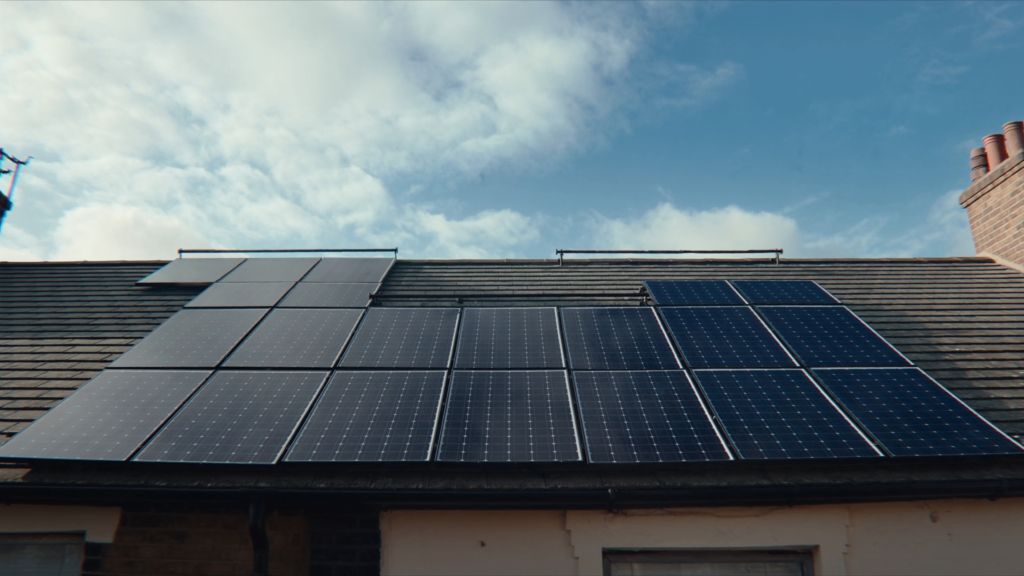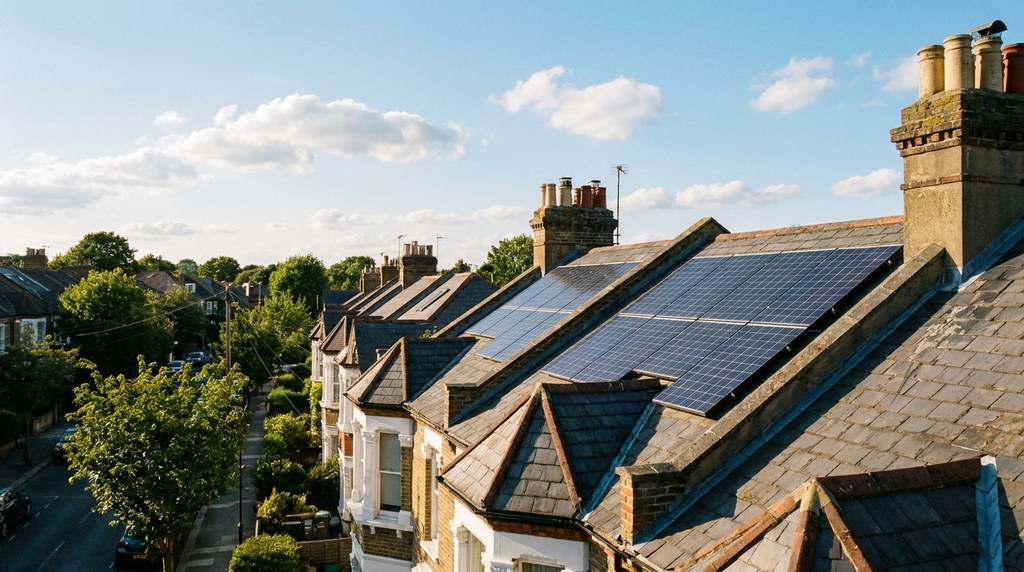
Octopus Flux pays roughly 50% more per kWh exported than the standard Smart Export Guarantee (SEG) rate.
If you have solar panels and a battery, the export tariff you choose directly affects how much you earn for electricity sent back to the grid. The Octopus Flux tariff offers variable rates that, on average, pay significantly more than the standard flat-rate Smart Export Guarantee (SEG).
Octopus Flux pays roughly 9p/kWh exported, which is 50% more than the average SEG rate of 6p/kWh. This time-of-use tariff offers higher rates during peak hours (4pm to 7pm), but requires solar panels, a battery, and a smart meter.
- Octopus Flux pays roughly 9p/kWh exported, 50% more than average SEG.
- Flux is a time-of-use tariff with peak rates from 4pm to 7pm.
- Eligibility requires solar panels, a compatible battery, and a smart meter.
- Your battery must have a minimum usable capacity of 5kWh.
- You must be an existing Octopus Energy customer to switch to Flux.
- Octopus Flux pays roughly 50% more per kWh exported than the standard Smart Export Guarantee (SEG) rate.
- Octopus Flux eligibility requires a solar battery and a smart meter.
- Who qualifies for the Octopus Flux tariff the detailed eligibility checklist.
- Who does NOT qualify for Octopus Flux common disqualifiers.
- How to verify your installer is MCS-certified for Octopus Flux.
- Quick numbers Octopus Flux export rates vs. typical SEG.
- How to apply for Octopus Flux and confirm your eligibility.
Octopus Flux pays roughly 50% more per kWh exported than the average SEG rate. The average SEG rate in 2026 is around 6p per kWh (DESNZ, 2026), while the average Octopus Flux export rate is approximately 9p per kWh across all time slots (Octopus Energy, 2026).
Flux is a “time-of-use” tariff. The rate you receive for exported electricity changes depending on the time of day. This means you earn the highest rate during peak demand hours (typically 4pm to 7pm), a lower rate during shoulder periods, and the lowest rate overnight and during the day. The headline 50% figure compares the average of these three Flux rates against the typical flat SEG rate, which pays the same amount 24 hours a day.
Octopus Flux eligibility requires a solar battery and a smart meter.
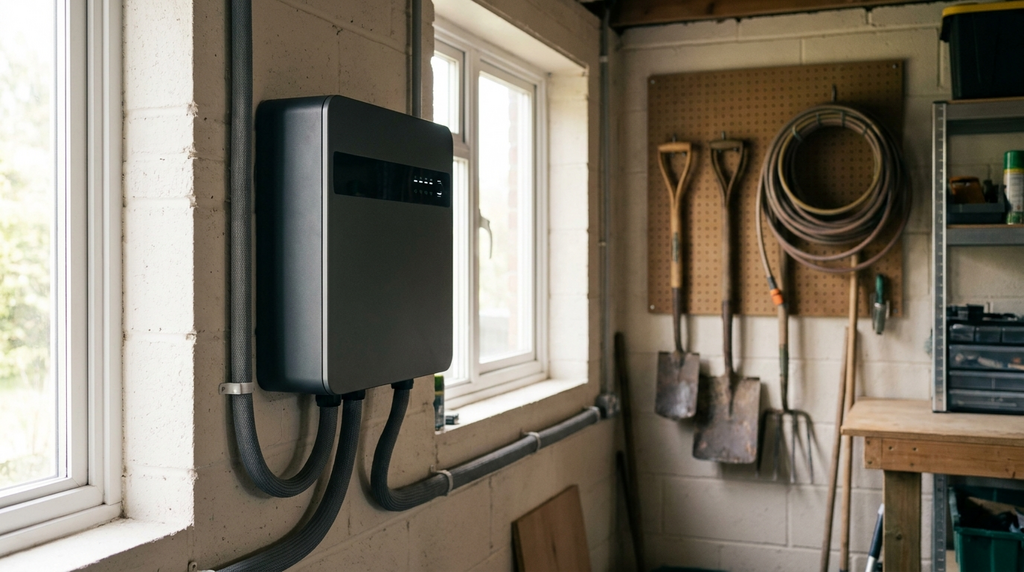
To join Octopus Flux, your home must meet three core requirements. You need solar panels, a compatible battery storage system, and a working smart meter.
Octopus Energy’s Flux tariff terms and conditions state that a battery is mandatory (Octopus Energy, 2026). The battery must have a minimum usable capacity of 5kWh. Your smart meter must be installed and communicating properly with the network. You must also be an existing Octopus Energy customer to switch to the Flux tariff.
If you do not have a battery, or if your smart meter is not functioning, you will not be able to apply. Octopus will check your smart meter data and battery compatibility before confirming your eligibility.
Who qualifies for the Octopus Flux tariff the detailed eligibility checklist.
To qualify for Octopus Flux, you must have solar panels, a compatible battery storage system (minimum 5kWh usable capacity), a functioning smart meter, and be an existing Octopus Energy customer. You cannot be on a different Octopus export tariff (e.g., Outgoing Fixed or Outgoing Agile).
Here is the detailed checklist for each requirement:
- Solar panels must be MCS-certified. The Microgeneration Certification Scheme (MCS) is a quality assurance standard for renewable energy products. Your solar panel installer must be registered with MCS, and your panels must meet MCS standards. You can check an installer on the MCS register (MCS Installer Database, 2026).
- Battery must be on Octopus’s approved list. Octopus Energy publishes a list of compatible battery models on its website (Octopus Energy, 2026). If your battery is not on this list, you cannot join Flux.
- Smart meter must be installed and communicating. Your smart meter must be in “smart mode” and sending readings automatically. Octopus will verify this during the application process.
- You must be an existing Octopus Energy customer. You cannot join Flux as a new customer. You need to switch your electricity supply to Octopus first, then apply for the Flux export tariff.
- You cannot have a heat pump on the same Flux tariff. Octopus policy currently excludes heat pumps from the Flux tariff (Octopus Energy, 2026). If you have a heat pump, you cannot use Flux for both export and import.
Who does NOT qualify for Octopus Flux common disqualifiers.
Several situations will disqualify you from the Octopus Flux tariff. Understanding these before you apply can save time.
- No battery or battery below 5kWh. Flux requires a compatible battery with at least 5kWh usable capacity. Without one, you cannot join.
- No smart meter or non-communicating smart meter. A working smart meter is essential for the time-of-use tariff to function.
- Non-MCS certified solar installer. If your solar panels were installed by a company not registered with MCS, your system cannot qualify for any SEG tariff, including Flux.
- Already on another Octopus export tariff. You cannot be on Outgoing Fixed, Outgoing Agile, or any other Octopus export tariff when you apply for Flux.
- Having a heat pump. Octopus policy states that Flux is not available to homes with a heat pump on the same tariff (Octopus Energy, 2026).
- Being on a different time-of-use import tariff. Homes on Octopus Agile or Octopus Go may face restrictions. Octopus policy may prevent you from combining Flux with these import tariffs (Octopus Energy, 2026). You can be on a standard import tariff, such as Octopus Fixed, without issue.
How to verify your installer is MCS-certified for Octopus Flux.
MCS certification is mandatory for your solar panels to qualify for any SEG tariff, including Octopus Flux. Without it, you cannot earn export payments.
To check your installer, go to the MCS Installer Database on the MCS website (MCS Installer Database, 2026). Enter the company name or postcode to see if they are listed. If the installer is not on the register, your panels will not qualify for Flux.
TrustMark is a separate requirement for government-backed schemes, but MCS is the specific requirement for Flux. The battery installer does not need to be MCS-certified. Only the solar panel installer must hold MCS certification.
Quick numbers Octopus Flux export rates vs. typical SEG.
| Tariff | Typical Export Rate (per kWh) | Time of Day Applicability |
|---|---|---|
| Octopus Flux (peak) | 25p | 4pm to 7pm |
| Octopus Flux (shoulder) | 15p | 7pm to midnight |
| Octopus Flux (off-peak) | 5p | midnight to 4pm |
| Average SEG (flat rate) | 6p | All day |
Rates are based on Octopus Energy’s Flux tariff page (Octopus Energy, 2026) and DESNZ SEG data (DESNZ, 2026). The average SEG rate of 6p per kWh is a national median figure. Individual SEG rates vary by supplier.
How to apply for Octopus Flux and confirm your eligibility.
The application process for Octopus Flux is straightforward. You start by logging into your Octopus Energy online account.
Go to the “Export” section of your account. Select “Flux” from the available tariff options and follow the on-screen prompts. Octopus will then check your smart meter data to confirm it is communicating and review your battery compatibility against their approved list. You may need to provide your MCS certificate number, which is issued when your solar panels are installed (GOV.UK, 2026).
The process from application to activation typically takes 2 to 4 weeks (Octopus Energy support, 2026). During this time, Octopus will confirm your eligibility and set up the time-of-use export rates on your account. Compare Octopus Flux vs Outgoing Fixed for battery owners How to choose the best SEG tariff for your solar battery system
Frequently Asked Questions
Octopus Flux pays an average of roughly 9p per kWh exported across all time slots, according to Octopus Energy (2026). This is about 50% more than the average flat-rate Smart Export Guarantee (SEG) of 6p per kWh, as reported by DESNZ (2026). The actual rate varies by time of day, with peak hours (4pm to 7pm) offering the highest pay.
Yes, a battery is mandatory for Octopus Flux. Octopus Energy's terms and conditions require a battery with a minimum usable capacity of 5kWh. Without a battery, you cannot join the tariff.
Octopus Flux pays roughly 50% more per kWh exported than the average flat-rate Smart Export Guarantee (SEG). The average SEG rate is 6p per kWh (DESNZ, 2026), while Octopus Flux averages 9p per kWh (Octopus Energy, 2026). Unlike the flat SEG, Flux is a time-of-use tariff with variable rates.
To qualify for Octopus Flux, you must have solar panels, a compatible battery with at least 5kWh usable capacity, and a working smart meter. You also need to be an existing Octopus Energy customer. Octopus will check your smart meter data and battery compatibility before approval.
No, a working smart meter is a core requirement for Octopus Flux. Your smart meter must be installed and communicating properly with the network. Without it, you cannot apply.