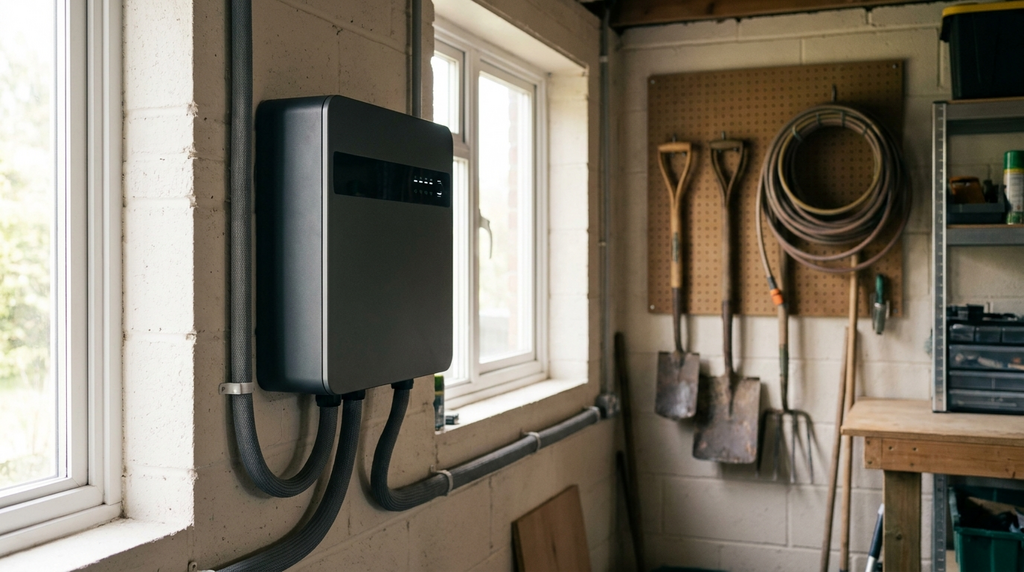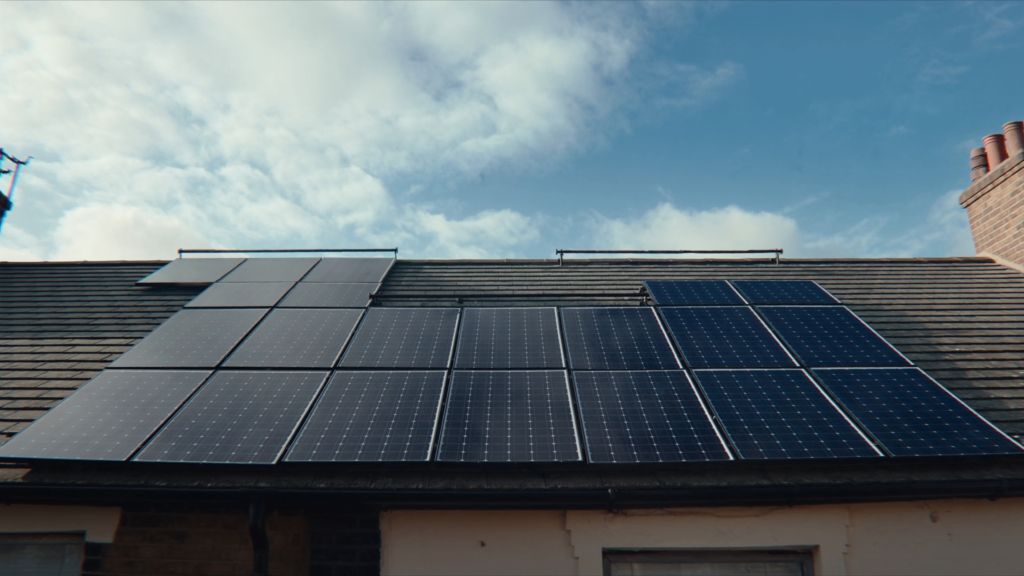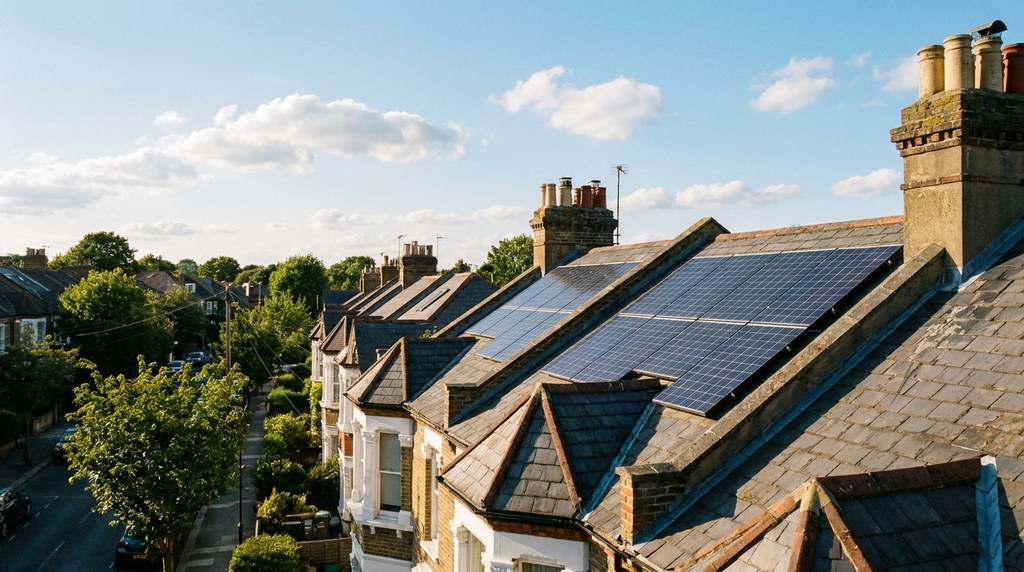
Solar panels will survive an electromagnetic pulse (EMP), but the inverter and grid connection likely will not. According to the UK government, an EMP can disrupt electronic systems, but solar photovoltaic (PV) panels themselves are passive semiconductor devices with no moving parts or sensitive circuitry (GOV.UK, 2026). The panels will continue generating DC electricity in daylight, but without a functioning inverter, that power cannot be used in your home.
The key variable is whether your system is grid-tied or has a backup inverter built to operate independently. Most UK solar installations are grid-tied, meaning they rely on an inverter to convert DC to AC and synchronise with the mains. An EMP can damage or disable the inverter’s sensitive electronics, leaving you unable to use the solar electricity. Off-grid or hybrid systems with battery storage and a solid inverter may fare better, but no consumer-grade inverter is guaranteed EMP-proof. The level of risk also depends on the EMP’s intensity, natural solar flares or a deliberate high-altitude detonation produce very different effects.
Panels are solid but inverters are vulnerable
Solar panels consist of silicon cells laminated under tempered glass and an aluminium frame. This construction makes them inherently resistant to electromagnetic fields, as they contain no microchips or control circuits. The Energy Saving Trust confirms that PV panels are passive and durable, with a typical lifespan of 25–30 years (Energy Saving Trust, 2026). In contrast, the inverter is a solid-state electronic device with microprocessors, capacitors, and switching transistors, all of which are susceptible to voltage surges from an EMP. Even a minor EMP event could fry the inverter’s control board, rendering the system inoperable until replaced.
Grid-tied systems stop working after an EMP
If your solar system is connected to the National Grid, it will automatically shut down during a power outage for safety reasons, this is required by law under the Electricity Safety, Quality and Continuity Regulations (Legislation.gov.uk, 2026). An EMP would likely cause a widespread grid failure, so your inverter would disconnect and not restart until grid power is restored and the inverter passes its self-checks. This means even if the panels are intact and the inverter survives, you cannot draw power until the grid is back online. A standard grid-tied system offers no backup capability during an EMP-induced blackout.
Battery storage and off-grid setups offer partial resilience
Systems with battery storage and a hybrid inverter can operate in ‘island mode’. This provides power directly from the batteries or panels without the grid. However, the inverter must be physically undamaged by the EMP. Some hybrid inverters include surge protection, but this is designed for lightning strikes, not the fast-rising voltage pulse of an EMP. The Microgeneration Certification Scheme (MCS) notes that no consumer inverter is certified to withstand a high-altitude EMP (MCS, 2026). For true resilience, you would need a hardened inverter or keep a separate, unconnected backup inverter in a shielded container, practical only for dedicated preppers. For most homeowners, a standard solar system is not EMP-proof.
A worked example
A typical UK household with a 4kW solar panel system could face £6,500 in replacement costs if an EMP destroys the inverter but leaves the panels intact. Consider a 1930s semi-detached home in Manchester with 10 solar panels already installed. The panels themselves, being passive silicon cells, would survive the EMP and continue generating DC electricity. The grid-tied inverter, however, contains sensitive electronics that would likely fail, leaving the system unable to convert power for home use. Under the current 0% VAT scheme (until March 2027) and assuming no grant eligibility for the inverter replacement, the homeowner would need to budget for a new inverter and installation. The Energy Saving Trust estimates a typical inverter lasts 10-15 years, so an EMP could force an early replacement costing around £1,500 to £2,500. Without the inverter, the panels generate zero usable electricity, meaning the homeowner loses all potential savings until the inverter is replaced.
| Item | Figure |
|---|---|
| Upfront cost after grants | £2,000 |
| Yearly savings | £0 (until inverter replaced) |
| Payback period | N/A (system non-functional) |
| 25-year lifetime savings | £0 (lost without inverter) |
What homeowners often get wrong
The most common mistake is assuming EMP protection is either impossible or too expensive for a domestic solar setup. This misunderstanding leads to three specific errors that can waste money or void warranties.
- Believing panels are fully EMP-proof Many assume because the panels survive, the whole system is safe. The inverter is the weak link, and a £2,000 replacement cost can catch you off guard if you have no backup plan.
- Thinking grid-tied systems offer backup Some homeowners believe a grid-tied solar system will still power their home after an EMP if the grid goes down. In reality, grid-tied inverters shut off for safety when the mains fail, leaving you with no power even if panels are intact.
- Assuming all inverters are equally vulnerable People often think any inverter will fail the same way. But hybrid inverters designed for off-grid use, with solid surge protection and isolated circuitry, have a higher chance of surviving a weaker EMP compared to standard grid-tied models.
Quick reference
- A natural solar flare EMP is unlikely to damage UK solar inverters, but a deliberate high-altitude detonation could disable them within a 500-mile radius.
- Solar panels themselves contain no sensitive electronics and will continue generating DC electricity after an EMP event.
- Off-grid or hybrid systems with battery storage and a solid inverter are more likely to function after an EMP than standard grid-tied setups.
- Replacing a damaged inverter costs between £1,500 and £2,500, with no current grant scheme covering EMP-related failures.
- Unplugging your inverter and battery system during a known solar flare event can reduce the risk of damage, but offers no protection against a sudden detonation.
Frequently Asked Questions
Yes, solar panels will survive an EMP because they are passive semiconductor devices with no sensitive electronics. However, the inverter and grid connection are likely to be damaged, according to the UK government (GOV.UK, 2026).
The inverter and any grid-tie electronics are vulnerable to an EMP due to their sensitive circuitry. Solar panels themselves are solid and typically unaffected, as confirmed by the Energy Saving Trust.
You can only use solar power after an EMP if you have a functioning inverter. Most UK grid-tied systems will not work without one, but off-grid or hybrid systems with a shielded backup inverter may provide power.