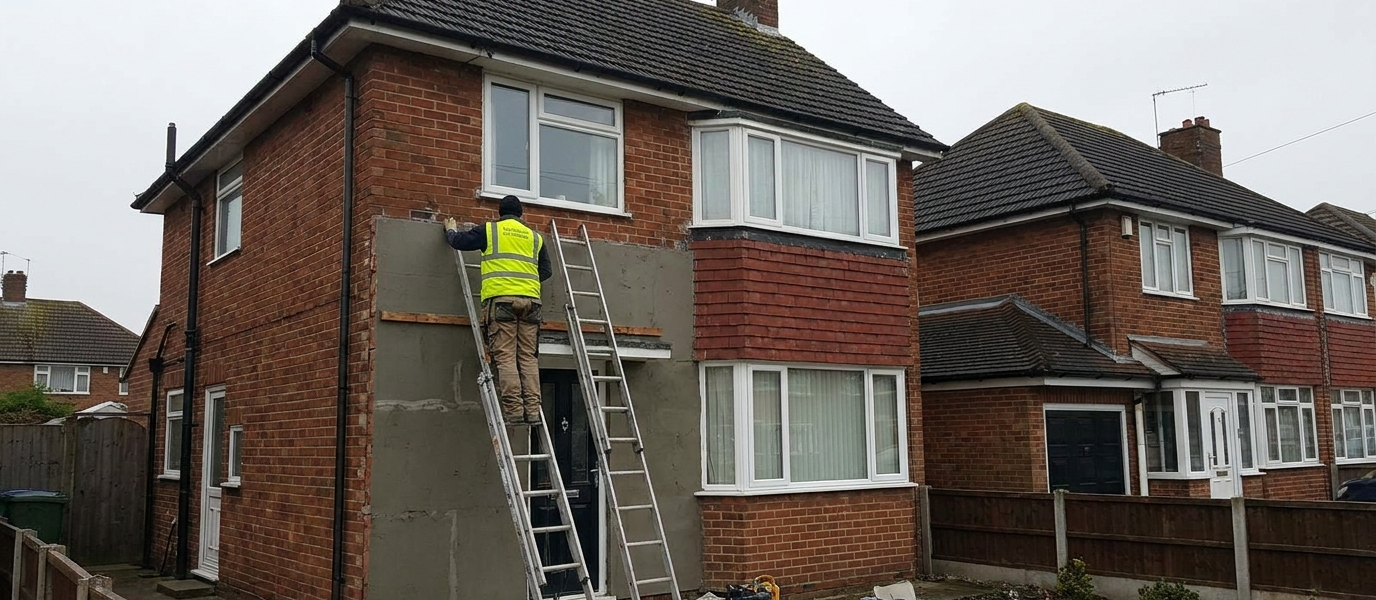
The UK government’s ECO4 scheme has spent over £1 billion since 2022 on free insulation, heating controls, and boiler upgrades for low-income households. Four arrests linked to the programme, reported by Inside Housing, now cast a shadow over every household considering these upgrades.
What the arrests mean for your grant
Ofgem administers ECO4 through energy suppliers, who subcontract installers. The arrests, made by the National Investigation Service, relate to alleged false claims for insulation work that was never completed or was substandard. For a homeowner, this means the free cavity wall or loft insulation you were promised might never arrive, or worse, could be installed incorrectly, leaving you with damp and a bill for remedial work. The typical cost of removing botched insulation is £1,500–£3,000, according to industry estimates. The catch is that if your installer is unaccredited, you may lose the grant and be liable for the full cost.
Who qualifies, and who doesn’t
ECO4 targets households on means-tested benefits or with an EPC rating of D or below. But the scheme’s complexity has created a market for cowboys. The UK government’s own impact assessment warned of a “high risk of fraud” in 2022. Since then, Ofgem has suspended 14 suppliers for non-compliance. Yet the arrests show enforcement remains patchy. Homeowners should check their eligibility directly via the Energy Saving Trust’s online tool, not through a cold-calling installer.
How to protect your home and your wallet
Three steps can cut your risk. First, only accept work from installers listed on TrustMark or the Microgeneration Certification Scheme (MCS) database. Second, demand a written contract that includes the scope of work, materials, and a completion date. Third, contact your energy supplier, not the installer, if the work is delayed or looks wrong. Ofgem can reallocate grants if fraud is proven, but only if you report it promptly. The typical 3-bed semi could save £300 a year on heating bills with proper insulation, but only if the job is done right.
What this misses is that ECO4’s design incentivises speed over quality. Suppliers are paid per property, not per successful outcome. Until the government ties payments to verified performance, say, a post-installation EPC audit, homeowners must do the vetting themselves. The Energy Saving Trust’s advice line (0800 444 202) is free and impartial.
To act: check your EPC rating on gov.uk. If you’re eligible for ECO4, call your energy supplier and ask for their approved installer list before agreeing to anything. The scheme runs until March 2027, don’t let fraudsters waste your time or your grant.
Frequently Asked Questions
ECO4 insulation is free for eligible low-income households under the UK government scheme. However, if you use an unaccredited installer, you could lose the grant and be liable for full costs, with botched insulation removal typically costing £1,500–£3,000.
ECO4 targets households on means-tested benefits or with an Energy Performance Certificate (EPC) rating of D or below. You can check eligibility via the Energy Saving Trust's online tool, not through cold-calling installers.
Only accept work from installers listed on TrustMark or the Microgeneration Certification Scheme (MCS) database. Also, demand a written contract with scope, materials, and completion date before work starts.
Contact your energy supplier, not the installer, immediately if work is delayed or looks incorrect. Ofgem can reallocate grants if fraud is proven, but only if you report it promptly.
A typical 3-bed semi-detached home could save around £300 per year on heating bills with proper insulation. However, this depends on the job being done correctly by an accredited installer.




