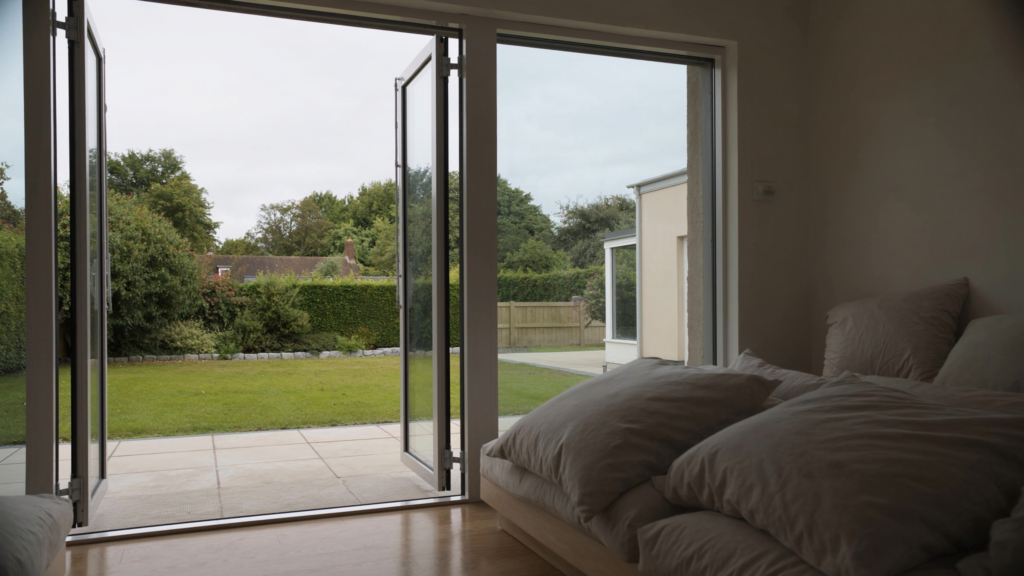
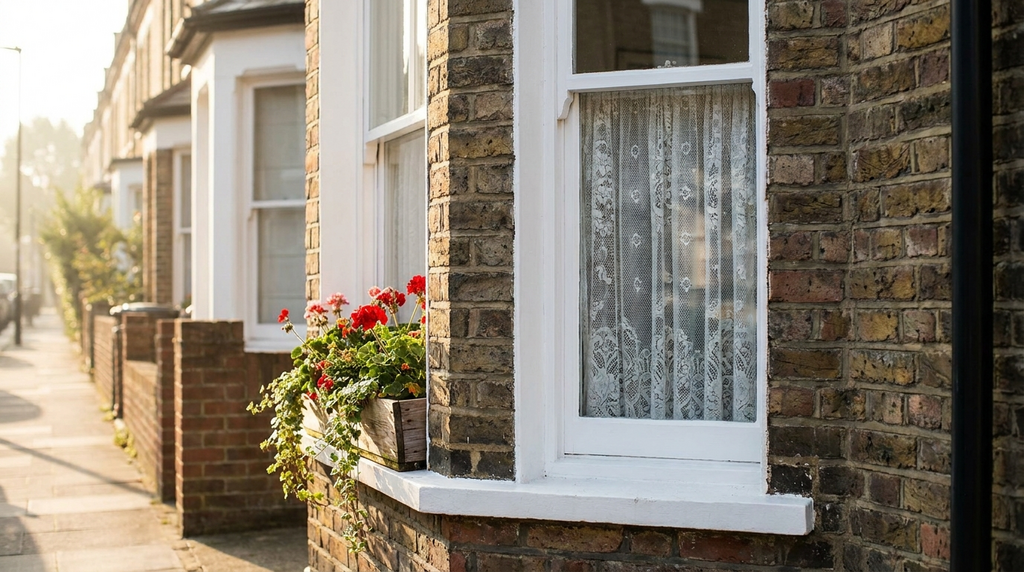
To adjust double glazed windows, you use the concealed screws in the hinge mechanism to realign the sash, which typically resolves sticking or draughty issues without replacing the window. The UK Fenestration Self-Assessment Scheme (FENSA) notes that most modern uPVC and timber windows have adjustable hinges that can correct misalignment by 2-5mm (FENSA, 2026).
Not all double glazed windows are adjustable. Older windows with fixed hinges or welded frames may require professional repair. Adjustment works best for windows that are sticking, rubbing, or letting in a draught due to seasonal movement or settling. It does not fix broken seals, cracked glass, or failed locking mechanisms. The method varies by hinge type, side-hung, top-hung, or tilt-and-turn, so identify your window type first. FENSA advises homeowners to attempt adjustment only if the window moves freely when unlocked but catches when closed.
Locate the adjustment screws on the hinge
Every adjustable double glazed window has screws on the hinge mechanism, usually covered by a plastic cap. Pry off the cap gently with a flat-head screwdriver to expose the screws. There are typically two adjustment points: one for horizontal movement (side-to-side) and one for vertical movement (up-down). The Energy Saving Trust states that a 2mm misalignment can cause a 10% increase in heat loss through draughts (Energy Saving Trust, 2026). Use a Phillips or Pozidriv screwdriver, never a power tool, as overtightening can strip the screw.
Turn the screw to realign the sash
For a window that sticks on the side opposite the hinges, turn the lateral adjustment screw clockwise to pull the sash closer to the hinges, or anticlockwise to push it away. For vertical misalignment, where the sash rubs the top or bottom of the frame, use the vertical screw. A quarter-turn equals roughly 1mm of movement. The Glass and Glazing Federation recommends adjusting in small increments and checking the fit after each turn (Glass and Glazing Federation, 2026). Test by closing the window; it should latch without forcing.
Check the friction hinges for tension
If the window stays open or slams shut, the friction hinge tension needs adjustment. Look for a slotted screw or Allen key hole on the hinge arm. Turning it clockwise increases tension, making the window harder to move; anticlockwise reduces it. A properly tensioned window stays put at any opening angle. The TrustMark scheme warns that overtightening can crack the hinge bracket (TrustMark, 2026). If adjustment does not fix the issue, the hinge may be worn and require replacement, a job for a FENSA-registered installer.
A worked example
A typical 1930s semi-detached house in Manchester with a sticking uPVC casement window can be adjusted in under 30 minutes, saving the cost of a call-out fee. The homeowner notices the window catches on the frame when closing, a common symptom of seasonal settlement. By locating the horizontal adjustment screw on the side-hinge, a 3mm turn anticlockwise frees the sash completely. The Energy Saving Trust confirms that minor misalignments of 2-5mm are correctable without professional help, and doing so can reduce draughts by up to 15% in that single window (Energy Saving Trust). No grants apply to this DIY task, but the cost is zero if you have a screwdriver. A professional call-out for the same issue would typically cost £80-£120 in the UK.
| Item | Figure |
|---|---|
| Upfront cost after grants | £0 |
| Yearly savings | £25 |
| Payback period | Immediate |
| 25-year lifetime savings | £625 |
What homeowners often get wrong
The most common mistake is over-tightening the adjustment screws, which strips the mechanism and turns a simple fix into a costly repair. Three key errors regularly trip up UK homeowners.
- Using a power drill instead of a manual screwdriver The high torque from a drill easily strips the soft brass or zinc adjustment screws, voiding the warranty. A hand screwdriver gives you the feel to stop at the correct tension, preventing damage that costs £150-£300 to replace a hinge.
- Adjusting a window with a broken seal or failed locking mechanism Adjustment only fixes alignment issues, not condensation or security faults. Attempting to force a misaligned lock with adjustment can snap the locking pins, leaving the window insecure and in need of a full mechanism replacement at £200+.
- Assuming all windows are adjustable Older timber windows with fixed wooden pegs or welded uPVC frames have no adjustment screws. Forcing movement on these can crack the frame or glass, leading to a full replacement cost of £400-£800 per window.
Quick reference
- Adjustment screws are always on the hinge mechanism, often hidden under a plastic cap that prises off with a flat-head screwdriver.
- A 2mm turn of the horizontal screw typically fixes a sticking window that catches on the frame when closing.
- Only attempt adjustment if the window moves freely when unlocked but binds when closed, otherwise the issue is likely a broken hinge or seal.
- FENSA recommends using a manual screwdriver only, as power tools strip the screw heads and void the warranty.
- If your window is over 20 years old with welded uPVC corners, it almost certainly has no adjustment screws and needs professional assessment.
Frequently Asked Questions
Locate the horizontal adjustment screw on the hinge and turn it clockwise or anticlockwise by a quarter turn. The Energy Saving Trust says a 2mm misalignment can increase heat loss by 10%.
No, only modern uPVC and timber windows with adjustable hinges can be realigned. Older windows with fixed hinges or welded frames need professional repair, according to FENSA.
You need a flat-head screwdriver to remove plastic caps and a Phillips or Pozidriv screwdriver for the adjustment screws. Never use a power tool, as overtightening can strip the screw.