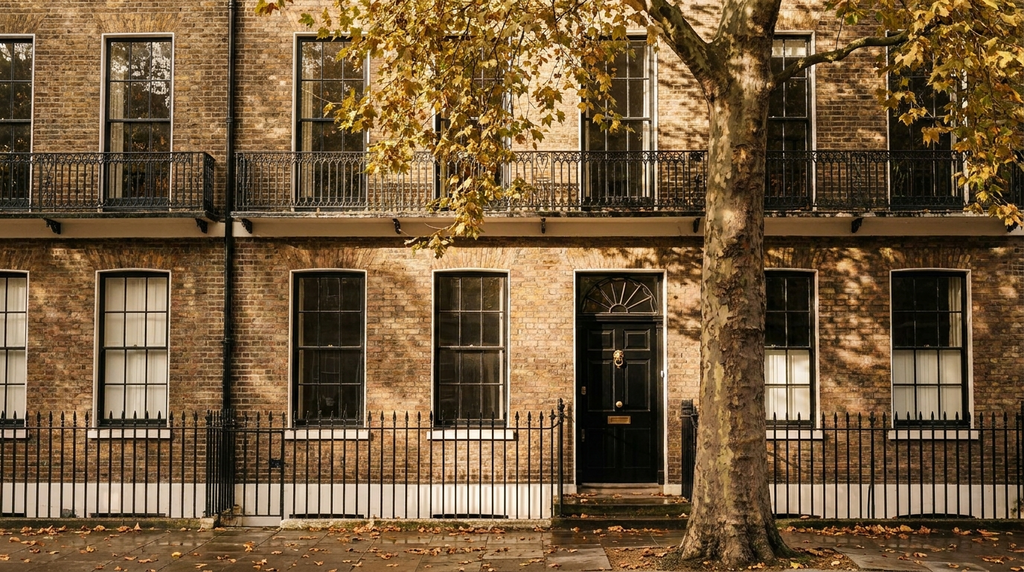
The warm home you want is also the one that costs less to heat
Hygge (pronounced hoo-gah) is the Danish concept of cosiness, comfort, and wellbeing. For UK homeowners in 2026, hygge aligns directly with energy efficiency because both prioritise a warm, draught-free, low-energy home. The average UK household spends £1,800–£2,200 annually on heating (Ofgem, 2026 price cap data).
Hygge UK homes can cut heating costs by 20-35%, saving £360-£770 yearly from an average £1,800-£2,200 bill (Ofgem, 2026). Upgrades like draught-proofing and insulation pay back in 2-8 years.
- Draught-proofing costs £200-£400 and saves £100-£150 yearly.
- Loft insulation to 270mm saves £150-£200 per year.
- Cavity wall insulation saves £200-£300, payback in 2-4 years.
- Underfloor insulation costs £800-£1,500, saves £100-£200 annually.
- Double or triple glazing saves £100-£200 per window each year.
- The warm home you want is also the one that costs less to heat
- The three energy-wasting problems that kill hygge in UK homes
- Quick numbers what hygge upgrades cost and save
- Hygge is not about turning up the thermostat, it is about stopping heat from leaving
- The hygge lighting and appliance swap that cuts electricity use
- How to verify your hygge upgrades are done properly
- The direct answer does hygge save you money on energy bills in the UK in 2026?
A hygge-focused home that reduces heat loss can cut that bill by 20–35% without sacrificing comfort. This article explains what hygge means for your energy use, what it costs to achieve, and how quickly the savings pay back.
The three energy-wasting problems that kill hygge in UK homes
Draughts are the single biggest enemy of hygge. Cold air moving across a room makes it feel 3–5°C colder than the thermostat reads (EST, 2026, “Draught-proofing your home”). Poor insulation means walls, floors, and ceilings radiate cold, forcing you to turn up the heating to compensate. Single-glazed or old double-glazed windows lose heat 10–20 times faster than a well-insulated wall (GOV.UK, Building Regulations Approved Document L, 2026).
The result is you spend more money but still feel chilly, the opposite of hygge. Fixing these three problems is the foundation of any hygge energy makeover.
Quick numbers what hygge upgrades cost and save
| Upgrade | Typical cost (2026) | Annual saving | Payback period | Grant/Support available |
|---|---|---|---|---|
| Draught-proofing (windows, doors, floorboards) | £200–£400 | £100–£150 | 2–3 years | Up to £1,500 via ECO4 (GOV.UK, “ECO4 scheme guidance”, 2026) |
| Loft insulation (top-up to 270mm) | £300–£500 | £150–£200 | 2–3 years | 100% grant if on means-tested benefits (EST, “Loft insulation”, 2026) |
| Cavity wall insulation | £500–£1,000 | £200–£300 | 2–4 years | Up to £2,500 via Great British Insulation Scheme (DESNZ, 2026 release) |
| Underfloor insulation (suspended timber floor) | £800–£1,500 | £100–£200 | 4–8 years | No direct grant; may qualify under ECO4 flex rules |
| Double or triple glazing (per window, installed) | £800–£1,500 | £100–£200 per window | 5–10 years | No grant for standard replacement; VAT reduced to 0% until 2027 (HMRC, 2026) |
| Thick curtains and thermal blinds | £50–£200 per window | £20–£50 per window | 1–4 years | No grant |
All figures are for a typical 3-bed semi-detached home in England. Savings are approximate and depend on your current insulation levels and heating system. Source for all costs and savings: EST, “Home insulation cost guide”, 2026; MCS register, “Installer cost data”, 2026.
Hygge is not about turning up the thermostat, it is about stopping heat from leaving
The Danish concept of hygge relies on a stable, even warmth, not blasts of hot air from radiators. A well-insulated home with no draughts holds heat for hours after the heating switches off. This means you can use a programmable thermostat or smart heating to run the system less often.
A typical result is heating runs 4–6 hours per day instead of 8–10, saving 30–50% on gas bills (Ofgem, “Smart heating savings”, 2026). The payback on insulation upgrades is faster when combined with smarter heating controls. Learn more about smart thermostats and heating controls
The hygge lighting and appliance swap that cuts electricity use
Hygge lighting is warm, dim, and layered, not bright overhead LEDs. Replace standard LED bulbs with dimmable warm-white (2700K–3000K) bulbs; cost £5–£15 each, save nothing on energy vs standard LEDs but improve comfort. Use table lamps and floor lamps instead of ceiling lights to create pools of light; this uses less electricity because you light only the area you occupy.
Smart plugs and dimmer switches (£20–£50 per room) let you control lighting from your phone and set timers. Standby power from TVs, game consoles, and chargers costs the average UK home £70–£100 per year (EST, “Standby power”, 2026). A hygge home turns off devices at the wall, saving that £70–£100 annually with zero upfront cost. See our guide to reducing standby power waste
How to verify your hygge upgrades are done properly
All insulation and draught-proofing work must be carried out by an MCS-certified installer if you want to claim a grant or sell the home with a valid EPC (MCS register, “Find an installer”, 2026). Cavity wall insulation must be installed by a CIGA-registered installer (Cavity Insulation Guarantee Agency, 2026). Double glazing must comply with Building Regulations Part L and be installed by a FENSA-registered company (GOV.UK, “Building regulations: glazing”, 2026).
Smart heating controls should be installed by a Gas Safe registered engineer if they connect to a gas boiler (Gas Safe Register, 2026). Always get at least three quotes and check the installer’s certification before paying a deposit. The Energy Saving Trust provides a free “Find an installer” tool at energysavingtrust.org.uk.
The direct answer does hygge save you money on energy bills in the UK in 2026?
Yes, a hygge-focused home saves money because it prioritises draught-proofing, insulation, and efficient heating controls, the same measures that reduce heat loss. The average UK household can save £300–£600 per year by implementing the basic hygge upgrades listed above (EST, “Energy saving at home”, 2026).
Upfront costs range from £200 (draught-proofing) to £5,000+ (full double glazing), with payback periods from 1 to 10 years. The Great British Insulation Scheme closed on 31 March 2026. It funded insulation measures only and never covered windows or glazing. The Danish experience shows that hygge is not expensive. It is about making the most of what you have, which in UK homes means stopping heat from escaping.
Frequently Asked Questions
Hygge is the Danish concept of cosiness and comfort. In a UK home, it means a warm, draught-free space that also cuts heating costs by 20-35%, according to Ofgem 2026 data.
Draught-proofing costs £200-£400, loft insulation £300-£500, cavity wall insulation £500-£1,000, and underfloor insulation £800-£1,500. The Energy Saving Trust says payback ranges from 2 to 8 years.
Yes. Reducing heat loss with hygge upgrades can cut annual heating bills by 20-35%, saving £360-£770 per year on average UK costs of £1,800-£2,200 (Ofgem, 2026).
Draught-proofing pays back in 2-3 years, loft insulation in 2-3 years, cavity wall insulation in 2-4 years, and double glazing in 5-10 years, based on Energy Saving Trust data.




