What new windows actually cost in the UK in 2026
Replacing all the windows in a typical three-bed semi costs between £3,500 and £7,500 in 2026 for uPVC double glazing, with individual windows running from about £300 to £1,200 fitted. The range is wide because two quotes for the “same” job can include very different windows, frame finishes and glass. Before you compare prices, it helps to know what actually moves the number, because the cheapest quote and the best-value quote are rarely the same thing.
uPVC is still the most affordable option. Aluminium typically costs 30-50% more for an equivalent specification, and timber sits in between on price but lasts longest if you maintain it. Figures here are broadly in line with Federation of Master Builders trade data.
Window prices by material
| Material | Cost Per Window | Lifespan | Maintenance |
|---|---|---|---|
| uPVC | £300-£600 | 20-25 years | Low |
| Timber | £500-£900 | 30-60 years | High |
| Aluminium | £500-£1,000 | 30-45 years | Very low |
| Composite | £600-£1,200 | 35-50 years | Low |
Lifespan matters more than the sticker price. A timber sash window costs more upfront and needs repainting every few years, but a well-maintained one can outlast three uPVC replacements. On a period property it can also be the difference between a sympathetic restoration and one that hurts the home’s value.
What actually drives your quote
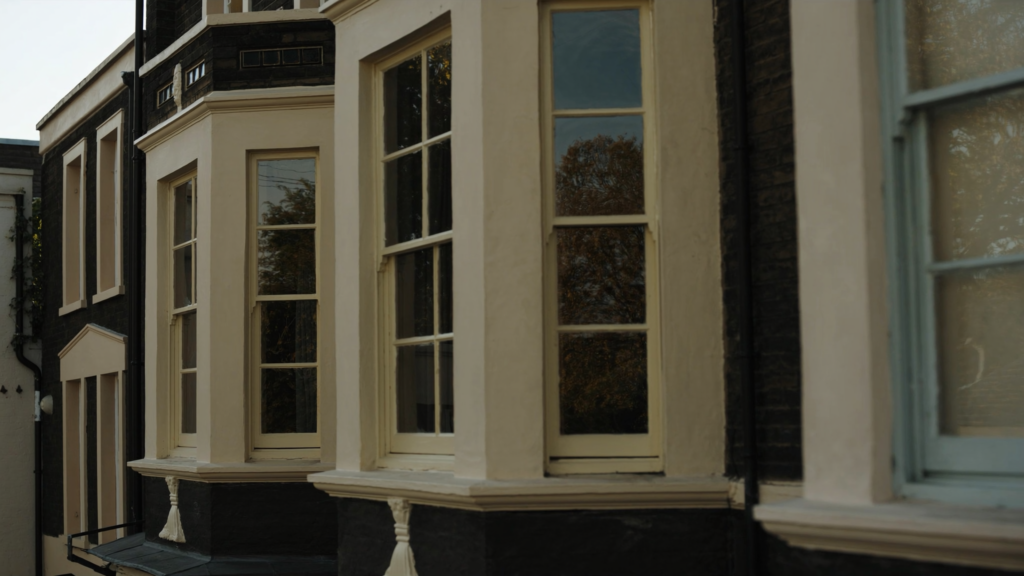
- Size and style: a standard 1200x1200mm casement is the cheapest unit. A bay, a sash or a large picture window can cost 40-100% more for the same material. Casement windows are almost always the value choice.
- Frame finish: a woodgrain foil or anthracite-grey frame typically adds 10-15% over standard white uPVC. It is purely cosmetic, so it is an easy place to save if budget is tight.
- The glass: standard A-rated double glazing is the baseline. Toughened safety glass (needed near doors and low level), acoustic laminated glass, or triple glazing all add cost.
- Access: upper-floor windows need scaffolding, which adds roughly £500-£1,000 to a whole-house job regardless of how many windows are up there.
- Where you live: regional pricing varies by up to 25%, with London and the South East dearest and the North East and Wales typically cheapest.
A worked example: a 3-bed semi
Take a typical semi with eight windows, A-rated white uPVC casements, double glazed, one bay at the front and two upstairs needing scaffolding:
- Six standard casements at about £450 fitted: £2,700
- One bay window: £900
- Scaffolding for the upstairs pair: £700
- Removal, disposal and making good: roughly £400
- Total: around £4,700, comfortably inside the £3,500-£7,500 range, with FENSA registration included.
Swap white uPVC for anthracite, or casements for sash, and the same house can climb past £7,000. The windows themselves are the same panes of glass; the difference is style and finish.
Energy ratings and building regs
Replacement windows must meet building regulations, which currently means a U-value no higher than 1.4 W/m²K, or a Window Energy Rating of band C or above. Most modern A-rated units beat this comfortably at around 1.2 W/m²K. Your installer must either be registered with a competent-person scheme like FENSA (so they self-certify the work) or you have to apply to building control yourself, which is slower and costs more.
Will new windows pay for themselves?
It is worth being honest here. Replacing old but functional double glazing rarely pays back on energy savings alone. The Energy Saving Trust puts the bill saving from upgrading old double glazing to A-rated at well under £100 a year for most homes, so a £5,000 job could take decades to recoup on energy alone. Going from single glazing or failed, misted units is a different story, with larger savings and a real comfort gain.
So buy new windows for the reasons they actually deliver: warmer rooms, less draught, far less outside noise, no more condensation or rot, better security, and kerb appeal that helps at sale. Treat the energy saving as a welcome bonus rather than the business case.
Hidden costs to budget for
Scaffolding adds £300-£800 for upper-floor access. Removing and disposing of old frames runs £50-£100 per window. Re-plastering and decorating around the new frames adds £30-£60 per window and is often left out of headline quotes. FENSA certification costs the installer about £60 and is usually included, but confirm it is, because you will need the certificate when you sell.
One thing that is not a saving: unlike insulation, solar and heat pumps, replacement windows do not qualify for the 0% VAT on energy-saving materials, so expect standard 20% VAT on the job.
How to avoid overpaying
Order all the windows in one go rather than room by room, so you pay for one installation visit and one lot of scaffolding. Stick to standard sizes and white uPVC where looks allow. Get at least three quotes from TrustMark or FENSA-registered installers for the identical specification, and ask each to itemise the glass, the frame finish and the scaffolding so you are comparing like for like. Quieter winter months (November to February) are when installers are most likely to discount. If a quote will not break down its costs, that is a reason to walk away. If you are on a low income or certain benefits, check whether the Great British Insulation Scheme or a local council scheme could contribute.