Wholesale gas touched €100 a megawatt hour this week, a level last reached during the 2022 crisis. The Independent reports that the move has raised the question every household asks: will it hit UK bills? The short answer is yes, but not immediately and not evenly.
What €100/MWh actually means for a UK bill
Ofgem’s price cap is set quarterly and lags the wholesale market by roughly three to six months. Gas bought at €100 in October shows up in the January cap, not the October one. The Independent’s second piece, why UK energy bills could be set to soar again next year, makes the same point: the pass-through is real but delayed.
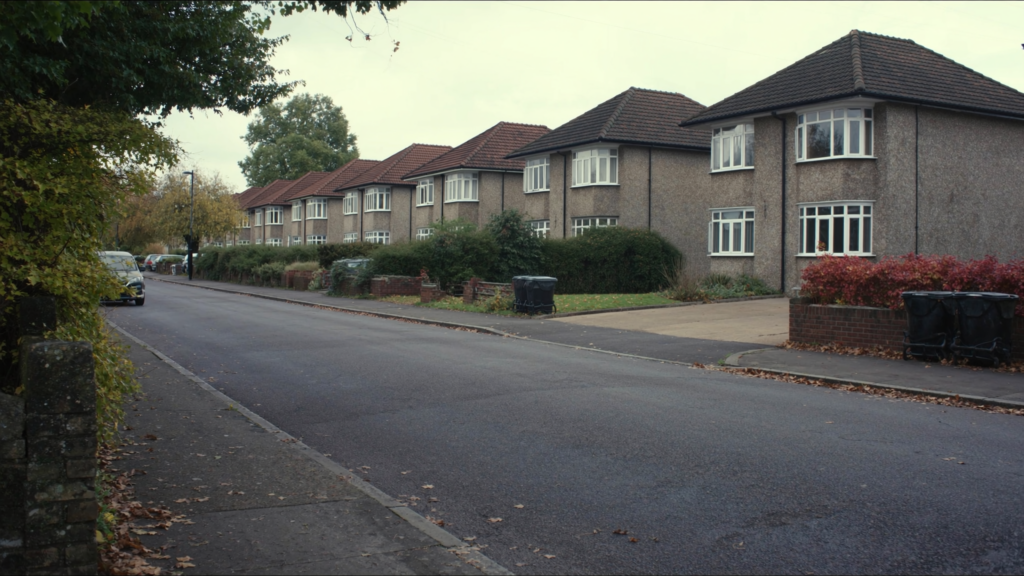
Put a number on it. A typical 3-bed semi uses about 12,000 kWh of gas and 2,700 kWh of electricity a year. Under the current cap that is roughly £1,750 on a dual-fuel standard variable tariff. Every 10% rise in the cap adds about £150 a year. A return to 2022-style wholesale prices would add £400 to £600, not the £2,500 of the worst quarter.
The Independent’s third piece, on European gas prices hitting a 2022 record, notes that the UK is more exposed than most because storage at Rough is only about 12 days of demand. That is a structural fact, not a forecast.
Why this time is different from 2022
The cap is no longer shielding households from the full wholesale price. The Energy Price Guarantee ended in 2023. What remains is a cap on unit rates and standing charges, not a subsidy. So a €100 gas market feeds through faster than it did three years ago, when the Treasury absorbed part of the shock.
But the UK also burns less gas for electricity than it did in 2022. Wind and solar have displaced roughly 20 terawatt hours of gas generation since then, according to National Grid ESO data. That means a gas spike hits heating bills harder than electricity bills, which reverses the pattern most homeowners remember.
The catch is standing charges. They are rising regardless of wholesale prices, because they cover network costs and supplier failures. Ofgem has signalled they will rise again in April. A household that cuts gas use but keeps a gas connection will still pay the standing charge, typically £110 a year.
What a homeowner can actually control
Three levers, in order of payback at current prices.
Insulation. Loft insulation to 300mm costs £300 to £600 for a semi and saves £150 to £250 a year at current gas prices. Cavity wall filling costs £500 to £1,000 and saves £200 to £350. Both are covered for low-income households under ECO4, which runs to March 2026 and is delivered through obligated suppliers, not the council.
Glazing and doors. Double glazing replaces single panes at £300 to £500 a window. The payback is 10 to 15 years at today’s prices, so it is a comfort measure more than a bill measure. Do it when windows fail, not before.
Heat pump. The Boiler Upgrade Scheme gives £7,500 off an air-source heat pump, £5,000 off a ground-source one. It is not means-tested and is available to any homeowner in England and Wales with a valid EPC. A well-insulated 3-bed semi typically needs an 8kW to 10kW unit, costing £9,000 to £14,000 before the grant.
The honest caveat: a heat pump only cuts bills if the fabric is done first. Install it into a leaky semi and the running cost can match a gas boiler. Insulate, then electrify.
The grant picture for winter 2026-27
ECO4 closes to new referrals in March 2026, with ECO5 not yet confirmed. The Great British Insulation Scheme (GBIS) is the current route for cavity and loft work for households in bands D to G. HUG2, the Home Upgrade Grant, is administered by councils for off-gas-grid homes and closes in March 2026 in most areas.
For owner-occupiers above the means test, the only universal grant is the Boiler Upgrade Scheme. The 0% VAT rate on heat pump installation and energy-saving materials runs to March 2027, which effectively adds another £1,500 to £2,500 of value on a typical installation.
What to do before the January cap announcement
Ofgem announces the January cap in late November. Three things worth doing this month.
First, check your EPC. If it is band D or below, book a retrofit assessment through a TrustMark-registered installer. The assessment costs £150 to £300 and identifies the cheapest measures for your specific house.
Second, if you are on a standard variable tariff and your supplier offers a fixed deal at or below the current cap, the maths has shifted. A two-year fix at today’s rates is now a hedge against the €100 gas market, not a gamble.
Third, apply for the Boiler Upgrade Scheme through an MCS-certified installer before the grant value is reviewed in the spring. Applications are open now at gov.uk and take about six weeks from survey to commissioning.
The bill shock is coming. The household that acts in November pays for it once; the household that waits pays for it every quarter.
Frequently Asked Questions
Not immediately. The January 2027 price cap reflects wholesale prices from roughly July to September 2026, so the current spike mostly affects the April 2027 cap. Expect a smaller rise in January and a larger one in April if prices stay elevated.
Yes. The £7,500 air-source grant remains open to homeowners in England and Wales with a valid EPC. Apply through an MCS-certified installer; the grant is deducted from the quoted price, not paid to you afterwards.
If a supplier offers a fix at or below the current cap, it is worth considering as a hedge. But check the exit fees and whether the fix covers standing charges, which are rising independently of wholesale prices.