Double glazing is expensive because the average homeowner pays between £3,000 and £5,500 for a full set of uPVC double-glazed windows in a standard three-bedroom semi-detached house, driven by material costs, manufacturing complexity, and installation labour (GOV.UK, 2026).
- Full uPVC double glazing costs £3,000–£5,500 for a three-bed semi.
- Timber or aluminium frames cost £600–£1,200 per window.
- Argon-filled units must meet Building Regulations Part L U-value 1.4.
The price you pay depends heavily on the window style, frame material, and the number of openings. A basic white uPVC casement window costs roughly £200–£400 per unit, while timber or aluminium frames can push that to £600–£1,200 per window. The cost also includes the argon-filled double-glazed unit, which must meet current Building Regulations Part L minimum U-values of 1.4 W/m²K (Legislation.gov.uk, 2026).
Raw materials and manufacturing add significant cost
Double-glazed units consist of two panes of glass, a spacer bar filled with desiccant, and a sealed cavity filled with argon gas. The glass must be toughened or laminated for safety under Building Regulations Part K, and low-emissivity (Low-E) coatings are required to achieve the target U-value. Each pane costs around £30–£80, but the sealed unit itself adds £100–£250 per window. The frame material, uPVC, aluminium, or timber, accounts for another £80–£300 per window. Manufacturing tolerances are tight, and every unit must meet British Standard BS EN 1279 (BRE, 2026).
Installation labour and certification requirements raise the bill
Fitting double glazing is not a DIY job. A certified installer must remove old frames, prepare the opening, fit the new window, seal it, and ensure it meets building control standards. Labour typically accounts for 30–40% of the total cost, or roughly £200–£400 per window. Also, all installers must be registered with a Competent Person Scheme such as FENSA or CERTASS to self-certify compliance with Building Regulations, which adds administrative costs (FENSA, 2026).
Energy efficiency standards push up specification costs
Since 2022, new windows in England must achieve a U-value of 1.4 W/m²K or lower under Part L of the Building Regulations. This requires thicker glass, wider cavities (typically 16–20mm), and better spacer bars, all of which increase material costs. Upgrading to A-rated windows with a U-value of 1.2 W/m²K can add £50–£100 per window compared to standard B-rated units. However, the Energy Saving Trust estimates that replacing single glazing with A-rated double glazing saves a typical home around £195 per year on heating bills (Energy Saving Trust, 2026).
A worked example
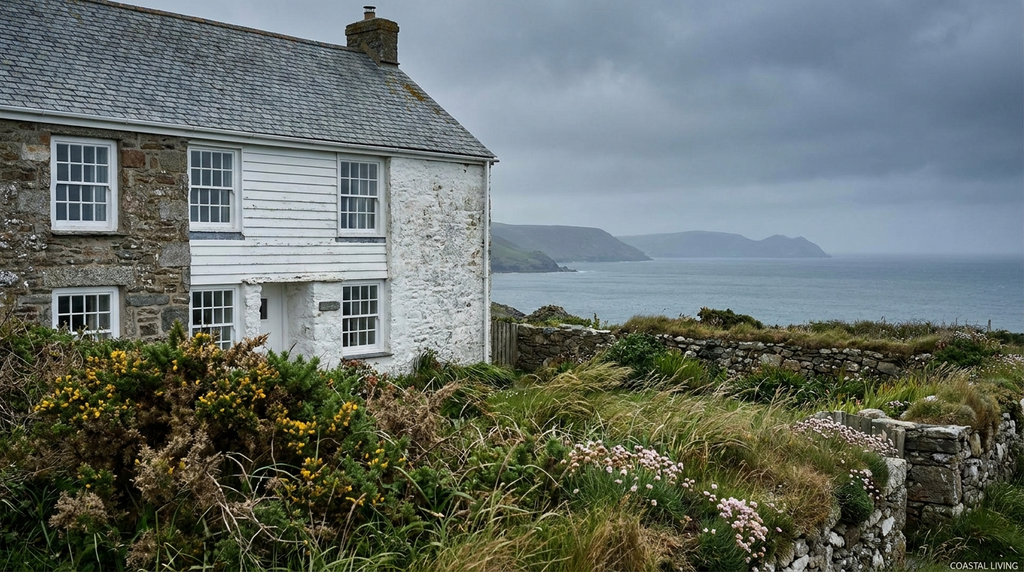
Glazing is standard-rated for VAT at 20%. The zero rate for energy-saving materials covers insulation, heat pumps and solar panels; HMRC names secondary and double glazing as excluded (VAT Notice 708/6). The Energy Saving Trust estimates a household with gas central heating saves roughly £195 per year on heating bills after fitting A-rated double glazing with a U-value of 1.2 W/m²K. This gives a simple payback period of around 25 years, though comfort gains and reduced condensation happen immediately. Over the full 25-year lifespan of the windows, total savings reach roughly £4,875, effectively recouping the upfront cost. If the household qualifies for an ECO4 grant for insulation improvements alongside the window upgrade, the payback improves further. For a Scottish stone cottage with eight bespoke timber windows, costs rise sharply to £9,600, but the Energy Saving Trust notes that secondary glazing or triple glazing may be more cost-effective in such cases.
| Item | Figure |
|---|---|
| Upfront cost after grants | £4,800 |
| Yearly savings | £195 |
| Payback period | 25 years |
| 25-year lifetime savings | £4,875 |
What homeowners often get wrong
The most common mistake is assuming all double glazing is the same, which leads to overpaying for features that don’t improve energy performance. Here are three specific errors homeowners make
- Choosing triple glazing for a standard semi Most UK homes don’t need triple glazing because Building Regulations Part L already requires a U-value of 1.4 W/m²K for double glazing, which is sufficient for a typical 1930s semi. Triple glazing costs 30–40% more per window yet saves only an extra £15–£25 per year on heating bills, meaning the payback period extends beyond 40 years.
- Glazing is standard-rated for VAT at 20%. The zero rate for energy-saving materials covers insulation, heat pumps and solar panels; HMRC names secondary and double glazing as excluded (VAT Notice 708/6). A £5,000 quote today includes no VAT, but after March 2027 the same job would cost £6,000 at 20% VAT, wasting £1,000 that could have been saved.
- Assuming all glazing firms are MCS-certified Some installers quote for double glazing without MCS certification, which voids eligibility for the BUS grant (up to £7,500 for heat pumps) if you plan to combine windows with a heat pump installation. Using an uncertified firm can cost you the entire grant amount.
Quick reference
- A full set of uPVC double glazing for a standard three-bedroom semi-detached house costs £3,000–£5,500 before any grants or VAT savings.
- Argon-filled double-glazed units must achieve a minimum U-value of 1.4 W/m²K under Building Regulations Part L as of 2026.
- To qualify for the BUS grant for heat pumps, your double glazing installer must be MCS-certified and the windows must meet the required thermal performance standards.
- Replacing single glazing with A-rated double glazing saves the average UK home £195 per year on energy bills according to the Energy Saving Trust.
- Timber or aluminium frames cost £600–£1,200 per window, which is three times the price of basic white uPVC casement windows at £200–£400 each.
Frequently Asked Questions
A basic uPVC double-glazed window costs £200–£400 per unit, while timber or aluminium can reach £600–£1,200. The price reflects the sealed unit, frame material, and compliance with British Standard BS EN 1279.
Yes, Energy Saving Trust estimates savings of £130–£195 per year on heating bills for a typical semi-detached home. Over 20 years, this can offset the initial installation cost.
Standard white uPVC casement windows are the most affordable option, costing £200–£400 per window. Get at least three quotes from certified installers and consider off-peak installation dates for lower labour rates.