Why Peterhead homeowners are looking at Windows and Doors right now
Walk down any street in Peterhead right now and you will notice something. Scaffolding is up on terraced houses in the Buchan area. Vans from local installers are parked outside semi-detached homes in Cluny Gardens. The town is in the middle of a quiet home improvement wave.
Your home is probably built from granite or harling. It was built to withstand North Sea storms. But those original single glazed windows or early double glazing from the 1990s are letting you down. Your heating bill for a typical three bedroom semi in Peterhead runs high because of that.
The Scottish Government target for all homes to reach EPC Band C by 2033 is driving this. Your current Band D rating means you are right on the national average. But average is not good enough when you are paying for 14,500 kWh of gas every year. That is 20% above the UK median. Every degree of heat you lose through old windows and doors costs you real money.
Peterhead has a close knit community. Your neighbours talk. When one household on Balmoor Terrace upgraded to triple glazing and saw their heating bills drop by a quarter, word spread fast. This is not a trend driven by fashion. It is driven by simple economics in a town where winters last six months.
What Windows and Doors actually involves for a typical Peterhead home
Most homes in Peterhead fall into two categories. You have the Victorian and Edwardian terraced houses near the town centre around Broad Street and Marischal Street. Then you have the post war semi detached homes in areas like Dales Park and Burnhaven. Each type brings its own challenges.
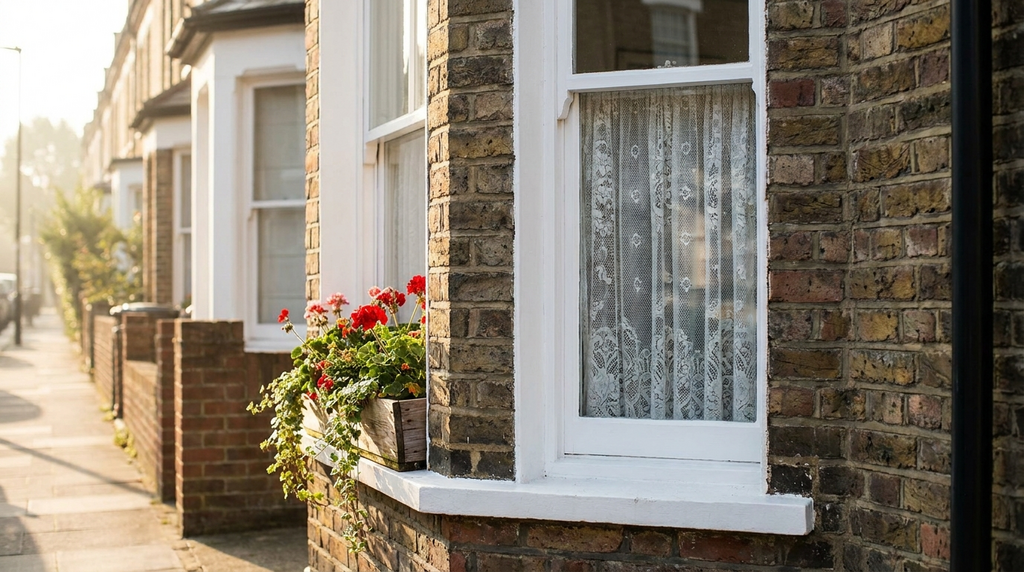
For those older terraced properties, your walls are thick solid granite or stone. Your window openings are not standard sizes. A standard uPVC casement window from a national supplier will not fit without significant alteration. You need bespoke measurements and proper cavity closers to prevent cold bridging. The installers working on these homes in Peterhead often have to make adjustments on site because no two openings are exactly the same.
The semi detached homes from the 1960s and 1970s in areas like Catto Drive are easier in one way. They have standardised openings. But they often have cavity walls with minimal insulation. Your new windows and doors must include proper cavity closers to stop damp bridging. The timber frames common in these homes have often rotted at the sills after decades of North Sea rain.
Access is a real issue in Peterhead. Many terraced homes have no rear vehicle access. Your installer will need to carry materials through your house or use scaffolding from the street. This adds time and cost. Parking restrictions near the town centre also mean installers may need to park several streets away and carry everything by hand.
The building eras here mean your current windows are likely timber single glazed in older homes or early aluminium double glazing from the 1980s in post war houses. Neither performs well. The aluminium frames in particular are terrible for thermal performance and often have failed sealed units with condensation between the panes.
How much Windows and Doors costs in Peterhead and the Scotland area in 2026
Prices in Peterhead sit slightly above the Scotland average because of transport costs. Most suppliers are based in Aberdeen or Inverurie. Getting products delivered 44 kilometres north adds to your bill. Local installers also factor in the extra time needed for granite walls and non standard openings.
| Property type | Windows (full set) | Front door | Back door | Patio doors | Total approximate |
|---|---|---|---|---|---|
| 2 bed terraced (4 windows) | £3,800 – £5,200 | £1,200 – £1,800 | £900 – £1,400 | £1,800 – £2,800 | £7,700 – £11,200 |
| 3 bed semi detached (7 windows) | £6,500 – £9,000 | £1,400 – £2,000 | £1,000 – £1,600 | £2,200 – £3,200 | £11,100 – £15,800 |
| 3 bed detached (10 windows) | £9,000 – £12,500 | £1,600 – £2,400 | £1,200 – £1,800 | £2,800 – £4,000 | £14,600 – £20,700 |
These prices include fitting, VAT, and removal of your old windows and doors. They assume uPVC double glazing with A rated energy performance. Triple glazing adds roughly 25% to the window costs. Composite doors add about £300 per door compared to uPVC.
The Scotland average for a similar 3 bed semi is around £10,500 to £14,000. Peterhead sits at the higher end because of your location and the prevalence of granite construction. Fraserburgh is comparable. Inverurie and Aberdeen are slightly cheaper because more suppliers compete there.
Scaffolding adds £800 to £1,500 if your home is two storeys with no rear access. Many terraced homes in Peterhead need this. Factor it into your budget from the start.
How Peterhead’s weather and location affect your Windows and Doors choices
Peterhead experiences 2,200 heating degree days per year. That is significantly higher than the UK average. Your heating system works harder and longer than homes in southern England. Here, windows and doors are about appearance and are a critical part of your home’s thermal envelope.
The wind exposure in Peterhead is severe. You are on the North Sea coast with no significant land mass between you and Scandinavia. Your windows must have wind load ratings appropriate for exposure zone 4 or 5. Standard windows designed for sheltered inland locations will fail here. The seals will blow, the frames will flex, and you will feel drafts even when the windows are closed.
Rainfall in Peterhead averages around 700 to 800mm per year. That is moderate but it arrives horizontally with the wind. Your window sills need proper drips and your frames need rebated gaskets to stop water ingress. Many standard uPVC windows have butt jointed gaskets that leak in these conditions. You need welded gaskets or mechanically fixed gaskets designed for exposed locations.
Salt spray is another factor. If you live near the harbour or within half a kilometre of the coast, your aluminium or timber windows will corrode faster. uPVC is the most durable choice here. Composite doors with GRP skins also resist salt damage well. Timber doors need annual maintenance to survive.
The short winter daylight hours from October to February mean you rely more on artificial lighting. This makes the light transmittance of your glazing important. Low iron glass or argon filled triple glazing with high solar gain coatings can help maximise what little natural light you get. Standard double glazing with a low solar gain coating actually makes your home darker and colder in winter.
The products and options that work best here
For Peterhead homes, triple glazing is not a luxury. It is a sensible investment. The U value of your windows should be 1.2 W/m2K or lower for double glazing. Triple glazing achieves 0.8 to 1.0 W/m2K. In a town with your heating demand, that extra insulation pays back within 8 to 10 years.
uPVC is the most practical frame material for most Peterhead homes. It does not rot, it resists salt, and it needs no painting. Look for frames with multi chamber profiles and foam filled cores. These add structural strength against wind loading and improve thermal performance.
Composite doors are better than uPVC doors for your front entrance. They have a timber core with GRP skin. They do not warp in the damp coastal air. They also have better security ratings. A composite door with a multi point locking system and PAS 24 certification is standard for good insurance rates in Peterhead.
For patio doors, sliding doors are not ideal here. The seals on sliding doors are less effective against wind driven rain. Tilt and turn doors or French doors with compression seals perform much better. If you have a south facing garden and want maximum light, bifold doors with heavy duty thresholds and weather seals work well. But budget for the premium versions designed for exposed locations.
Your glazing should be low E coated with argon or krypton gas fill. The low E coating reflects heat back into your home while letting sunlight in. This is critical for passive solar gain during those short winter days. Look for a solar heat gain coefficient of 0.5 or higher.
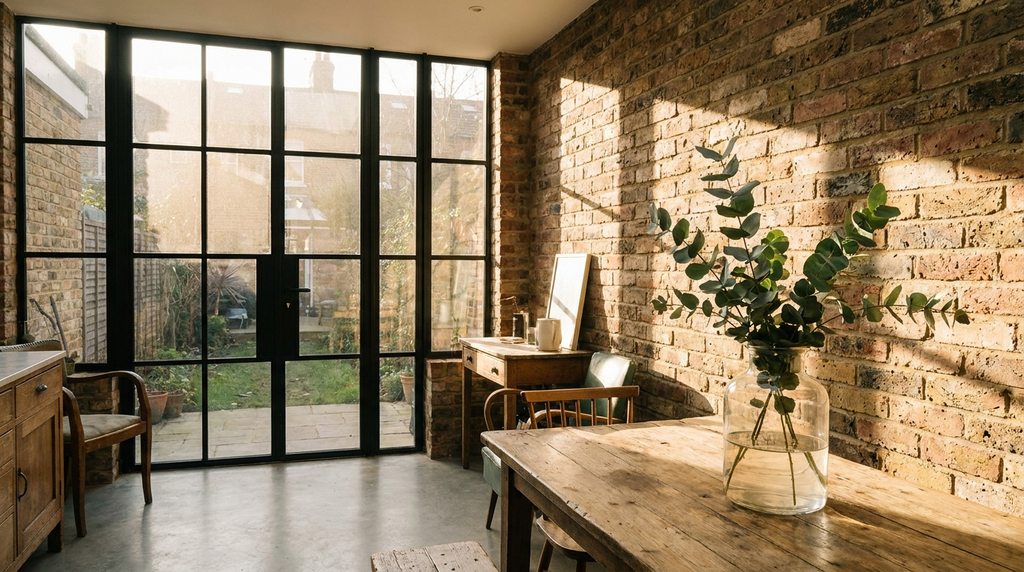
If you have period property constraints, timber windows with vacuum glazing are an option. Vacuum glazing achieves U values of 0.7 W/m2K in a slim profile that fits original frames. This costs more but preserves the character of your home if you live in a conservation area near the town centre.
How to find a trustworthy Windows and Doors installer near Peterhead
Your installer choices in Peterhead are limited compared to Aberdeen. You have a handful of local firms based in the town. Then you have larger companies from Aberdeen, Inverurie, and Fraserburgh who cover this area. The good ones travel the 44 kilometres from Aberdeen without complaint. The less reliable ones charge extra for the distance.
Look for installers who are FENSA registered or CERTASS registered. These schemes mean the installer can self certify your work under building regulations. Without this, you need to pay the local council for building control approval. That adds £300 to £500 and delays your project.
Ask for references from jobs done in Peterhead specifically. A company that works well in Aberdeen may not understand granite walls and exposed coastal conditions. Ask to see photos of their work on homes similar to yours. Visit those homes if the homeowner agrees.
Typical lead times in 2026 are 8 to 12 weeks from survey to installation. Local Peterhead firms may be quicker at 6 to 8 weeks. National companies often quote 12 to 16 weeks because they schedule work across a wider area.
Red flags include quotes that are significantly lower than the prices in this guide. Cheap quotes mean cheap materials or inexperienced fitters. Also watch for installers who cannot produce their insurance certificates. Public liability insurance of at least £2 million is standard. Employer liability insurance is required by law if they have staff.
Ask about their warranty. A good installer offers a 10 year insurance backed guarantee on the installation. The window manufacturer should offer a 10 year guarantee on the sealed units and a 20 year guarantee on the frames. If they only offer 5 years, walk away.
Grants and funding that could reduce your costs in 2026
Home Energy Scotland offers interest free loans up to £15,000 for energy efficiency improvements including windows and doors. This is available to all homeowners in Peterhead regardless of income. You repay the loan over 5 to 10 years with no interest. This is the most accessible funding option for most people.
The Warmer Homes Scotland scheme provides free insulation and heating improvements for households on certain benefits. This includes window and door upgrades if your current ones are causing damp or excessive heat loss. You qualify if you receive Pension Credit, Universal Credit, or other means tested benefits. The scheme covers the full cost of approved improvements.
ECO4 is the UK wide scheme that also applies in Scotland. It targets low income and vulnerable households. Your energy supplier may be obligated to fund window and door upgrades if you qualify. Contact your supplier directly or go through Home Energy Scotland to check eligibility.
The Scottish Government Heat in Buildings Strategy includes funding for whole house retrofits. From 2026, there are grants of up to £7,500 for heat pumps and associated fabric improvements. If you are also upgrading your heating system, windows and doors can be included in the package. This is worth exploring if you plan a full home upgrade.
For Peterhead homeowners, the most realistic route is the Home Energy Scotland interest free loan. It covers 100% of the cost up to £15,000. You need to use an approved installer from their list. Your new windows and doors must meet minimum energy standards of B rated or above. The application process takes about 4 weeks.
Planning permission and regulations in Peterhead
Most window and door replacements in Peterhead do not need planning permission. This is classed as permitted development. But there are exceptions you need to know about.
If you live in a conservation area around the town centre, your windows and doors must match the original style. The Aberdeenshire Council planning department requires that replacements in conservation areas use timber or timber effect materials. uPVC is not allowed in some conservation areas. You need to check with the planning team before ordering anything.
Listed buildings are rare in Peterhead but they exist. If your home is listed, you need listed building consent for any changes to windows or doors. This is a separate application to Aberdeenshire Council. It takes 8 to 12 weeks and requires detailed proposals showing how the new units match the original design.
Building regulations apply to all replacements. Your new windows and doors must meet the standards in Section 6 of the Scottish Building Regulations. This covers energy performance, ventilation, and safety. The key requirements are:
- Windows must achieve a U value of 1.4 W/m2K or lower
- Doors must achieve a U value of 1.6 W/m2K or lower
- Glazing in critical locations must be safety glass
- Trickle vents must be installed to provide background ventilation
- Fire escape windows must be provided in first floor bedrooms
Your FENSA or CERTASS registered installer will handle the building regulations notification. They issue a certificate of compliance after installation. Keep this document for your home records and for when you sell your property.
Flood risk is relevant in parts of Peterhead near the Ugie River and the harbour. If your home is in a flood zone, your new doors should have flood resistant thresholds. These prevent water ingress during flood events. Your installer should know about this requirement for flood risk areas.
What you will actually save
Let us calculate the real savings for a typical Peterhead home. You use 14,500 kWh of gas per year and 3,500 kWh of electricity. Your current EPC rating is Band D. With new A rated double glazing and a composite front door, you can expect to move to Band C. With triple glazing and improved doors, you can reach Band B.
Your annual heating bill for gas at current prices of 7p per kWh is £1,015. Old single glazing or early double glazing causes about 18% of your heat loss. Upgrading to modern double glazing reduces that heat loss by roughly 60%. That saves you about £110 per year on gas alone.
But the real savings come from the whole house effect. Better windows and doors reduce drafts. Your home feels warmer at the same thermostat setting. Many Peterhead homeowners report turning their thermostat down by 1 to 2 degrees after upgrading. That saves an additional 8% to 16% on your heating bill. Combined with the direct window savings, you save between £180 and £290 per year.
Over 10 years, that is £1,800 to £2,900 in energy savings. Your home value increases by about 3% to 5% with new windows and doors according to local estate agents. For a typical Peterhead semi detached home valued at £180,000, that is £5,400 to £9,000 of added value.
The payback period for a full window and door replacement on a 3 bed semi in Peterhead is 12 to 16 years based on energy savings alone. When you include the increase in home value, the payback is effectively immediate if you sell within a few years. If you stay long term, you enjoy lower bills and a warmer home for decades.
Your EPC rating improves from Band D to Band C with standard double glazing. Triple glazing and composite doors can push you to Band B. This matters for future regulations and for selling your home. Homes with EPC Band C or above sell faster and for higher prices in the Peterhead market.
The comfort improvement is harder to quantify but just as important. No more cold drafts from the windows. No more condensation running down the glass. No more struggling to open swollen timber frames in winter. Your home becomes a place you actually want to be in during those long Peterhead winters.