Why Fraserburgh homeowners are looking at Windows and Doors right now
Walk down Saltoun Place or along the Esplanade and you will notice something happening. More scaffolding. More skips. More homes getting their windows and doors replaced. This is about more than looks. Fraserburgh has some of the oldest housing stock in Aberdeenshire, with many homes built between the 1920s and 1970s still using single glazing or early double glazing that has long since failed. Your heating bills are likely higher than your neighbours in Peterhead or Ellon because your windows are leaking warmth straight into that bracing North Sea air.
The average EPC rating here is Band E. That is well below the national average of Band D. It means your home is costing you more to heat than it should. Every winter you feel that draught from the living room window. Every January you watch your gas bill climb past £200. The good news is that replacing your windows and doors is one of the single most effective upgrades you can make. It is not glamorous but it pays for itself faster than almost anything else you could do to your home.
There is another reason demand is surging. The Scottish Government has tightened building regulations under Section 6, and from 2026 any new windows and doors you install must meet much higher thermal performance standards. Older frames that were acceptable five years ago no longer cut it. Homeowners across Fraserburgh, from the terraced streets around Finlayson Street to the semi-detached homes in the Broadsea area, are getting ahead of the curve before costs rise further.
What Windows and Doors actually involves for a typical Fraserburgh home
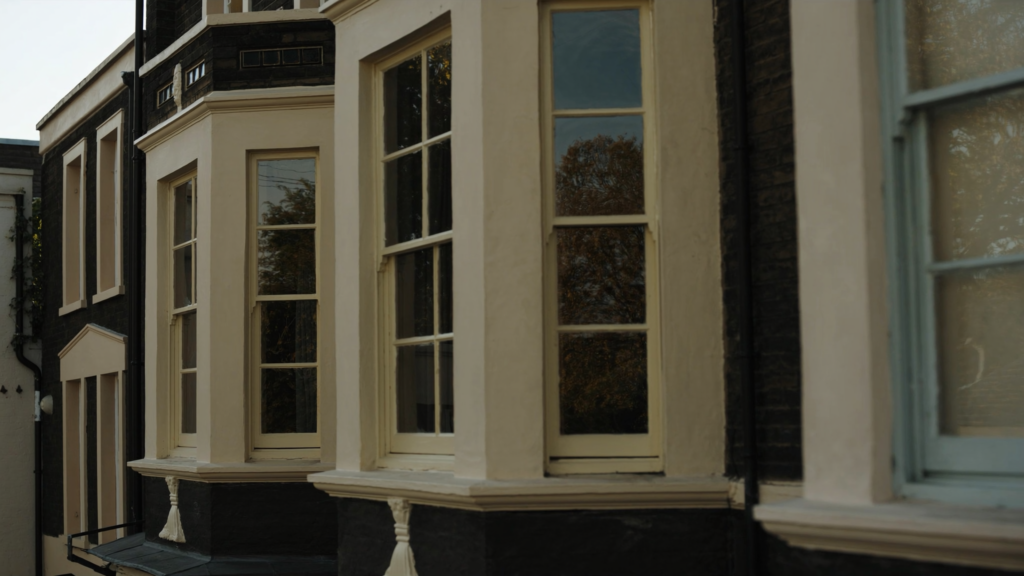
If you live in a semi-detached or terraced property in Fraserburgh, you are looking at a fairly standard installation. Most homes here are built from granite or harled block, with timber sash and case windows in the older properties and uPVC in the newer ones. The terraced houses near the harbour often have bay windows to the front, which adds complexity and cost. The semi-detached homes in the housing estates off the A98 tend to have simpler rectangular openings, which makes the job quicker and cheaper.
Access is the biggest headache. Fraserburgh is a compact town with narrow streets, especially in the older parts. If you live on a street like Charlotte Street or Cross Street, parking is tight and delivery trucks cannot always get close. Your installer may need to carry windows down the side of your house or through your back garden. This adds labour time and cost. Homes with rear gardens that back onto a lane are easier, but many terraced properties have no rear vehicle access at all.
The building eras here matter. Pre-1940s homes often have non-standard window sizes. You cannot just order off the shelf. Your windows will need to be made to measure, which adds around two to four weeks to lead times. Post-war homes from the 1950s to 1970s are more standardised but often have steel or timber frames that need careful removal to avoid damaging the surrounding masonry. If your home is in the conservation area around the Old Town, you may need to match the original style, which means timber frames with slim sightlines rather than chunky uPVC.
One thing that makes Fraserburgh easier than some other towns is that the housing stock is relatively uniform. Once a local installer has done a few jobs in your street, they know exactly what to expect. That can save you money on survey time and reduce the risk of unexpected problems on installation day.
How much Windows and Doors costs in Fraserburgh and the Scotland area in 2026
Prices in Fraserburgh sit slightly below the Scotland average for most standard installations. You are not paying the Edinburgh or Aberdeen premium. However, you may pay a little more than homeowners in central belt towns because installers have to travel further and materials cost more to deliver this far north. The table below gives you realistic 2026 prices for typical Fraserburgh homes.
| Property type | Windows only (8-10 openings) | Doors only (1 front + 1 back) | Full replacement (windows + doors) | Scotland average (same spec) |
|---|---|---|---|---|
| 2-bed terraced (pre-1940) | £4,200 – £5,800 | £1,800 – £2,500 | £5,800 – £8,000 | £6,500 – £9,000 |
| 3-bed semi-detached (1950s-70s) | £5,500 – £7,200 | £2,000 – £2,800 | £7,200 – £9,500 | £8,000 – £11,000 |
| 3-bed semi-detached (modern) | £4,800 – £6,500 | £1,900 – £2,600 | £6,500 – £8,800 | £7,200 – £10,000 |
These prices assume uPVC double glazing with A-rated energy performance. If you want timber frames, add 30 to 50 percent. If you want triple glazing, add around 20 percent. If your home is in a conservation area and requires heritage-style timber sash windows, expect to pay £8,000 to £12,000 for a typical terraced house.
Why the variation within Fraserburgh itself? Access is the main factor. A home on a main road with easy driveway access costs less than a terraced house on a narrow street where the installer has to park two streets away and carry everything. Scaffolding adds £500 to £1,500 if needed, which is common for upper-floor windows on two-storey homes. If your home has unusual brickwork or stonework that needs making good after removal, budget an extra £300 to £800.
How Fraserburgh’s weather and location affect your Windows and Doors choices
You already know the weather here is no joke. Fraserburgh gets around 800 sunshine hours per year, well below the UK average of 1,400. You have long, dark winters and strong winds coming straight off the North Sea. Your windows and doors take a beating that homes in inland towns simply do not experience.
The wind exposure is the biggest factor. Standard uPVC windows are fine for most of the UK, but in Fraserburgh you should look for windows rated to at least 1,200 Pascals of wind resistance. That is the equivalent of a severe storm. Cheap budget windows rated to 600 Pascals will rattle and may fail in a bad winter storm. Ask your installer for the CWCT classification. Class 3 or above is what you need for exposed coastal locations.
Rain and moisture are another issue. Fraserburgh gets around 700mm of rain per year, which is moderate, but the combination of rain and wind means water is driven sideways against your walls. Your windows need good drainage systems in the frames and high-quality gaskets that do not shrink in the cold. Look for windows with internal drainage channels rather than external weepholes, which can get blocked by salt spray.
Salt corrosion is a real problem here. If you live within half a mile of the coast, which is most of Fraserburgh, the salt in the air will attack metal components. Choose windows with stainless steel or brass hinges and handles, not standard zinc-plated ones. The cheap hardware will rust within three years. Also avoid aluminium frames unless they are powder-coated to marine-grade standard. uPVC is naturally resistant to salt, which is one reason it dominates in coastal towns.
The shorter winter daylight means you rely more on artificial lighting. This is where window design matters. Larger glazed areas and slimmer frames let in more natural light during those precious daylight hours. If you are replacing windows, consider increasing the glass area slightly where structurally possible. It makes a real difference to your mood and your electricity bill from October through February.
The products and options that work best here
For most Fraserburgh homes, uPVC double glazing with a U-value of 1.2 W/m²K or lower is the sensible choice. It handles the weather well, costs less than timber, and lasts 20 to 25 years with minimal maintenance. Go for a minimum of 28mm double glazing units with low-E coating and argon gas fill. That gives you the best balance of performance and cost.
Triple glazing is worth considering if you live on a particularly exposed street like the Esplanade or Seaforth Street. It reduces heat loss by around 30 percent compared to standard double glazing and cuts down on noise from the wind and waves. The downside is that the frames are heavier, which can be an issue for older homes with weaker masonry. Your installer should check the structural capacity of your walls before fitting triple glazing.
For doors, composite is the best choice for your front door. It combines a timber core with a uPVC or GRP outer skin, giving you the insulation of timber without the maintenance. A good composite door with a multi-point locking system and a U-value of 1.0 W/m²K or lower will save you around £50 to £80 per year compared to an old timber door. For your back door, a standard uPVC door is fine and saves you money.
If you live in a conservation area or a listed building, you may be required to use timber sash windows. Modern timber windows with double glazing and weather seals perform much better than the originals. Look for Accoya or engineered timber, which resists rot better than softwood. Budget for annual painting or staining.
One product that works particularly well in Fraserburgh is the tilt and turn window. It opens inwards, which means you can clean both sides from inside your home. That is a real advantage when you do not want to be outside on a ladder in a Force 8 gale. They also seal more tightly than traditional casement windows, which helps with draughts.
How to find a trustworthy Windows and Doors installer near Fraserburgh
There are not many installers based in Fraserburgh itself. Most local companies operate out of Peterhead, Ellon, or even Aberdeen, covering the whole region. That is fine. The key is finding someone who knows the local housing stock and understands the coastal conditions.
Start with the FENSA or CERTASS certification. Every installer who fits windows and doors in Scotland must be registered with a competent person scheme. This allows them to self-certify that the work meets building regulations. If your installer is not registered, you will have to pay the local council for a building warrant and inspection, which adds £200 to £500 and weeks of delay.
Ask for references from jobs done in Fraserburgh or similar coastal towns. A good installer will have a portfolio of local work. Ask specifically about homes on your street or nearby. If they have worked on a property similar to yours, they already know the quirks of your house type.
Get at least three quotes. The cheapest is rarely the best in this part of the world. A quote that is significantly lower than the others often means cheaper materials, less experienced fitters, or no allowance for the extra work needed on older properties. Look for the middle quote with good reviews and clear specifications.
Lead times in 2026 are running at 6 to 12 weeks for made-to-measure windows and 4 to 6 weeks for standard sizes. If you need the work done before winter, book in by August. Installers get very busy from September onwards as homeowners panic about the coming cold.
Red flags to watch for. Any installer who asks for full payment upfront. Any quote that does not include VAT. Any guarantee shorter than 10 years on the frames and 5 years on the glass. Any installer who says you do not need building regulations compliance. Walk away from all of these.
Grants and funding that could reduce your costs in 2026
You have several options to reduce the cost of your window and door replacement in Fraserburgh. The most generous is the Home Energy Scotland loan. You can borrow up to £15,000 interest-free for energy efficiency improvements, including windows and doors. Repayment terms are flexible and there is no early repayment penalty. This is available to all homeowners in Scotland regardless of income.
The Warmer Homes Scotland scheme provides free insulation and heating improvements for households on certain benefits or with a low income. If you receive Pension Credit, Universal Credit, or Housing Benefit, you may qualify for fully funded window and door replacements. The scheme covers up to 100 percent of the cost for eligible households. Apply through Home Energy Scotland.
ECO4 is the UK-wide scheme that also applies in Scotland. It targets low-income households and those living in the least efficient homes. Your EPC rating of Band E puts you in the priority group. ECO4 can fund window and door replacements as part of a whole-house upgrade package. You cannot apply directly. You need to use an approved installer who works with the energy companies. Home Energy Scotland can connect you with local installers who operate under ECO4.
The Scottish Government also runs the Area Based Schemes, which target specific neighbourhoods for bulk upgrades. Fraserburgh has been included in past schemes. Check with Aberdeenshire Council to see if your street is scheduled for a future round. These schemes often provide significant discounts on windows and doors for homeowners in the target area.
One tip. If you are considering a heat pump or other renewable heating system, do your windows and doors first. The heat pump will be more efficient and cheaper to run if your home is already well insulated and draught-proofed. Many grant schemes for heat pumps now require you to have a minimum level of fabric efficiency before they will fund the heating system.
Planning permission and regulations in Fraserburgh
For most homes in Fraserburgh, you do not need planning permission to replace windows and doors like for like. If you are changing the size, shape, or position of the openings, you will need permission. Also if you live in a listed building or a conservation area, you may need listed building consent or planning permission even for like for like replacements.
The Fraserburgh conservation area covers the historic core around the Old Town, including parts of High Street, Saltoun Square, and the harbour area. If your home is in this zone, you must use materials and styles that match the original. uPVC is generally not permitted in conservation areas. You will need timber windows with slim sightlines and traditional opening mechanisms. Check with Aberdeenshire Council before ordering anything.
Building regulations are the main hurdle. Under Section 6 of the Scottish Building Standards, any replacement windows and doors must meet minimum thermal performance standards. For windows, the maximum U-value is 1.2 W/m²K in 2026. For doors, it is 1.0 W/m²K. Your installer should confirm the products meet these standards and provide certification.
If your home has a flat roof or is within a certain distance of a boundary, there may be fire safety requirements for the glazing. Toughened or laminated glass may be needed in certain locations. Your installer should check this during the survey.
One local issue. Some homes in Fraserburgh are in flood risk zones near the coast and the River Ugie. If you are in a flood zone, you may need to consider flood-resistant doors and windows. These have raised thresholds, watertight seals, and materials that resist water damage. Your home insurance may also require this. Check with your insurer before proceeding.
What you will actually save
Let us run the numbers for a typical Fraserburgh home. You use 14,500 kWh of gas per year and 3,500 kWh of electricity. Your EPC rating is Band E. Your home is a 3-bed semi-detached from the 1960s with single glazing or very old double glazing.
Replacing all windows and doors with modern A-rated double glazing will reduce your heat loss by around 25 to 35 percent. Based on your gas usage, that saves you approximately 3,600 to 5,000 kWh of gas per year. At current gas prices of around 7p per kWh, that is £250 to £350 per year off your heating bill.
You will also save a small amount on electricity. Better windows let in more natural light, reducing your lighting needs by around 5 to 10 percent. That saves you roughly £15 to £30 per year.
Total annual savings: £265 to £380 per year.
Your installation cost for a 3-bed semi-detached is around £7,200 to £9,500. Your payback period is 19 to 36 years based on energy savings alone. That sounds long, but remember that your new windows and doors add value to your home. Estate agents estimate that new windows and doors add 5 to 10 percent to a property’s value. On a Fraserburgh home worth around £120,000 to £180,000, that is £6,000 to £18,000 of added value.
Your EPC rating will improve from Band E to Band D or even Band C, depending on the other measures in your home. That makes your property more attractive to buyers and may qualify you for lower mortgage rates on green home products.
Beyond the money, there is the comfort. No more draughts. No more condensation streaming down the glass on winter mornings. No more sitting in a coat because the room never feels warm. Your home will be quieter too, with modern windows cutting outside noise by 30 to 40 decibels. That matters when you live close to the busy A98 or near the harbour with its early morning activity.
If you are planning to stay in your Fraserburgh home for more than five years, new windows and doors are one of the best investments you can make. The energy savings alone will cover a significant portion of the cost, and the comfort and value improvements are yours to enjoy every single day.