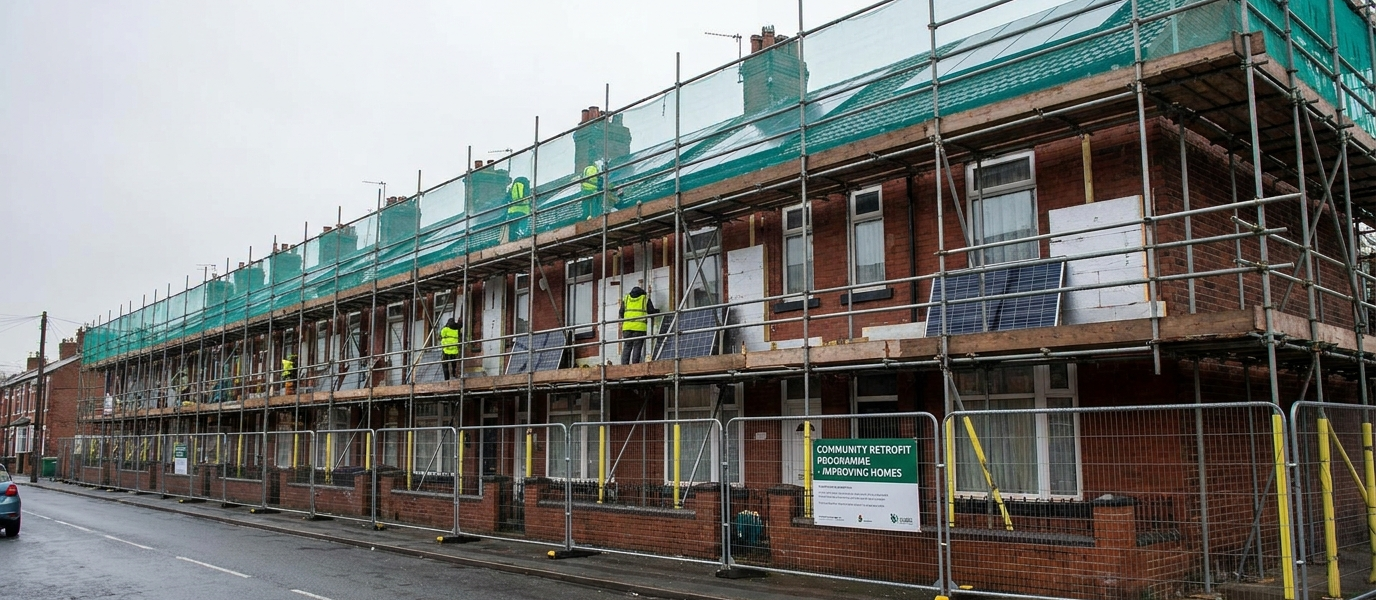
The government will spend £6bn on home upgrades in what it calls the biggest plan of its kind in British history. That is roughly £20,000 per targeted household, enough to insulate a loft, install a heat pump, and fit solar panels on a typical three-bed semi.
As reported by GOV.UK, the plan targets 300,000 homes in the first phase, with grants covering up to 100% of costs for low-income households. The Department for Energy Security and Net Zero says it will cut bills by up to £400 a year per home.
Who qualifies, and who doesn’t
Eligibility is the first question any homeowner should ask. The government says the scheme will prioritise homes with an EPC rating of D or below, that is roughly 10 million properties in England alone. Low-income households and those in fuel poverty will get full grants. For others, the offer is a partial subsidy, likely 50% to 75% of installation costs.
The catch is detail. Officials have not confirmed income thresholds, regional allocations, or how to apply. The scheme launches in 2025, but installers report they have already seen a surge in inquiries. If past schemes are any guide, the Green Homes Grant collapsed in 2021 after a chaotic rollout, demand will outstrip supply within weeks.
What it costs a typical 3-bed semi
Let’s run the numbers on a typical 1930s semi in the Midlands with an EPC rating of E. Loft insulation costs £300–£500 and saves about £150 a year. Cavity wall insulation runs £1,500–£2,500 and saves £250 a year. An air-source heat pump costs £7,000–£13,000 after the Boiler Upgrade Scheme grant, saving £200–£400 a year versus a gas boiler. Solar panels with a 4kW system cost £5,000–£8,000 and save £300–£500 a year on electricity.
Combined, the full package could cost £14,000–£24,000. Under the new plan, a low-income household might pay nothing. A middle-income household might pay £3,500–£6,000 after subsidy. Payback on that outlay is three to five years at current energy prices.
But the £400 annual saving figure is an average. The Energy Saving Trust notes that actual savings depend on property size, existing insulation, and heating system. A draughty Victorian terrace will save more than a 1990s cavity-wall build.
What this misses, and what to do now
The plan has one obvious gap: installer capacity. The UK has roughly 4,000 certified heat pump installers, far short of the 50,000 needed to hit the government’s 600,000 heat pump target by 2028. Insulation fitters are also in short supply. Without a parallel training programme, the £6bn will chase too few hands.
Yet for homeowners, the message is clear: act early. Ofgem data shows that households on standard variable tariffs pay £1,800 a year for gas and electricity. Every £1 spent on insulation returns £3 in savings over five years. The government’s plan is real money, but it will flow first to those who register interest early.
What you can do today: check your EPC rating at gov.uk/find-energy-certificate. If it is D or below, gather quotes from three MCS-certified installers. Sign up for the government’s mailing list on the DESNZ website. The biggest home upgrade plan in British history starts with a single step, and that step is yours.
Frequently Asked Questions
The government estimates average savings of £400 per year on energy bills for targeted households. However, actual savings vary based on your property size and existing insulation; for example, a draughty Victorian terrace could save more than a newer build, with loft insulation alone saving around £150 annually.
Low-income households and those in fuel poverty will receive grants covering up to 100% of costs for upgrades like loft insulation, heat pumps, and solar panels. The scheme prioritises homes with an EPC rating of D or below, which includes roughly 10 million properties in England.
For a typical 1930s semi-detached house in the Midlands with an EPC rating of E, the full package including loft insulation (£300-£500), cavity wall insulation (£1,500-£2,500), an air-source heat pump (£7,000-£13,000 after Boiler Upgrade Scheme grant), and 4kW solar panels (£5,000-£8,000) totals £14,000-£24,000. After government subsidy, a middle-income household might pay £3,500-£6,000.
The scheme launches in 2025, but officials have not yet confirmed income thresholds, regional allocations, or application details. To prepare, check your EPC rating at gov.uk/find-energy-certificate and gather quotes from three MCS-certified installers, as demand is expected to outstrip supply quickly based on past schemes like the Green Homes Grant.
There is a significant installer shortage, the UK has only around 4,000 certified heat pump installers, far below the 50,000 needed to hit the 600,000 heat pump target by 2028. Without a parallel training programme, the £6bn may struggle to be spent effectively, so acting early is important to secure funding and installers.




