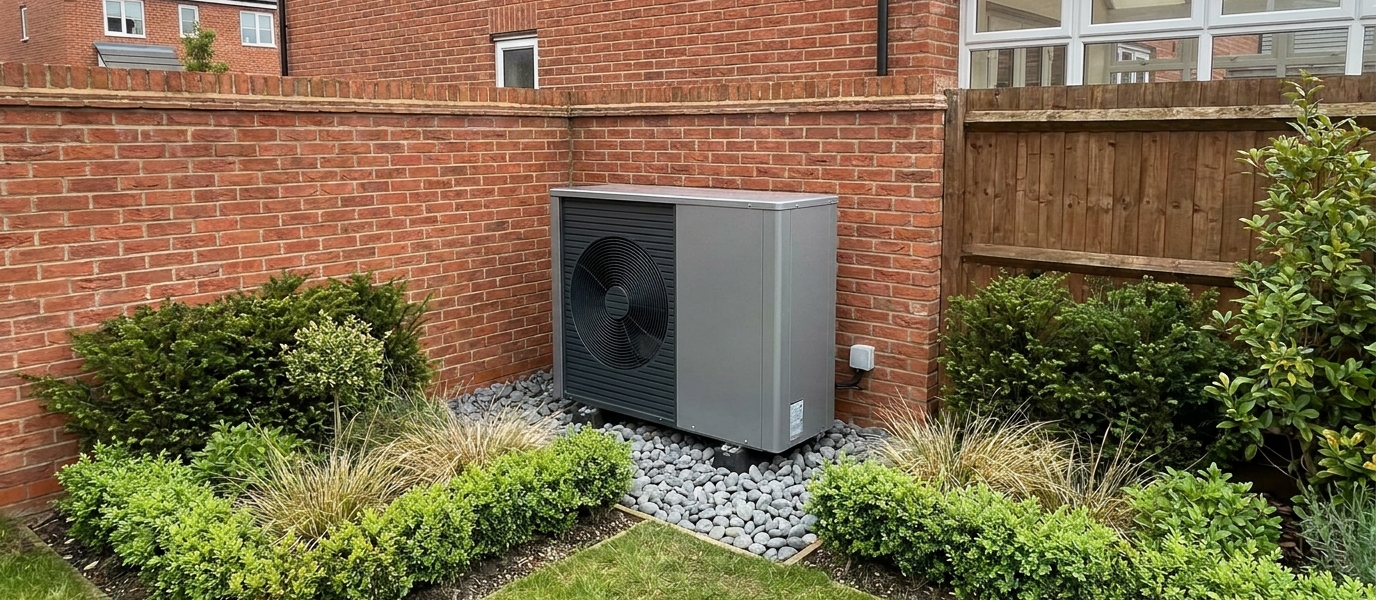
Sixty thousand heat pumps in four years. That is the tally from the Boiler Upgrade Scheme, 60,000 installations against a government target of 600,000 a year by 2028. The gap is not a crack; it is a chasm.
As reported by Nesta, the scheme has spent £450m of public money. The charts tell a story of slow, patchy uptake, and one that skews heavily toward wealthier homeowners in the south of England. For the typical UK household on a standard variable tariff, the question is not whether heat pumps work, but whether the economics stack up.
Who qualifies, and who doesn’t
The Boiler Upgrade Scheme is open to any homeowner in England and Wales who replaces a fossil-fuel heating system with an air-source or ground-source heat pump. The grant is £7,500 per installation. But the data from Nesta shows a clear pattern: two-thirds of installations are in homes not connected to the gas grid. These are rural properties, often larger, with higher energy bills and fewer alternatives. The typical recipient lives in the South East or South West, where off-gas-grid homes are concentrated.
The catch is that 85% of UK homes are on the gas grid. For them, the economics are tighter. A gas boiler costs £1,500-£3,000 to install. A heat pump costs £10,000-£15,000 even after the grant. The payback period, even with annual savings of £200-£300 on bills, runs to 15-25 years. That is longer than most households plan to stay in their current home.
Ofgem figures show that the scheme has not yet shifted the dial for the mass market. The government’s own advisory body, the Climate Change Committee, has called for 1m heat pumps a year by 2030. At current rates, that would take 16 years.
What it costs a typical 3-bed semi
Take a 3-bed semi-detached house in the Midlands, built in the 1980s, with cavity-wall insulation and double glazing. The current gas boiler uses 12,000 kWh a year, costing roughly £800 at the October 2024 price cap. A heat pump would use 4,000 kWh of electricity, costing about £1,100 at the current electricity-to-gas price ratio of roughly 4:1. The annual saving is negative, the heat pump costs £300 more to run.
That is the reality for most homes on the gas grid. The Energy Saving Trust notes that heat pumps are most cost-effective in well-insulated homes with low-temperature heating systems, underfloor heating or large radiators. Retrofitting those adds £5,000-£10,000. The total cost for a typical semi-detached house, including the heat pump, installation, and system upgrades, can exceed £20,000. The grant covers less than 40%.
Yet the scheme has its successes. For off-gas-grid homes using oil or LPG, the annual saving can be £500-£700. Those households are the early adopters. The question is how to reach the other 23m homes on the gas grid.
What the data doesn’t show, and what needs to change
The Nesta charts do not break down installation costs by region or property type. But the broader pattern is clear: the scheme is not yet generating the volume needed to drive down costs. The UK has around 60,000 certified heat pump installers, but many are concentrated in the south. The north of England and Scotland have far fewer, and the scheme’s uptake reflects that.
What this misses is the role of electricity pricing. The UK has the highest electricity-to-gas price ratio in Europe, roughly 4:1, compared to 2:1 in France and 1.5:1 in Norway. Until that gap narrows, heat pumps will struggle to compete on running costs. The government’s planned ‘electrification’ tariff, which would cut electricity rates for heat pump users, has been delayed. Ofgem is consulting on a ‘heat pump tariff’ that could save households £100-£200 a year, but it is not expected before 2026.
But there is another lever: the Clean Heat Market Mechanism, which requires boiler manufacturers to sell a rising share of heat pumps or pay a fine. That policy, due to start in 2025, could push down installation costs by increasing competition. The scheme’s administrators, Ofgem, have not yet confirmed how the mechanism will interact with the Boiler Upgrade Scheme.
What homeowners should do now
The Boiler Upgrade Scheme runs until 31 March 2028. Households on standard variable tariffs can apply through gov.uk. Eligibility requires a valid MCS-certified installer quote. The grant is paid directly to the installer, reducing the upfront cost.
For off-gas-grid homes using oil, LPG, or electric storage heaters, the case is strong. For gas-grid homes, the numbers only work with significant fabric improvements, loft insulation to 270mm, cavity-wall insulation, and draught-proofing. The Energy Company Obligation (ECO4) scheme can fund some of that for low-income households. For others, the £7,500 grant is a start, but not a solution.
The government’s own analysis suggests that to meet the 2028 target, installation costs need to fall to £7,000-£8,000. That requires volume, competition, and cheaper electricity. None of those are guaranteed. For now, the Boiler Upgrade Scheme is a useful tool for a minority. For the majority, the maths still does not add up.
Frequently Asked Questions
After the £7,500 Boiler Upgrade Scheme grant, an air-source heat pump typically costs between £10,000 and £15,000 to install in the UK. For a typical 3-bed semi-detached house needing system upgrades like larger radiators or underfloor heating, the total cost can exceed £20,000, meaning the grant covers less than 40%.
The Boiler Upgrade Scheme is open to any homeowner in England and Wales who replaces a fossil-fuel heating system, like a gas or oil boiler, with an air-source or ground-source heat pump. You must own the property and have a valid Energy Performance Certificate (EPC) with no outstanding recommendations for loft or cavity wall insulation.
For most UK homes on the gas grid, a heat pump is currently more expensive to run due to the electricity-to-gas price ratio of roughly 4:1. A typical 3-bed semi in the Midlands using 12,000 kWh of gas per year would see annual heating costs rise from £800 to about £1,100 with a heat pump, a £300 increase.
For a typical gas-grid home, the payback period for a heat pump runs 15 to 25 years, even with annual savings of £200-£300 on bills. This is longer than most households plan to stay in their current home, making the economics less attractive for the mass market.
Data from Nesta shows two-thirds of Boiler Upgrade Scheme installations are in off-gas-grid homes, which are concentrated in rural areas of the South East and South West. These homes are often larger and wealthier, with higher energy bills from oil or LPG, making heat pumps more cost-effective with savings of £500-£700 per year.




