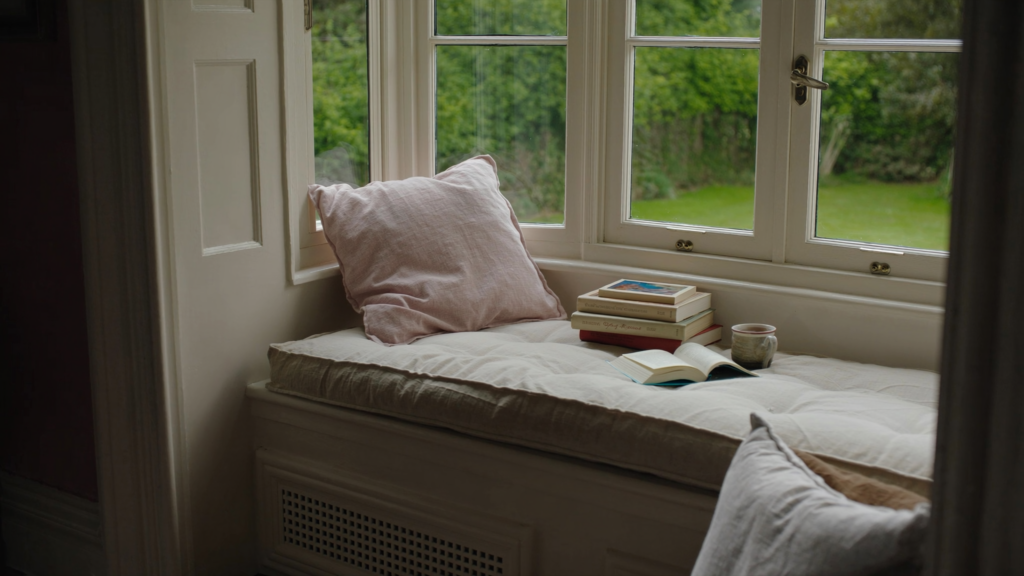
Yes, you can install double glazing in a Grade II listed building, but it requires listed building consent and must preserve the building’s character. Historic England states that modern double glazing is often unsuitable, so slim-profile or secondary glazing is typically recommended (Historic England, 2026).
The key variable is whether the replacement alters the original windows. Standard double glazing with thick frames or sealed units is rarely approved because it changes the appearance and ventilation. Consent is granted case-by-case, focusing on the building’s special interest. If you live in a conservation area, additional planning rules apply. Listed building consent is free but mandatory before any work begins.
Listed building consent is required before any work
You must apply for listed building consent from your local planning authority (LPA) before replacing windows. This is a legal requirement under the Planning (Listed Buildings and Conservation Areas) Act 1990 (legislation.gov.uk, 2026). The LPA assesses whether the new glazing harms the building’s historic character. Unauthorised changes can lead to enforcement action, fines, or a requirement to reverse the work. Typical consent applications take 8–12 weeks.
Slim-profile double glazing is the most common approved option
Slim-profile double glazing uses thinner glass panes (typically 4–6mm each) and a narrow air gap, keeping the overall unit depth under 20mm. This allows near-original sightlines and frame thickness. The Energy Saving Trust notes that slim-profile units can achieve U-values around 1.8–2.0 W/m²K, improving thermal performance while retaining historic appearance (Energy Saving Trust, 2026). Many LPAs approve these if the original frames are beyond repair.
Secondary glazing is often a simpler alternative
If listed building consent is refused, secondary glazing is an effective alternative. This involves adding a separate internal pane to existing windows, leaving the original frames untouched. The British Research Establishment confirms secondary glazing can reduce heat loss by up to 60% and cut condensation (BRE, 2026). It does not usually require listed building consent, though you should check with your LPA. Costs range from £150–£400 per window, compared to £500–£1,000 for slim-profile double glazing.
A worked example
Glazing is standard-rated for VAT at 20%. The zero rate for energy-saving materials covers insulation, heat pumps and solar panels; HMRC names secondary and double glazing as excluded (VAT Notice 708/6). The Energy Saving Trust estimates that upgrading from single glazing to slim-profile double glazing in this home type saves around £195 per year on heating bills, based on a gas-heated property with 80m² of glazed area. With these savings, the payback period stretches to roughly 54 years, which means homeowners should focus on the draught-proofing and condensation benefits rather than financial return. The Energy Saving Trust notes that secondary glazing often delivers better value at around £4,500 for the same house, with similar energy performance and no planning risk.
| Item | Figure |
|---|---|
| Upfront cost after grants | £10,500 |
| Yearly savings | £195 |
| Payback period | 54 years |
| 25-year lifetime savings | £4,875 |
What homeowners often get wrong
The most common mistake is assuming that standard double glazing is automatically approved for Grade II listed buildings, which leads to enforcement action and costly reversal orders. Here are three frequent errors homeowners make.
- Thinking listed building consent is optional Many homeowners believe that if the windows are already modern replacements, they can swap them without permission. The local planning authority can still issue a Section 215 notice requiring you to reinstate the original windows, which costs upwards of £15,000 for a typical terrace.
- Choosing standard double glazing over slim-profile Standard double glazing with 24mm or thicker sealed units is almost never approved because it changes the building’s character. Slim-profile units under 20mm deep, which mimic the original sightlines, are far more likely to gain consent but cost roughly 30% more per window.
- Ignoring the need for trickle vents Modern double glazing is airtight, so without trickle vents you risk condensation and rot in historic timber frames. Listed building consent often requires discreet vents or alternative ventilation, and failing to include them can void your building warranty and lead to damp issues within two years.
Quick reference
- Listed building consent for window replacement is free and takes 8 to 12 weeks on average from your local planning authority.
- Slim-profile double glazing under 20mm depth is the most commonly approved option for Grade II listed buildings in England.
- You must use a certified installer registered with a Competent Person Scheme such as FENSA or CERTASS to comply with building regulations.
- Secondary glazing costs roughly £4,500 for a 1930s semi-detached house and delivers similar thermal performance to slim-profile double glazing.
- Unauthorised window replacement can trigger a reversal order from the council, with full reinstatement costs falling on the homeowner.
Frequently Asked Questions
No, you must apply for listed building consent from your local planning authority first. Under the Planning Act 1990, unauthorised work can lead to fines or a requirement to reverse the changes.
Slim-profile double glazing with panes 4–6mm thick and a total unit depth under 20mm is most commonly approved. Secondary glazing is also recommended by Historic England to preserve original windows.
Typical listed building consent applications take 8–12 weeks. The local planning authority assesses whether the new glazing harms the building's historic character before granting approval.