Why Aberdeenshire homeowners are choosing Casement Windows in 2026
Walk down any street in Inverurie or Peterhead this year and you will notice a pattern. More homes are swapping their tired old windows for something smarter. Casement windows have become the go-to choice across Aberdeenshire, and the reasons are firmly rooted in how we live here.
Our county sits in the northeast corner of Scotland, exposed to the North Sea and the full force of winter. With 2,200 heating degree days each year, keeping warmth inside is a battle. Casement windows seal far tighter than sliding sashes or older timber frames. The compression gasket around the opening sash creates a near airtight barrier, which matters enormously when the wind howls off the Grampians.
Energy prices remain stubbornly high in 2026. The average Aberdeenshire household uses 14,250 kWh of gas per year, well above the UK median. Every draught you block with a good casement window chips away at that bill. Homeowners here are practical people. They know that spending on windows now saves money every winter for the next twenty years.
There is also a growing awareness of EPC ratings. Aberdeenshire sits at Band D on average, which is the UK norm but not good enough for the future. From 2026, minimum EPC standards for rented homes are tightening. Even owner occupiers are upgrading because a better rating adds thousands to resale value. Casement windows are one of the most cost effective ways to jump from a D to a C.
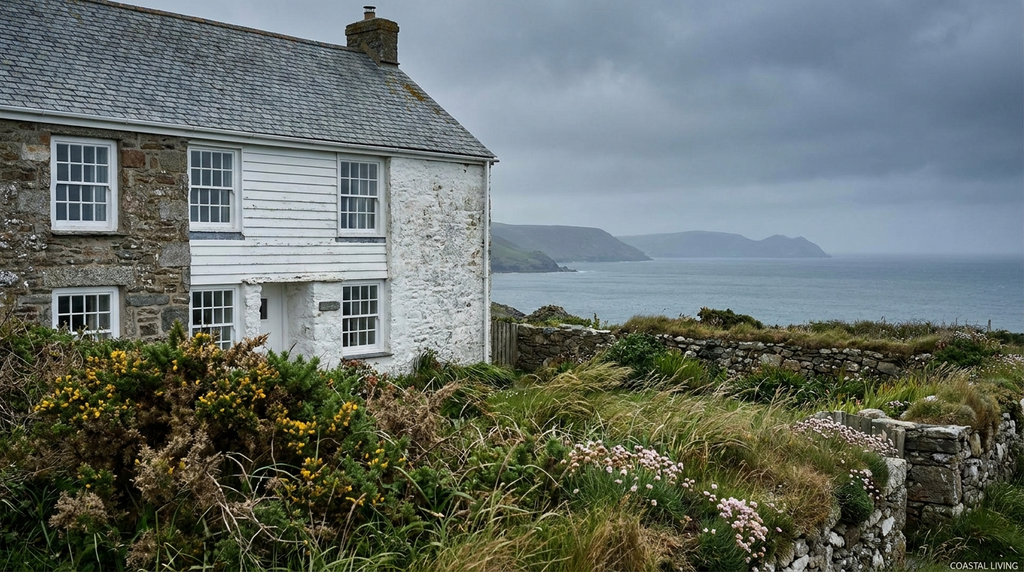
The style suits our architectural mix too. Semi detached homes from the 1960s and 1970s, modern detached houses, sandstone tenements in Aberdeen city centre, and farm cottages across the rural hinterland all take casement windows well. They look clean and contemporary without being flashy. That matters in a county where people value substance over show.
Insider tip If your home was built before 1919 and sits in one of Aberdeenshire’s conservation areas, check with planning before ordering. Some traditional stone buildings require timber casements rather than uPVC. A good installer will know the local rules.
How much Casement Windows costs across Aberdeenshire in 2026
Prices for casement windows vary across our county, but not as wildly as you might think. The table below shows realistic costs for 2026, installed by a certified local company. These figures include VAT at 20% and assume standard openings with no major structural work.
| Property type | uPVC casements (mid range) | Aluminium casements (premium) | Timber casements (traditional) | National average (all types) |
|---|---|---|---|---|
| 1 bed flat (3 windows) | £1,800 – £2,400 | £2,800 – £3,600 | £3,200 – £4,000 | £2,100 – £3,200 |
| 2 bed terraced (5 windows) | £3,200 – £4,000 | £4,800 – £6,200 | £5,500 – £7,000 | £3,500 – £5,500 |
| 3 bed semi detached (8 windows) | £5,000 – £6,500 | £7,500 – £9,800 | £8,800 – £11,000 | £5,500 – £8,500 |
| 4 bed detached (12 windows) | £7,500 – £9,800 | £11,000 – £14,500 | £13,000 – £17,000 | £8,000 – £12,000 |
You might notice Aberdeenshire prices sit slightly above the national average. That is not a local rip off. Installers here face higher transport costs covering the spread from Aberdeen to Fraserburgh, and the colder climate means they specify thicker frames and better glass as standard. A uPVC casement window in Aberdeenshire typically uses a 70mm profile compared to 60mm in southern England. That extra material costs money but saves heat.
Why do prices vary across the county? Labour rates in Aberdeen city are about 10% higher than in rural Inverurie or Peterhead. But rural jobs often carry a travel charge of £40 to £60 per day for the fitting team. Get quotes from at least three companies and compare like for like. Ask for the exact profile depth, glass specification, and warranty terms before signing anything.
Money saving tip Order all your windows at once rather than doing one room per year. Installers offer bulk discounts of 10% to 15% for full house jobs. The scaffolding or access equipment cost is also covered once instead of multiple times.
County-specific considerations for Casement Windows
Aberdeenshire is not like the rest of Scotland. Our climate, geography, and building stock create specific demands that a window must meet. Here is what you need to think about before choosing casement windows for your home.
Climate and weather exposure
We get 700 to 900 sunshine hours per year, which is low by UK standards. That means less passive solar gain through the glass. Your windows need to work hard on insulation rather than relying on the sun to warm the house. Casement windows with low iron glass and warm edge spacers help maximise whatever daylight we get.
Wind loads are significant, especially in coastal towns like Fraserburgh and Peterhead. A poorly fitted casement window will rattle and leak air. Look for windows tested to BS 6375 Part 1 for weather resistance. Class 4 or 5 is what you need for exposed Aberdeenshire locations. Your installer should provide the test data without you asking.
Building stock and property types
Our county has a huge variety of homes. Victorian terraces in Aberdeen city centre, postwar semi detached houses in Inverurie, modern detached homes on new estates, and traditional stone cottages in the countryside. Casement windows work well on all of them, but the specification changes.
For older stone properties, you might need a timber casement to match the original character. Modern uPVC can look out of place on a granite tenement. Aluminium casements with slim sightlines are a good compromise for traditional homes where you want better performance without the plastic look.
Conservation areas exist in parts of Aberdeen city, Old Aberdeen, and some villages like Crathes and Banchory. If your home is listed or in a conservation area, you will need listed building consent or planning permission for window changes. The local planning authority at Aberdeenshire Council is generally supportive of energy efficiency improvements but will insist on appropriate materials and designs.
Building regulations Section 6
Scotland has its own building standards, set out in Section 6 of the Scottish Building Regulations. Since 2022, replacement windows must achieve a whole window U value of 1.4 W/m²K or better. In 2026, that standard remains in force and is likely to tighten further. Any certified installer will meet this automatically, but if you buy online and fit yourself, you risk non compliance.
The good news is that modern triple glazed casement windows easily achieve U values of 0.8 to 1.0 W/m²K. That is significantly better than the minimum standard and makes a real difference to your heating bills.
The best Casement Windows options for Aberdeenshire homes
Not all casement windows are equal. Here are the specifications that work best for our county based on the housing stock and climate.
| Window type | Best for | U value (W/m²K) | Price per window fitted | Warranty |
|---|---|---|---|---|
| uPVC triple glazed (70mm profile) | Semi detached and terraced homes | 0.9 – 1.0 | £600 – £800 | 10 years |
| Aluminium triple glazed (thermal break) | Detached homes and modern builds | 0.8 – 0.9 | £900 – £1,200 | 15 years |
| Timber triple glazed (accoya or oak) | Listed buildings and conservation areas | 1.0 – 1.2 | £1,100 – £1,400 | 10 years |
| Composite (GRP) casements | Coastal properties in Fraserburgh and Peterhead | 0.9 – 1.1 | £1,000 – £1,300 | 20 years |
For most Aberdeenshire homes, the sweet spot is uPVC triple glazed casements with a 70mm profile. They perform well, look decent, and cost less than aluminium or timber. If you live in a coastal town, consider composite or aluminium frames. Salt spray eats uPVC over time, and aluminium with a good powder coat lasts decades longer.
Triple glazing is worth the extra money here. The difference between double and triple glazing in our climate is about 0.3 to 0.4 W/m²K per window. Over a whole house, that adds up to noticeable savings. The payback period is typically 5 to 7 years in Aberdeenshire, compared to 8 to 10 years in milder parts of the UK.
Grants and funding for Casement Windows in 2026
Several schemes can help Aberdeenshire homeowners reduce the cost of new casement windows. Here is what is available in 2026.
Home Energy Scotland loans
This is the best option for most homeowners. Home Energy Scotland offers interest free loans of up to £15,000 for energy efficiency improvements, including window replacements. The loan is available to all homeowners in Scotland, regardless of income. You repay over 5 to 10 years with no interest. That means a £6,000 window job costs you exactly £6,000 over the term.
To apply, contact Home Energy Scotland directly. They will arrange a phone assessment and may also connect you with local installers who accept the loan funding.
Warmer Homes Scotland
This scheme provides fully funded improvements for households on certain benefits or with low incomes. If you receive Pension Credit, Universal Credit, or other qualifying benefits, you could get new windows installed at no cost. The scheme prioritises homes with the lowest EPC ratings, so Band D homes in Aberdeenshire are likely to qualify.
Funding is limited and demand is high. Apply early in 2026 to get on the waiting list.
ECO4 scheme
The Energy Company Obligation (ECO4) runs until March 2026 and may be extended. It requires energy suppliers to fund improvements for low income and vulnerable households. Window replacements are eligible under ECO4, but only as part of a whole house upgrade that includes insulation and heating measures. You cannot get windows alone through ECO4.
Check with your energy supplier or a local installer who works with ECO4 funding. Many Aberdeenshire companies are registered to deliver these improvements.
Great British Insulation Scheme (GBIS)
This national scheme is more limited for windows. It primarily funds loft and cavity wall insulation. Windows are only included in specific circumstances, usually when the home has no existing insulation and the windows are part of a broader package. Worth asking about but not the main route for window funding.
Important note Grants and loans cannot usually be combined on the same property. Choose the best option for your circumstances. Home Energy Scotland loans are the most flexible and widely available across Aberdeenshire.
How to find trusted Casement Windows installers in Aberdeenshire
Finding a good installer matters more than choosing the window brand. Here is how to get it right in our county.
Certifications to look for
Any installer you use must be certified under a competent person scheme. In Scotland, the main schemes are CERTASS, FENSA, and BSI Kitemark. These allow the installer to self certify that the work meets building regulations. Without this, you need to submit a building warrant to Aberdeenshire Council, which adds time and cost.
Also look for membership in the Glass and Glazing Federation (GGF) or the British Fenestration Rating Council (BFRC). These show a commitment to standards and give you recourse if something goes wrong.
Getting quotes the right way
Get at least three quotes from installers who cover your town. In Aberdeenshire, most installers operate from Aberdeen but travel to Fraserburgh, Peterhead, and Inverurie. Ask if travel costs are included in the quote or added separately.
Typical lead times in 2026 are 4 to 8 weeks from survey to installation. Some premium companies are booking