Ofgem’s latest price cap will add £63 to the average annual bill from October, the third rise this year. Against that backdrop, the government’s Clean Power 2030 mission is a rare promise of lower costs. But translating ambition into a home’s wiring is where the trouble starts.
The plan, as reported by Solar Power Portal, is a great opportunity, but also a great challenge. For the 28 million homes still reliant on gas boilers, the mission means a grid that runs on renewables by 2030. That could cut the carbon intensity of electricity from about 230gCO2/kWh today to near zero. But it also demands that homes switch to electric heating and transport, which requires investment.
Who pays for the grid upgrade?
The clean power target requires doubling the UK’s renewable capacity, mostly offshore wind and solar. Network costs, which already make up about 24% of a typical bill, will rise to pay for new cables and substations. Ofgem estimates these upgrades will add roughly £40 a year to household bills by 2030. But the savings from cheaper renewable generation could be larger. The Energy Systems Catapult calculates that a decarbonised grid could lower wholesale electricity costs by 15-20%, saving a typical 3-bed semi about £120 a year.
The catch is timing. Network upgrades take years, and the government has not yet confirmed how much households will pay upfront. The Treasury may underwrite some costs, as it did with the £6bn social housing decarbonisation fund, but that programme is already oversubscribed.
What this means for solar panels and heat pumps
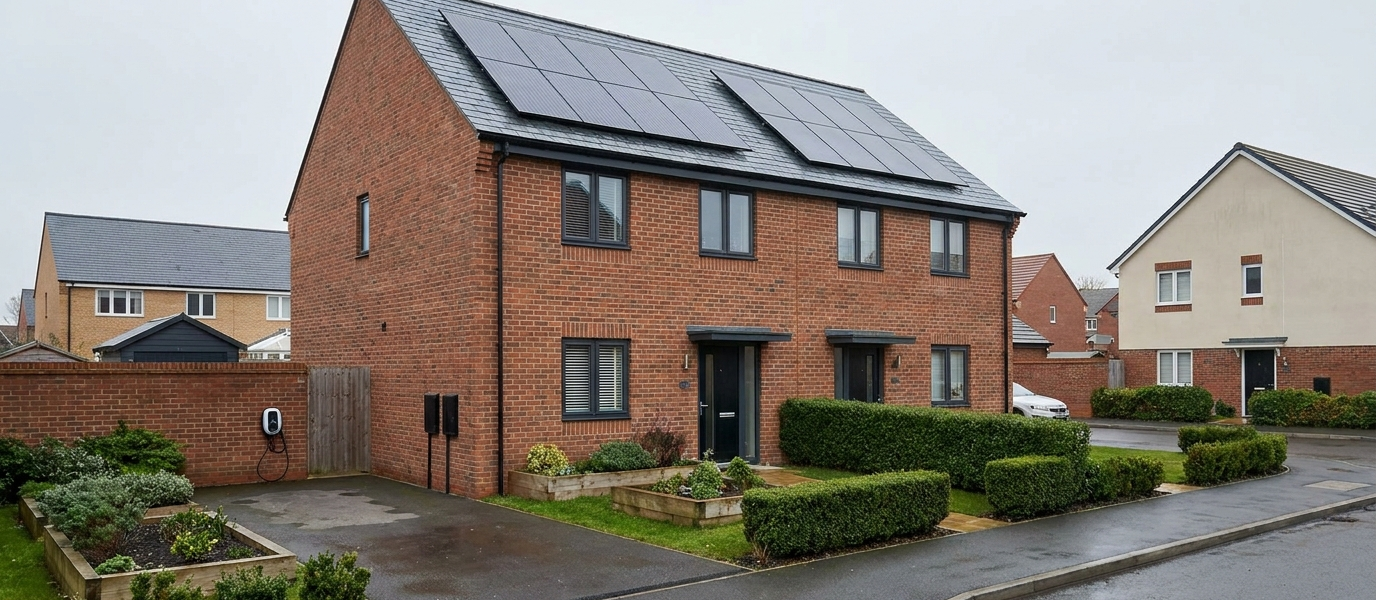
Clean Power 2030 will accelerate the shift to electric heating and generation. The Boiler Upgrade Scheme, which offers £7,500 for heat pumps, has seen applications rise 30% year-on-year. But the mission may also introduce new requirements. The EPC rating system, currently advisory for most homes, could become mandatory for sales and lettings by 2028. Homes with electric heating or solar panels already score higher, a 3-bed semi with a heat pump and solar PV can jump from EPC D to B, saving up to £800 a year on bills.
Yet the upfront costs remain high. A heat pump installation typically costs £7,000–£13,000 after the grant. Solar panels for a standard home run £4,000–£6,000. Without cheaper finance, many households cannot afford the switch. The government’s planned £1bn Green Heat Finance Facility, expected in 2025, may offer low-interest loans, but details are sparse.
The EPC squeeze ahead
If the grid is to be clean by 2030, homes must be efficient enough to use that power wisely. Currently, only 40% of UK homes have EPC band C or above. The government’s Heat and Buildings Strategy aims for all homes to reach band C by 2035. But the Clean Power mission may force a faster timeline. A leaked report from the Department for Energy Security and Net Zero suggests that minimum EPC standards for owner-occupied homes could be introduced from 2028, requiring upgrades such as loft insulation (typically £300–£500) or cavity wall insulation (£2,000–£3,500).
Households that act early can lock in lower bills and avoid a last-minute scramble. The Energy Saving Trust recommends starting with a home energy audit, many local authorities offer free ones. The Great British Insulation Scheme closed on 31 March 2026. It funded insulation measures only and never covered windows or glazing.
Homeowners should check their EPC rating now. Those below band D should prioritise insulation and draft-proofing before considering solar panels or heat pumps. The clean power mission will not wait for those who delay.
Frequently Asked Questions
Network upgrades for Clean Power 2030 are expected to add roughly £40 a year to household bills by 2030, but savings from cheaper renewable generation could lower wholesale electricity costs by 15-20%, saving a typical 3-bed semi about £120 a year. Ofgem's latest price cap has already added £63 to the average annual bill from October 2024.
The Boiler Upgrade Scheme offers £7,500 for heat pump installations in England and Wales, with applications up 30% year-on-year. After the grant, a typical heat pump installation costs between £7,000 and £13,000.
Minimum EPC standards for owner-occupied homes could become mandatory from 2028, requiring upgrades like loft insulation (typically £300–£500) or cavity wall insulation. Currently, only 40% of UK homes have EPC band C or above, and the government aims for all homes to reach band C by 2035.
Solar panels for a standard UK home typically cost between £4,000 and £6,000. A 3-bed semi with a heat pump and solar PV can jump from EPC D to B, saving up to £800 a year on bills.
The government's planned £1bn Green Heat Finance Facility, expected in 2025, may offer low-interest loans to help households afford heat pumps and solar panels. However, details are still sparse, and without cheaper finance, many households cannot afford the switch.




