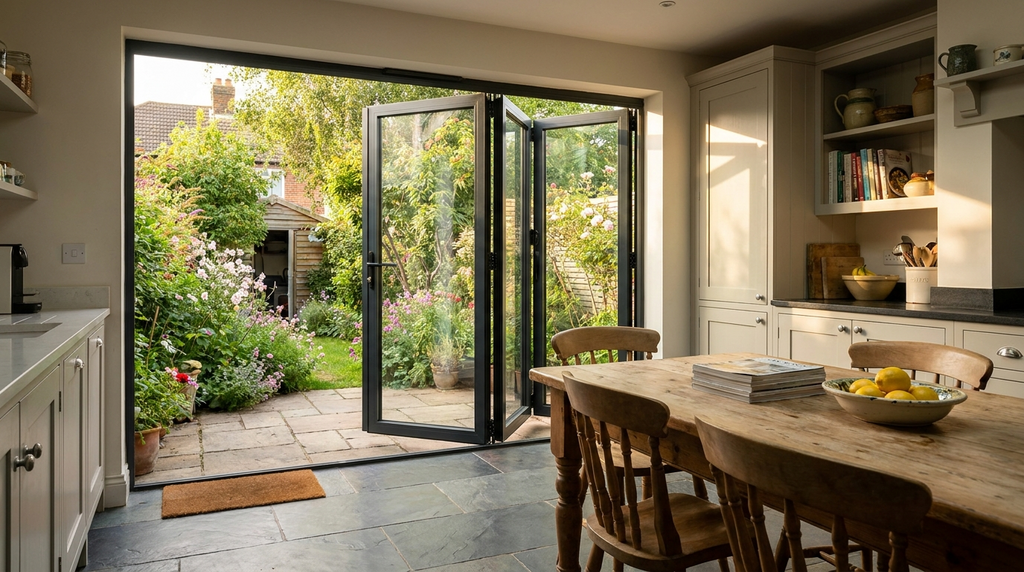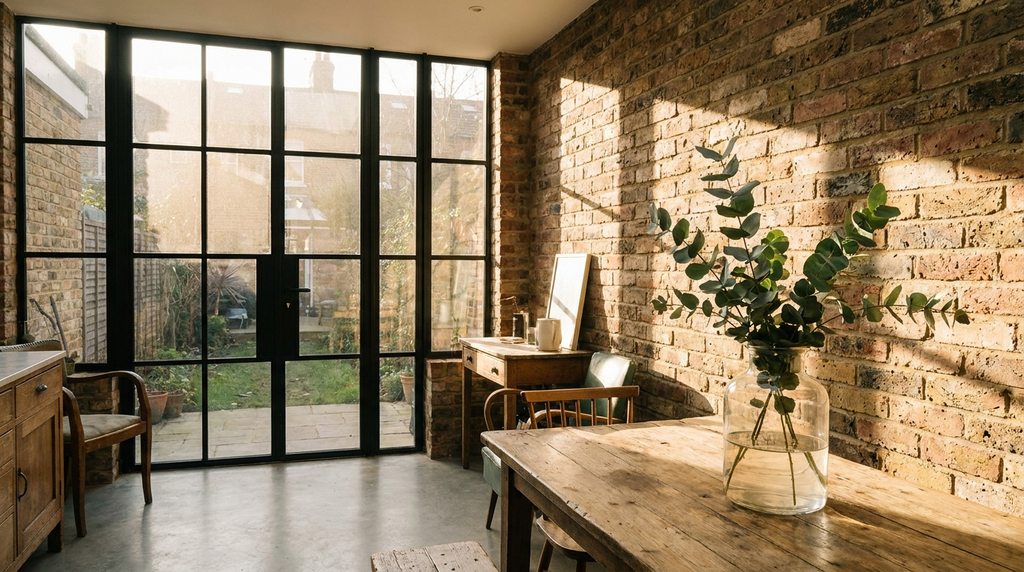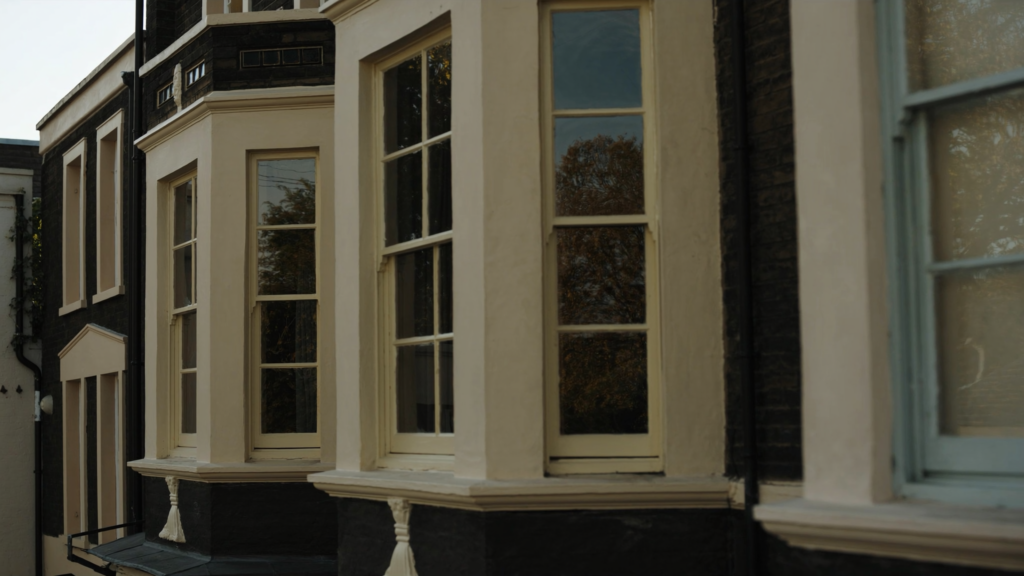
Yes, double glazing significantly reduces outside noise, typically cutting sound transmission by 30–40 decibels compared to single glazing, according to the Energy Saving Trust (Energy Saving Trust, 2026). This makes a clear difference for homes near busy roads, railways, or urban areas.
The exact noise reduction depends on the specific glazing design, the type of noise, and the condition of your existing windows. Low-frequency noise from traffic or aircraft is harder to block than higher-frequency sounds like voices. While standard double glazing helps, specialist acoustic glazing may be needed for extreme noise levels. The key factor is the gap between panes and the glass thickness, standard units often use 4mm glass with a 12–20mm gap, which works well for general noise.
Standard double glazing cuts noise by 30-40 decibels
Most modern double-glazed units with a 12–20mm air gap reduce sound by around 30–40 dB, as rated by the British Standard BS 8233 for sound insulation (BRE, 2026). This is enough to turn a busy road from a constant roar to a distant hum. For context, a 10 dB drop halves perceived loudness. So a 40 dB reduction makes traffic noise sound roughly one-sixteenth as loud. However, older double glazing with narrow gaps or thin glass may only achieve 25–30 dB reduction, especially if seals are worn.
Acoustic glazing offers better soundproofing for extreme noise
If you live near a motorway, railway line, or flight path, standard double glazing might not be enough. Acoustic glazing uses thicker glass, often 6–10mm per pane, and a wider gap of 20–30mm, sometimes with a laminated interlayer that dampens vibration. This can achieve 45–50 dB reduction, according to the Glass and Glazing Federation (GGF, 2026). Laminated glass is especially effective at blocking low-frequency noise from engines or trains. Retrofitting acoustic units costs more, around £500–£800 per window versus £300–£500 for standard double glazing, but may be essential for acceptable indoor quiet.
Installation quality and window condition matter as much as glass
A poorly fitted double-glazed window will leak sound through gaps around the frame, even with the best glass. The Energy Saving Trust stresses that proper installation by a certified FENSA-registered installer is critical (FENSA, 2026). Draught-proofing strips, sealing around the frame, and ensuring the window closes tightly all improve noise reduction. If your existing double glazing has broken seals or warped frames, replacing the whole unit rather than just the glass may be more cost-effective for noise control. Secondary glazing, adding an extra pane inside, is another option for listed buildings where double glazing isn’t permitted.
A worked example
A typical 1930s semi-detached house in Birmingham with standard double glazing near a main road would cost roughly £4,200 to upgrade to acoustic laminated glass units across 10 windows.Glazing is standard-rated for VAT at 20%. The zero rate for energy-saving materials covers insulation, heat pumps and solar panels; HMRC names secondary and double glazing as excluded (VAT Notice 708/6). The Energy Saving Trust estimates that a 10 dB reduction halves perceived loudness, so switching from standard 30 dB reduction to acoustic 40 dB reduction makes traffic noise sound one-quarter as loud. Payback is not about energy savings here, but about comfort and property value, with noise reduction lasting the full 25-year lifespan of the sealed units.
| Item | Figure |
|---|---|
| Upfront cost after grants | £4,200 |
| Yearly savings | £0 (comfort upgrade only) |
| Payback period | Not applicable |
| 25-year lifetime savings | £0 (but noise reduction is permanent) |
What homeowners often get wrong
The most common mistake is believing all double glazing reduces noise equally, when the glass thickness and gap width determine performance. Here are three frequent errors homeowners make.
- Thicker glass alone fixes noise Many people assume 6mm glass on both panes is best, but mismatched thicknesses (e.g. 4mm and 6mm) actually block more sound by disrupting resonance. Using identical thick glass can leave you with a £500 higher bill for minimal gain.
- Secondary glazing is always worse Some think secondary glazing is inferior, but a well-fitted secondary system with a 100mm gap can outperform standard double glazing, cutting noise by 45–50 dB. Installing cheap secondary glazing with a narrow gap wastes £300–£800 and misses the real benefit.
- New double glazing solves all noise Homeowners often replace windows expecting silence, but if the frame or wall has gaps, noise leaks in anyway. Sealing the window frame with acoustic caulk costs £50–£100 and can improve reduction by 5–10 dB, whereas ignoring it voids the warranty on the glass.
Quick reference
- Standard double glazing with a 12–20mm gap reduces noise by 30–40 decibels, enough to turn a busy road into a distant hum.
- Acoustic laminated glass can achieve 40–50 dB reduction, which is recommended for homes within 100 metres of a motorway or railway line.
- You do not need planning permission for replacement double glazing in England, but listed buildings may require consent for acoustic upgrades.
- A 10 dB reduction halves perceived loudness, so a 40 dB drop makes traffic noise sound roughly one-sixteenth as loud to the human ear.
- Fitting new double glazing without sealing gaps around the frame can waste 30% of the noise reduction potential, according to the BRE.
Frequently Asked Questions
Standard double glazing blocks 30–40 decibels of noise, according to the Energy Saving Trust. This can reduce traffic noise to a distant hum.
Triple glazing can reduce noise by an extra 3–5 dB over double glazing, per the BRE. Double glazing is often sufficient for most homes unless noise levels are extreme.
Acoustic laminated glass with a thicker inner pane and wider gap (e.g. 20mm) offers the best noise reduction. The BRE recommends this for homes near busy roads or railways.