Why Appleby-in-Westmorland Homeowners Are Taking Double Glazing Seriously Right Now
If you live in Appleby-in-Westmorland, you already know what cold feels like. Set in the Eden Valley in Cumbria, this small market town sits in one of the most thermally demanding parts of England, surrounded by the North Pennines to the east and the Lake District fells to the west. When a Helm wind sweeps down from the Cross Fell escarpment in January, a draughty single-glazed window is uncomfortable and genuinely expensive.
With an average EPC rating of Band D across the town’s housing stock, and gas consumption running at around 13,600 kWh per year, above the national median, there’s a clear case that homes here are working harder than they should be to stay warm. Double glazing is one of the most immediate, visible ways to change that, and in a town of fewer than 3,000 people, word travels fast when a neighbour knocks 20% off their heating bill.
There’s also a practical urgency around property values. Appleby-in-Westmorland attracts buyers who appreciate the rural character, the famous horse fair, and the Eden Valley setting, but modern buyers, especially those coming from Penrith or further afield, expect decent energy performance as standard. Single-glazed sash windows might look characterful in estate agent photos, but they’ll flag up on a home survey and drag your EPC score down.
What Double Glazing Actually Involves for a Typical Appleby-in-Westmorland Home
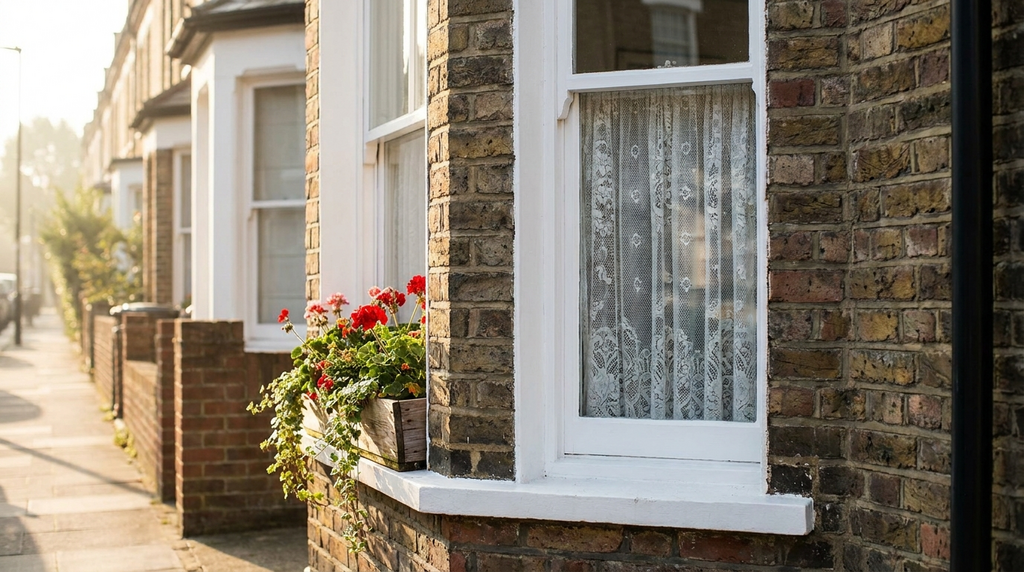
Most of the housing stock in Appleby-in-Westmorland falls into two broad eras, pre-1919 stone-built terraces and semi-detached properties, particularly around the town centre, Doomgate, and the older streets close to the castle, and post-war semi-detached homes on the edges of town. Each era brings its own quirks for double glazing.
The older stone-built properties, many of which were constructed using the local red sandstone, often have deep window reveals. This is actually good news, because it gives installers more to work with when fitting new frames. However, the original window openings may not be perfectly square after a century or more of settlement, which adds time to the survey and fitting process.
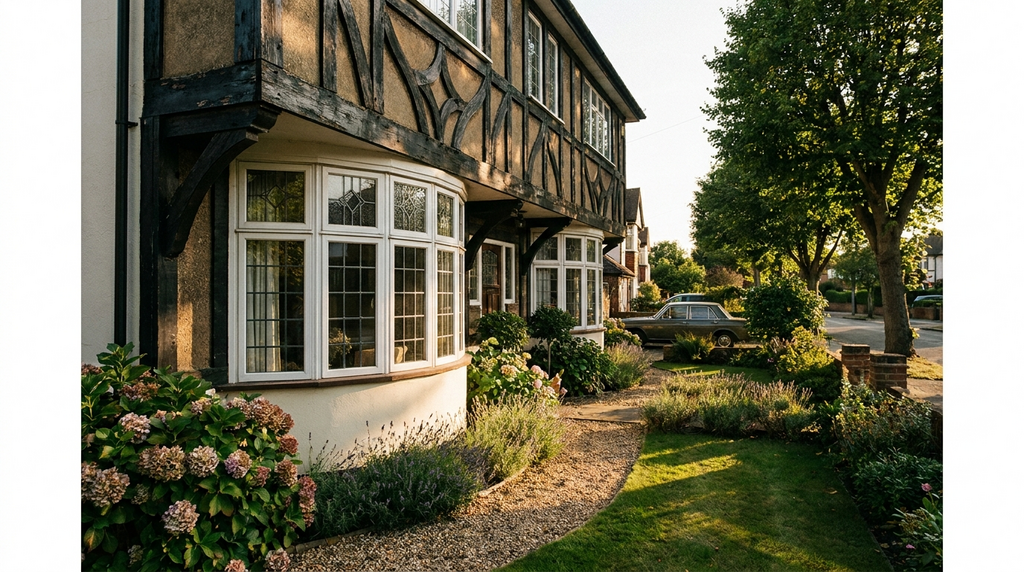
For the post-war semis, standard uPVC double glazing is usually a straightforward fit. Bay windows are common on this era of property, and these require slightly more careful measuring and corner joining, something a good local installer will factor into the quote from the start.
Key practical considerations for Appleby-in-Westmorland homes
- Stone reveals on older properties may need render or timber infill around new frames to achieve a weathertight finish
- Some terraced properties on narrow streets have limited access for scaffold towers or delivery vehicles
- Original iron window furniture in pre-1919 homes may need replacement alongside the glazing
- Many homes in the Eden Valley still use solid wall construction, so thermal bridging at the window frame is worth discussing with your installer
- Properties within or adjacent to the Appleby-in-Westmorland Conservation Area face additional planning requirements (more on this below)
One thing that makes Appleby-in-Westmorland different from larger towns is the absence of a large local installer base. You will almost certainly be using a company that travels from Penrith, Kendal, or occasionally from Carlisle. This is entirely normal and doesn’t mean you’re getting a second-rate service, but it does mean planning your installation with lead times in mind.
How Much Double Glazing Costs in Appleby-in-Westmorland and the Surrounding Area in 2026
Pricing for double glazing in and around Appleby-in-Westmorland sits slightly above the national average, primarily because of the travel time built into contractor quotes from the nearest installation hubs in Penrith and Kendal. Expect to see a modest “rural surcharge” built into most quotes, typically an additional £150 to £300 per job depending on the company.
| Property Type and Scope | Appleby-in-Westmorland Estimate | North West Average | National Average |
|---|---|---|---|
| 2-bed terrace, 6–8 windows, standard uPVC | £3,800 – £5,200 | £3,500 – £4,800 | £3,200 – £4,600 |
| 3-bed semi-detached, 8–10 windows, standard uPVC | £4,800 – £6,500 | £4,400 – £6,000 | £4,200 – £5,800 |
| 3-bed semi with bay window, uPVC | £5,500 – £7,500 | £5,000 – £7,000 | £4,800 – £6,800 |
| Timber double glazed frames (heritage/conservation) | £7,500 – £12,000 | £7,000 – £11,500 | £6,500 – £11,000 |
| Triple glazing upgrade (full house, 3-bed semi) | £7,000 – £10,000 | £6,500 – £9,500 | £6,000 – £9,000 |
These figures assume standard installation without major structural remediation. If your window reveals need significant stone or render repair work, that can add £300 to £800 to the total. Always ask for a full itemised quote before signing anything.
Getting three quotes is particularly important here because the small number of installers serving Appleby-in-Westmorland means pricing can vary considerably. A Penrith-based company doing a job nearby will price differently than a Kendal firm making a special trip. Both might do excellent work, comparison is just good housekeeping.
How Appleby-in-Westmorland’s Weather and Location Shape Your Choices
The Eden Valley has a climate that’s genuinely different from much of England. You’re sitting at an inland elevation, Appleby itself is around 120 metres above sea level, and surrounded by high ground that channels cold air down into the valley during winter. The town accumulates between 1,900 and 2,100 heating degree days per year, which puts it firmly in the “high demand” bracket for space heating.
Rainfall here is moderate by Cumbrian standards, around 750 to 850mm annually, which is far less than the Lake District fells nearby, but the combination of cold temperatures and damp air is exactly what makes thermal bridging around window frames so damaging in older properties. Where warm interior air meets a cold single-glazed pane, you get condensation, mould, and eventually timber rot in older frames.
The practical advice this leads to is straightforward, when choosing double glazing for an Appleby-in-Westmorland home, prioritise the thermal performance of the spacer bar (the strip between the two glass panes) as much as the glass itself. Warm-edge spacer bars made from polymer or stainless steel rather than standard aluminium reduce condensation dramatically in the Eden Valley’s damp-cold winters.
Wind exposure is worth noting too. The Helm wind, the only named wind in England, funnels from the North Pennines and can create significant localised gusts around the town. Windows on the east-facing elevation of your property should be specified with solid locking mechanisms and checked for weatherseal quality. A window that performs well on a calm day in Kendal may rattle and let draughts in during a February Helm event.
The Products and Specifications That Actually Perform Well Here
Given everything above, here’s what a genuinely experienced installer would recommend for a typical Appleby-in-Westmorland home in 2026, and this isn’t generic advice, it’s shaped by the specific conditions of the Eden Valley.
Glass specification
- Low-E (low emissivity) glass as a minimum, look for a U-value of 1.2 W/m²K or better for the whole window unit
- Argon gas fill between the panes, this is standard on most modern double glazing but worth confirming in writing
- Warm-edge spacer bars, specify these explicitly, not all installers include them as default
- For east-facing elevations, consider laminated glass for improved wind resistance and security
Frame materials
- White uPVC is the most cost-effective option and works well aesthetically on post-war semis throughout Appleby-in-Westmorland
- Coloured uPVC (anthracite grey, cream, or woodgrain foils) suits older stone-built terraces better and rarely costs much more than white
- Timber frames are required in some conservation area properties, engineered timber performs better than solid timber in the Eden Valley’s damp conditions
- Aluminium frames are worth considering for larger panes and contemporary extensions, though they require a thermally broken profile in this climate
Triple glazing is worth serious consideration if you’re already investing in a full house replacement. The additional upfront cost of roughly £1,500 to £2,500 over standard double glazing for a typical semi is increasingly justifiable given Eden Valley winters, and it pushes whole-window U-values down to 0.8 W/m²K or better.
Finding a Trustworthy Installer Who Will Actually Come to Appleby-in-Westmorland
Being blunt, you won’t find a dedicated double glazing company based in Appleby itself. The town’s population of under 3,000 doesn’t support specialist trades at that scale. What you will find are excellent installers based in Penrith (around 20km north), Kendal (33km south), and occasionally Ambleside and Windermere (both around 35km to the west). Many of these companies routinely cover the Eden Valley and are familiar with local stone properties and conservation area requirements.
Certifications to look for
- FENSA registration, This is the big one for double glazing. A FENSA-registered installer self-certifies that the installation meets building regulations, saving you from needing a council inspection. Always check the FENSA register online before signing a contract.
- TrustMark accreditation, Government-endorsed quality scheme, increasingly relevant for grant-funded work
- Which? Trusted Traders, Not mandatory but a good independent quality signal
- Membership of the Glass and Glazing Federation (GGF), Industry body with a deposit protection scheme
Questions worth asking any installer
- Have you worked on stone-built properties in the Eden Valley before
- Do you include warm-edge spacer bars as standard or as an upgrade
- What warranty do you offer on frames, glass, and installation (10 years minimum on frames is reasonable)
- Do you handle any required planning applications for conservation area properties
- How do you handle access to properties on narrow streets
Lead times from Penrith and Kendal installers for Appleby-in-Westmorland jobs currently run at around 6 to 10 weeks from survey to fitting, though this shortens outside the busiest spring and autumn periods. Get your survey booked early if you want to beat the summer rush.
Grants and Funding Available to Appleby-in-Westmorland Residents in 2026
Funding for double glazing specifically has become more targeted in recent years, but there are still meaningful routes to financial support for Appleby-in-Westmorland homeowners, particularly given the town’s rural character and above-average heating demands.
ECO4 (Energy Company Obligation, Phase 4)
If your household is on certain means-tested benefits, or if your property is EPC Band D or below and you meet income criteria, you may qualify for ECO4 funding that could cover double glazing as part of a wider retrofit package. A Band D rating, which is the average for homes in Appleby, puts many properties right at the qualifying threshold. Contact your energy supplier directly, or use the government’s ECO4 eligibility checker online.
Properties in Council Tax bands A to D in areas of high fuel poverty are prioritised. Westmorland and Furness Council, which covers Appleby-in-Westmorland following local government reorganisation, administers referrals at the local level. Contact their housing energy team for a referral assessment.
Westmorland and Furness Council Local Authority Delivery
Westmorland and Furness Council has been active in accessing central government funding for energy efficiency improvements across its rural communities. Given that much of the Eden Valley is classified as a fuel poverty risk area, there have been targeted retrofit schemes for low-income households. Check the council’s housing and energy pages for current live schemes, these change as funding rounds open and close.
Warm Homes: Local Grant
This replaced and expanded earlier local authority retrofit programmes. Owner-occupiers and private landlords with low-income tenants may be eligible for grants of up to £15,000 for a package of improvements including glazing. Appleby-in-Westmorland falls within scope given its rural designation and fuel poverty indicators.
Be cautious of any company that proactively contacts you claiming to arrange “free double glazing”, legitimate grant schemes require an independent assessment first, not a door-to-door sales pitch.
Planning Permission and Conservation Area Rules in Appleby-in-Westmorland
For most homeowners in Appleby-in-Westmorland, replacing like-for-like windows with double glazing falls under permitted development rights. This means no planning application is needed, as long as you’re not in a conservation area and the work doesn’t materially alter the appearance of the building.
However, Appleby-in-Westmorland town centre, including much of the area around the castle, Boroughgate, and the historic market streets, falls within a designated Conservation Area. Within this area, replacing windows requires either a planning application or, in some cases, a Local Development Order consent. The key rule is that replacement windows must match the original in appearance, material, profile depth, and colour all matter.
If your property is in or adjacent to the conservation area, you should
- Contact Westmorland and Furness Council’s planning department before placing an order with any installer
- Ask specifically whether your address triggers conservation area controls
- Expect to use timber or heritage-style uPVC frames rather than standard white uPVC
- Note that double-glazed units can often be installed within period-appropriate timber frames, this is the most common approved route for conservation area properties
- Budget for the planning application fee if required, currently £206 for a householder application