Why Carlisle Homeowners Are Looking at Double Glazing Right Now
There’s a reason double glazing conversations are picking up across Carlisle’s terraced streets and suburban estates. When you’re sitting in a Victorian mid-terrace in Denton Holme or a 1960s semi on Botcherby, you know the cold. Carlisle winters are serious, this is one of the coldest cities in England, sitting in the Eden Valley corridor where cold air funnels down from the Scottish borders. Average heating degree days here run between 1,800 and 2,200 per year, which is noticeably higher than southern England and even warmer parts of the North West.
Add to that an average gas usage of around 13,000 kWh per year, right at the national median but fuelled by genuinely cold winters rather than inefficient behaviour, and you start to see why upgrading your windows is a comfort choice and a financial one. With energy bills still stubbornly high in 2026, draught-rattling single glazing and failed double-glazed units from the 1990s are costing Carlisle households real money every month.
There’s also a generational replacement wave happening right now. A huge amount of the double glazing installed during the 1990s and early 2000s boom across Carlisle’s post-war housing estates, Harraby, Upperby, Morton, is now 25 to 30 years old. Seals fail. Spacer bars corrode. Units go cloudy and lose their thermal performance. If your windows look misted between the panes, they’ve already lost most of their insulating value and replacing them isn’t optional, it’s overdue.
What Double Glazing Actually Involves for a Typical Carlisle Home
Let’s talk about what you’re actually dealing with when you live in one of Carlisle’s most common property types. The city’s housing stock is dominated by terraced and semi-detached homes, and they span a wide range of eras, Victorian and Edwardian terraces in Caldewgate, Botchergate, and Denton Holme, 1930s semis in Currock and Wreay Road, and postwar estates built through the 1950s to 1970s across Harraby, Upperby, and Morton.
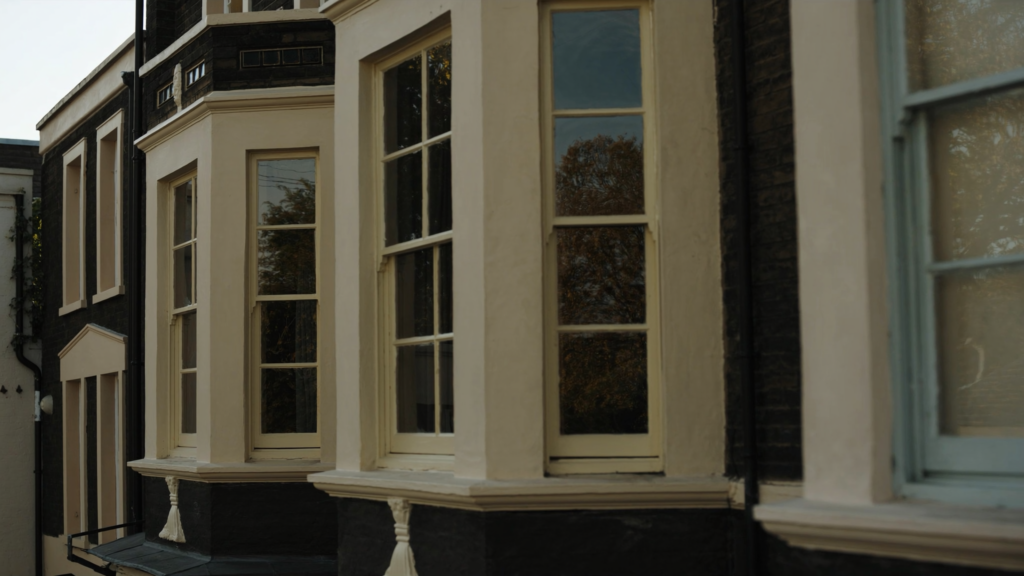
Each era brings different considerations for double glazing installation. Victorian terraces typically have solid 9-inch brick walls with original timber box sash windows or later replacement casements. The frames on these homes are often non-standard sizes, meaning you’ll need bespoke units rather than stock items, factor that into your budget. Sash windows also require specific sash-compatible double-glazed replacements or slim-profile secondary glazing if you’re in a conservation area.
The 1930s semis are usually more straightforward. They tend to have standard-sized casement windows in good structural reveals, and most have already had one round of double glazing at some point. If you’re on the second replacement cycle, you’re looking at a fairly clean swap, remove old unit, fit new frames, make good around the reveal. A typical three-bed 1930s semi in Currock or Harraby can usually be done in one day by an experienced two-person crew.
Postwar brick estates from the 1950s and 1960s are often the trickiest. Window openings can be non-standard, some properties have partial cavity walls that complicate the reveal depth, and a few estates still have original steel Crittall-style frames that require specialist removal. Worth checking before you get quotes, as some installers will add a surcharge for these.
Access is generally good across Carlisle compared to denser cities. Even in the tighter terraced streets around Denton Holme, you rarely have the parking and scaffolding nightmares of somewhere like central Manchester. That moderates your labour costs a little, which is good news.
How Much Double Glazing Costs in Carlisle and the North West Area in 2026
Pricing in Carlisle sits slightly below the national average, you benefit from moderate labour costs and a healthy local installer market that keeps competition active. Even so, you’re further from large glazing suppliers than cities like Manchester or Preston, and some specialist products carry a small freight premium. Here’s a realistic pricing guide for 2026.
| Property Type | Number of Windows | Standard uPVC Double Glazing | A-Rated uPVC Upgrade | Timber or Aluminium Frames |
|---|---|---|---|---|
| 2-bed terraced | 4 to 6 windows | £2,800 to £3,800 | £3,400 to £4,600 | £4,200 to £6,500 |
| 3-bed semi-detached | 6 to 8 windows | £3,800 to £5,200 | £4,600 to £6,400 | £5,800 to £9,000 |
| 3-bed terraced | 6 to 8 windows | £3,500 to £4,800 | £4,200 to £5,800 | £5,500 to £8,500 |
| 4-bed detached | 9 to 12 windows | £5,500 to £7,800 | £6,800 to £9,500 | £9,000 to £14,000 |
| Individual window (like-for-like) | 1 window | £400 to £650 | £520 to £800 | £750 to £1,400 |
Compared to the North West average, Carlisle typically comes in around 5 to 10% lower than Greater Manchester pricing and roughly in line with Penrith and Cockermouth. Keswick and the Lake District can be pricier due to conservation restrictions and trickier access, if you’re getting quotes from firms based there, check whether they have a standard service area surcharge for Carlisle.
Prices include installation, VAT, and a standard 10-year guarantee. They do not include any decorating or internal plasterwork if your reveals need making good after installation, allow £150 to £300 extra if your walls need attention.
How Carlisle’s Weather and Location Affect Your Double Glazing Choices
Carlisle’s position matters more than people realise for choosing the right glazing specification. You’re in a cold inland corridor, not coastal like Whitehaven, not as sheltered as Penrith’s valley floor, but exposed to cold northerlies and easterlies that sweep down from the Solway Plain and Bewcastle Fells. This means thermal performance should be your primary driver, not aesthetics.
Rainfall is moderate, around 800mm to 900mm per year in the city itself, though the Eden Valley can see bursts of heavy rain when fronts come in from the west. This makes frame seal quality and drainage channel design important. Cheap uPVC profiles with inadequate drainage can pool water in the bottom rail and cause premature seal failure, something to watch for in budget quotes.
The cold winters here mean you want the best U-value you can afford. Standard double glazing delivers a U-value of around 1.4 W/m²K, but triple glazing or premium argon-filled double glazing can get you down to 0.8 to 1.0 W/m²K. In Carlisle’s climate, that difference is tangible on your heating bill rather than being theoretical.
Solar gain is worth thinking about too. Yes, Carlisle only gets 850 to 1,000 sunshine hours per year, but south-facing rooms can still benefit from high solar gain glazing to help with passive heating through the winter months. For north-facing rooms on your exposed northern side, low-emissivity (Low-E) coatings are non-negotiable, they keep heat inside without sacrificing light.
The Products and Options That Work Best Here
Based on Carlisle’s climate and housing stock, here’s what actually makes sense rather than what sounds impressive in a brochure.
- Argon-filled A-rated double glazing, This is the sweet spot for most Carlisle homes. It offers a substantial step up from standard air-filled units, works with standard frames, and delivers U-values around 1.1 to 1.4 W/m²K. Most installers carry this as a standard option now, so it shouldn’t cost a fortune over entry-level.
- Low-E soft coat glass, Essential for north and east-facing windows. The coating reflects internal heat back into the room rather than letting it escape through the glass. In Carlisle’s winters, this is where you feel the difference in draughts and cold spots near windows.
- Triple glazing for living rooms and master bedrooms, If you’re on a busy road, the A69, A7, or anywhere near the Botchergate area, triple glazing gives you acoustic as well as thermal benefits. It adds roughly £150 to £250 per window over premium double glazing, but for rooms you use constantly, it’s worth it.
- Warm-edge spacer bars, Often overlooked, but important. Standard aluminium spacer bars conduct cold from the outer pane to the inner around the edge, creating cold rings that cause condensation. Foam or thermoplastic warm-edge spacers eliminate this and improve overall U-value by a measurable amount. Ask your installer specifically about this.
- Mechanically jointed uPVC frames in a 70mm or 76mm profile, For Carlisle’s older terraces, a deeper frame profile handles the thicker original reveal better and gives you more room for quality insulation foam around the frame perimeter.
For heritage properties in the Carlisle conservation areas, particularly the Cathedral Quarter, Stanwix, and parts of Botchergate, slim-profile double glazed units in either painted timber or powder-coated aluminium are the way to go. They meet planning requirements while still delivering meaningful thermal improvement over single glazing.
How to Find a Trustworthy Double Glazing Installer Near Carlisle
The good news is that Carlisle has a solid cluster of established local glazing firms, and installers from Penrith, Cockermouth, and Appleby-in-Westmorland regularly cover the city too, so you’re not short of choice. The challenge is knowing what separates a reliable installer from one who’ll be hard to track down when your warranty matters.
Look for these specific accreditations before committing.
- FENSA registration, This is the big one for replacement windows. FENSA-registered installers self-certify that their work meets Building Regulations, which saves you applying for a completion certificate separately. Always ask for proof of FENSA membership, not just their word.
- TrustMark, Government-endorsed quality scheme. TrustMark installers have been vetted for both technical competence and trading standards compliance. Particularly useful when applying for grant funding.
- CERTASS membership, An alternative to FENSA for self-certification of window installations. Either is acceptable.
- Which Trusted Trader or Checkatrade reviews, Look for volume of reviews and consistency, not just star rating. A Carlisle-based installer with 80 local reviews tells you far more than a national company with glossy brochures.
Questions worth asking before you sign anything, Do they manufacture their own frames or source from a fabricator? What is their lead time currently (typically 4 to 8 weeks in the North West right now)? Who handles aftercare if there’s a fault, the installer or a separate warranty company? Get the answer to that last one in writing.
Red flags to watch for, pressure to sign the same day, unusually low quotes that don’t include VAT, vague answers about frame specifications, and any suggestion that you don’t need a FENSA certificate. You always need a FENSA certificate, it’s required for building regulations compliance and matters when you sell your house.
Grants and Funding That Could Reduce Your Costs in 2026
Double glazing is one of the trickier home improvements to get fully funded, most grant schemes prioritise insulation and heating, but there are real options available to Carlisle residents in 2026 that are worth pursuing before you spend a penny of your own money.
ECO4 Scheme
The Energy Company Obligation (ECO4) scheme requires large energy suppliers to fund energy efficiency measures for eligible low-income households. Windows can be included as part of a wider package, typically alongside insulation, but you usually need to be on qualifying benefits (Universal Credit, Pension Credit, income-based JSA or ESA) and have a low EPC rating. Given Carlisle’s average Band D rating, many older properties will qualify. Apply through your energy supplier or via Cumberland Council’s referral pathway.
Great British Insulation Scheme (GBIS)
The Great British Insulation Scheme closed on 31 March 2026. It funded insulation measures only and never covered windows or glazing. Properties rated Band D or below in lower-income council tax bands can qualify without being on benefits. Worth checking, a significant proportion of Carlisle’s terrace stock falls right in the target band.
Warm Homes Plan
The government’s Warm Homes Plan, rolling out through 2026, provides grant funding for lower-income households upgrading to more efficient homes. Windows can form part of the approved measures. Cumberland Council administers local referrals, so contacting them directly at Civic Centre on Rickergate is the fastest route to checking eligibility.
Cumberland Council Local Support
Cumberland Council (which replaced the old Carlisle City Council in 2023) has its own Home Energy Efficiency programme. Eligible residents, particularly those in fuel poverty or on fixed incomes, can access additional support on top of national schemes. The council has been active in targeting older terrace properties in Denton Holme, Caldewgate, and Botchergate for retrofit support. Check the Cumberland Council website or call their housing team for the current offer.
Important note, always check that any installer you use is registered with TrustMark and PAS 2035 compliant before applying for grant-funded work. Grant schemes require this, and using a non-compliant installer will invalidate your application.
Planning Permission and Regulations in Carlisle
For most Carlisle homeowners, replacing double glazing does not require planning permission. Under permitted development rights, you can replace windows like-for-like in most residential properties without any application to Cumberland Council. However, there are important exceptions.
If your home is in a designated conservation area, which applies to parts of Stanwix, the Cathedral Quarter, and areas around Castle Street and the historic centre, there are specific rules. In conservation areas, you cannot use uPVC frames to replace timber originals without planning consent. The council’s general policy is to require timber or powder-coated aluminium frames that match the character of the area. Flush casements rather than storm-proof profiles are typically required to avoid shadow gaps that look modern against period brickwork.
Listed buildings are a separate matter entirely. If your home is Grade I or II listed, there are around 400 listed buildings in the Cumberland area, you will need Listed Building Consent for any window replacement, and single-p