Why Cockermouth Homeowners Are Looking at Double Glazing Right Now
If you live in Cockermouth, you already know what a Cumbrian winter feels like. The town sits in the Cocker Valley, set between the northern fells and the edge of the Lake District National Park, and that geography means cold, damp air that has a way of finding every gap around an ageing window frame. With an average of just 850 to 1,000 sunshine hours a year and heating degree days pushing well above 2,000 in a bad winter, your boiler is working harder than it would be in most English towns.
The flood events that have repeatedly affected parts of Cockermouth, particularly around the town centre near the Cocker and Derwent confluence, have also prompted many homeowners to take a long, hard look at how weathertight their properties actually are. Window frames, seals, and glazing quality suddenly feel a lot more important when you’ve seen what water ingress can do.
There’s also the energy bill factor. With average gas usage here sitting at around 13,600 kWh per year (above the national median of 12,000 kWh), and EPC ratings clustering around Band D across much of the town’s housing stock, there’s a very real financial case for upgrading your glazing in 2026. The savings aren’t just theoretical, they show up in your Direct Debit every month.
What Double Glazing Actually Involves for a Typical Cockermouth Home
Cockermouth’s housing stock tells a story. The town grew steadily from the Victorian era through to mid-20th century expansion, and a walk down Sullart Street, South Street, or around the Castlegate area gives you a quick education in the mix of stone-built terraces, brick semi-detacheds, and the occasional Georgian townhouse that dominate here.
For most terraced homes in the town centre and older residential streets, the key challenge is the original timber sash or single-glazed casement windows. These are often set into thick stone or solid brick walls, which means the reveal depth is deeper than on a modern build. That’s actually fine for double glazing installation, but it does mean the job takes more care, and a less experienced fitter might leave you with ill-fitting frames and draughts that are almost as bad as what you started with.
Semi-detached homes built in the 1930s to 1970s, which you’ll find in larger numbers out towards the A595 corridor and in estates like Strawberry How, often have standard casement windows and brick cavity walls. These are generally the most straightforward double glazing installations. The windows are easier to source in standard sizes, and there are no listed building complications to navigate.
A few things to think through before you book anyone in
- Stone reveals in older properties often need careful measurement, take your own measurements and compare them to the installer’s to catch any discrepancies early
- Some Victorian terraces in Cockermouth have slim front elevations with very little depth for a new frame, check whether a slimline double glazed unit is more appropriate than a standard one
- If your home backs onto the river or sits in one of the lower parts of town, specify frames with enhanced weather seals rated to at least IP44, standard seals can struggle with the moisture levels here
- Parking and access around the older central streets can be tight, a good installer will know this and factor it into their quote, but it’s worth discussing upfront
How Much Double Glazing Costs in Cockermouth and the North West Area in 2026
Let’s talk real numbers. Cockermouth is a small town of just under 9,000 people, which means most double glazing companies serving it are based in Carlisle (38km away), Workington (16km), or Penrith (39km). That’s important because it affects call-out costs and sometimes materials delivery. You’re unlikely to get the sharpest prices that a homeowner in central Manchester would, but you’re also not paying London rates. Think of it as sitting around 5 to 10% above the North West urban average.
| Window Type and Property Size | Cockermouth Estimate | North West Average | National Average |
|---|---|---|---|
| 2-bed terraced (6 windows, uPVC casement, A-rated) | £3,200 – £4,400 | £2,900 – £4,100 | £2,700 – £3,900 |
| 3-bed semi-detached (8 windows, uPVC casement, A-rated) | £4,200 – £5,800 | £3,900 – £5,400 | £3,600 – £5,200 |
| 3-bed terraced with bay window (9 units, uPVC, A-rated) | £5,000 – £6,800 | £4,600 – £6,300 | £4,200 – £6,000 |
| 4-bed detached (10 windows, uPVC, A-rated) | £5,800 – £8,200 | £5,200 – £7,600 | £4,800 – £7,200 |
| Premium triple glazing upgrade (per window, added to above) | £150 – £280 extra per window | £130 – £250 extra | £120 – £240 extra |
| Timber or aluminium frames (alternative to uPVC, per window) | £500 – £900 per window | £450 – £850 per window | £420 – £800 per window |
These prices include supply, fitting, and removal of your old windows. They do not include scaffolding, which you might need for upper floor windows in a stone-built three-storey terrace, budget an extra £400 to £800 if that applies to you. VAT is included at 20%, though some installers still quote ex-VAT so always check.
Getting three quotes is standard advice, but in Cockermouth it genuinely matters more than in a city. The pool of local installers is smaller, and prices can vary significantly. One tip, companies that regularly serve the Keswick and Ambleside market (which has lots of conservation-sensitive work) often do the neatest finishes on older stone properties. It’s worth asking whether they have experience in those areas.
How Cockermouth’s Weather and Location Affect Your Double Glazing Choices
Sitting at the northern edge of the Lake District, Cockermouth gets a reasonable amount of the rainfall that piles up over the fells, though nowhere near as much as Borrowdale or Seathwaite further into the national park. You’re still looking at 800 to 1,000mm of rain per year, and the town’s position in a river valley means humidity levels stay elevated through autumn and winter.
That moisture environment has direct implications for what you should choose. Condensation between the panes is the enemy here, it means the gas-filled sealed unit has failed. Specify warm-edge spacer bars (the strip that separates the two panes) rather than standard aluminium ones. Warm-edge spacers reduce the temperature differential at the edge of the glass, which is exactly where condensation first forms. It’s a small upgrade that most installers will offer for £20 to £40 extra per window and it makes a genuine difference in a damp climate like this.
The prevailing wind in this part of Cumbria comes from the south-west, funnelled to some extent by the fell topography around the Cocker Valley. West and south-west facing windows take the most punishment. For those elevations specifically, a higher-specification weatherseal rating and thicker outer frame are worth the investment, don’t let an installer talk you into a budget-grade product for those faces of the house.
On the solar side, Cockermouth’s 850 to 1,000 sunshine hours per year is modest but usable. South-facing windows with a low-emissivity (low-E) coating will help trap passive solar heat in winter without causing overheating in summer. This is a free gain that works especially well in the long, narrow terraced homes typical of the town centre, where a south-facing rear can collect heat that then works its way through the whole property.
The Products and Options That Work Best Here
Based on Cockermouth’s climate, housing stock, and the practical realities of getting work done in a smaller Cumbrian town, here’s what I’d genuinely recommend rather than just listing options generically.
For most uPVC casement windows
- A-rated or A+-rated energy performance (minimum WER A rating)
- Argon-filled double glazed units, argon is better than air, krypton is better than argon but rarely worth the price premium here
- Warm-edge spacer bars as standard, not an upgrade
- Low-E coating on the inner pane (facing into the room) to reflect heat back in
- Multi-point locking as standard on all opening casements, not just a top and bottom lock
For homes in exposed positions or west-facing elevations
- Triple glazing is genuinely worth considering for west and north-facing windows in a house that gets full exposure, the extra cost per window pays back faster here than it would in a sheltered southern English location
- Look for a U-value of 0.8 W/m²K or lower for triple glazed units (standard double glazing typically achieves 1.2 to 1.4 W/m²K)
For older stone terraces in and around the town centre
- Slim-profile uPVC or composite frames that respect the original window proportions, aggressive white uPVC can look jarring on a Georgian or Victorian stone frontage
- If you want authenticity and budget allows, a timber frame with double glazed sealed units gives the best of both worlds on a period property
- Flush casement windows (where the opening pane sits flush with the outer frame rather than proud of it) look far more appropriate on pre-1920 properties
How to Find a Trustworthy Double Glazing Installer Near Cockermouth
There’s no shortage of double glazing companies claiming to cover Cockermouth, but the reality is that most will be travelling from Carlisle, Workington, Whitehaven, or Penrith. That’s not necessarily a problem, but it does mean you want to be sure they know the local quirks, have experience with Cumbrian stone properties, and aren’t just sending a crew that usually works on new-build estates.
Certifications to look for and what they actually mean
- FENSA registered, this is the key one for windows and doors. A FENSA installer self-certifies that the installation meets Building Regulations, which saves you needing separate council sign-off. Always ask for the FENSA certificate on completion
- CERTASS registered, the alternative competent person scheme to FENSA, equally valid
- TrustMark approved, a government-endorsed quality scheme that shows the installer has been vetted for trading standards and technical competence
- Which? Trusted Trader, useful additional assurance for a smaller local company
Questions worth asking any installer before you commit
- Are you FENSA or CERTASS registered and will you provide the certificate
- Who manufactures the frames and sealed units, and where are they sourced from
- What is the guarantee on the sealed unit specifically (you want at least 10 years against failure)
- Have you worked on stone-built terraced properties similar to mine before
- Do you carry your own public liability insurance and what is the cover level
Red flags to walk away from, any installer who asks for more than 25% deposit upfront, cannot provide references from local jobs, or pushes you to sign on the day of the survey. Reputable companies in this area typically have lead times of 4 to 8 weeks, so anyone claiming to start next week might be cutting corners or desperate for work.
Grants and Funding That Could Reduce Your Costs in 2026
The honest picture on grants for double glazing in 2026 is that standalone glazing grants are relatively rare, most funded schemes focus on insulation or heating. However, there are still routes worth exploring for Cockermouth homeowners.
The Energy Company Obligation (ECO4) scheme can fund double glazing as part of a wider package of energy efficiency improvements. To qualify, you generally need to be receiving means-tested benefits (such as Universal Credit, Pension Credit, or Child Benefit with household income under the threshold) or live in a property rated EPC Band D or below. With much of Cockermouth’s housing sitting at Band D, many households are in scope. Contact Cumberland Council (the unitary authority that now covers this area following the 2023 local government reorganisation) to be referred to a local ECO4 assessor, or approach energy suppliers directly.
Worth exploring if you’re planning a broader retrofit rather than just windows.
Warm Homes: Local Grant (formerly LAD Scheme)
Cumberland Council administers localised funding rounds for energy efficiency improvements. The eligibility criteria and funding levels change through the year as allocations are made, check the Cumberland Council website directly for the current round, or call their energy efficiency team. Homeowners in Cockermouth with an EPC below Band C and household income under £36,000 have historically been within scope for these schemes.
Warm Home Discount and Fuel Poverty Support
If you’re in or near fuel poverty, additional discretionary funds may be available through Cumberland Council’s housing team. It’s worth making a direct enquiry, particularly if you’re an older homeowner in a hard-to-heat older property.
One realistic note, do not make your double glazing decision contingent on getting a grant. The schemes are competitive and subject to change. Plan your budget as if you’re paying in full, treat any grant as a welcome bonus, and you won’t be disappointed.
Planning Permission and Regulations in Cockermouth
For most Cockermouth homeowners, replacing windows with double glazing falls under permitted development rights, meaning you do not need to apply for planning permission. This applies to the majority of terraced and semi-detached homes across the town, provided the replacement windows are broadly similar in appearance to the originals.
However, Cockermouth has a Conservation Area covering much of the historic town centre, including properties along Main Street, Market Place, and the streets running off them. If your home is within the Conservation Area, you need to be more careful. While permitted development rights still apply in most cases, the local planning authority (Cumberland Council, planning department) can place Article 4 Directions on specific streets or areas, which remove those rights and require a formal application.
Key points for Conservation Area properties
Frequently Asked Questions About Double Glazing in Cockermouth
In Cockermouth you can typically expect to pay between £400 and £700 per window for uPVC double glazing, with a full house replacement usually ranging from £4,000 to £12,000 depending on the number and size of windows. Timber or aluminium frames will push costs higher, often adding 30 to 50 percent on top of uPVC prices. Getting at least three quotes from local Cumbrian installers is the best way to nail down an accurate figure for your specific property.
The Great British Insulation Scheme closed on 31 March 2026. It funded insulation measures only and never covered windows or glazing. If your household is on a low income or you receive certain benefits, you could receive a significant contribution towards the cost of energy efficiency upgrades including glazing. Your first step should be contacting Cumberland Council or checking the government's Help for Households portal to see exactly what you qualify for.
Given Cockermouth's position in the Lake District fells and its often wet and windy climate, upgrading from single to double glazing can make a very noticeable difference to draughts, heat retention, and heating bills. Homes in Band D, which is the Cockermouth average, can often move up to Band C after glazing improvements, potentially saving hundreds of pounds a year on energy costs. Modern A-rated double glazing units are significantly more effective than older sealed units, so even replacing aging double glazing can deliver real savings.
Look for installers who are registered with FENSA or Certass, as these schemes mean your windows are certified to meet current building regulations without needing a separate council inspection. There are several reputable glazing companies operating across West Cumbria and the wider North West who cover the Cockermouth area regularly. Checking reviews on Checkatrade or Trustpilot and asking neighbours for personal recommendations are both great ways to find someone reliable locally.
Most standard double glazing replacements in Cockermouth fall under permitted development, meaning you won't need planning permission as long as the new windows are similar in appearance to the originals. However, if your home is in a conservation area or is a listed building, there are stricter rules and you will need to check with Cumberland Council before going ahead. Cockermouth town centre does have a conservation area, so it is worth confirming your property's status before ordering.
Cockermouth has a lot of traditional Lakeland stone properties where slim-profile or heritage-style uPVC and timber windows tend to look the most sympathetic to the original character of the building. If your property sits within the conservation area, Cumberland Council may require you to use frames that closely match the original timber sliding sash or casement style. A good local installer will be familiar with these requirements and can guide you towards options that satisfy both the planning conditions and your energy efficiency goals.
From the point of accepting a quote, most Cockermouth homeowners find that lead times run from four to eight weeks in 2026, depending on the installer's workload and whether bespoke sizing or heritage-style frames are needed. The actual installation for a typical semi-detached or terraced home usually takes one to two days once the windows arrive. Booking earlier in the year can sometimes mean a shorter wait, as demand tends to peak in autumn when homeowners are preparing for the Cumbrian winter.
Triple glazing offers better thermal performance and noise reduction than standard double glazing, which can be genuinely worthwhile in Cockermouth given the cold winters and exposure to prevailing westerly winds off the fells. The cost premium is typically 20 to 40 percent more than equivalent double glazing, so it makes most financial sense on north or west-facing elevations where heat loss is greatest. For most Cockermouth homes, high-quality A-rated double glazing will deliver excellent results, but if you are doing a full renovation or building new, triple glazing is well worth serious consideration.
Windows & Doors Companies Near Cockermouth
Latest Guides on Windows & Doors

Roof Lanterns and Skylights for UK Kitchen Extensions, A 2026 Buyer’s Guide
A roof lantern costs roughly three times more per square metre than a standard flat rooflight, but delivers significantly more natural light and architectural impact. If you are planning a kitchen extension, you will need to choose how to bring light into the new space. A roof lantern is a pitched, glazed structure that sits […]

Internal vs External Window Beading – Security, Style, and What to Pick
2026 UK window security data shows 23% of burglaries involve glazing bead failure The Office for National Statistics Crime Survey for England and Wales, in its 2026 release, reports that 23% of domestic burglaries involved forced entry through window glazing. In many of these cases, the glazing bead was removed from the outside to access […]

Self-Cleaning Glass Windows Maintenance Benefits UK Homes 2026
Photocatalytic and hydrophilic self-cleaning glass explained Self-cleaning glass relies on two distinct chemical mechanisms that work in sequence. The first is photocatalytic. A microscopically thin coating of titanium dioxide is applied to the outer pane. When exposed to ultraviolet (UV) light from the sun, the coating triggers a reaction that breaks down organic dirt particles […]
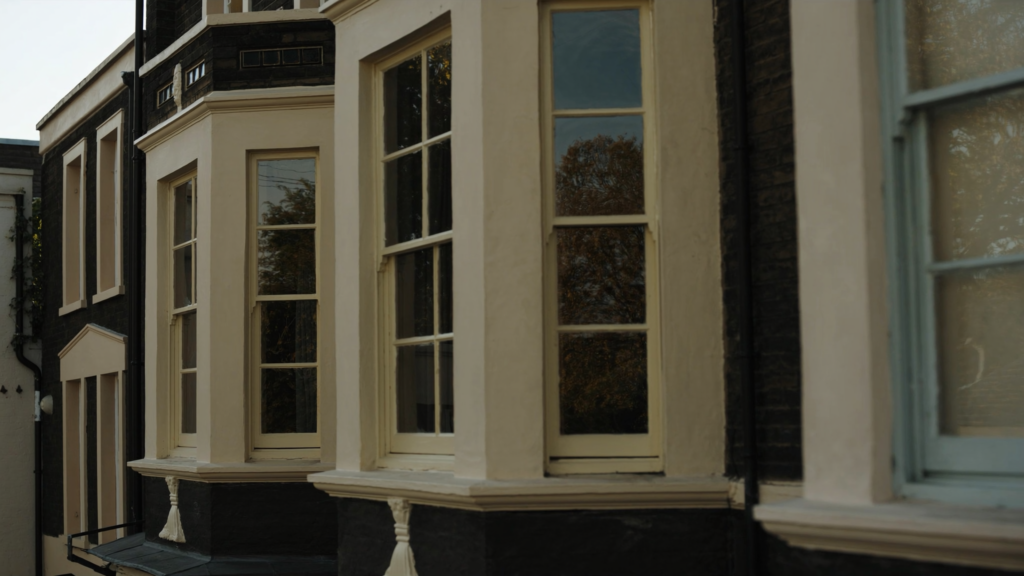
Window U-Values Explained – Building-Regs Minimums and How to Calculate Yours
The 2026 Building Regulations require a centre-pane U-value no higher than 1.6 W/m²K and a whole-window U-value no higher than 1.8 W/m²K for replacement windows If you are replacing windows in your home, you need to know the minimum energy performance standard set by law. The 2026 Building Regulations for England, under Approved Document L […]
Verified resources for Cockermouth
Use these official UK sources to check installer credentials, grant eligibility and planning rules before you commit.
Find a verified installer
Grants you may qualify for
In-depth windows & glazing reading.
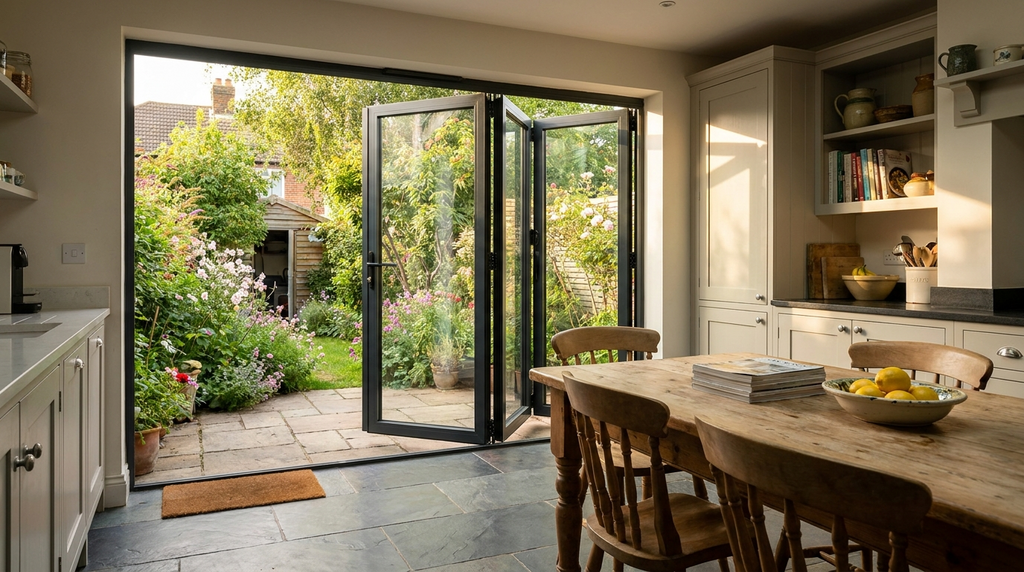
London conservation areas glazing rules
Conservation-area glazing rules are stricter than standard planning, non-compliance risks enforcement action If you live in a London conservation area, the rules governing window replacement are significantly tighter than standard permitted development rights. Conservation-area status overrides these rights entirely, meaning any change to a window that alters the external appearance normally requires a formal planning […]
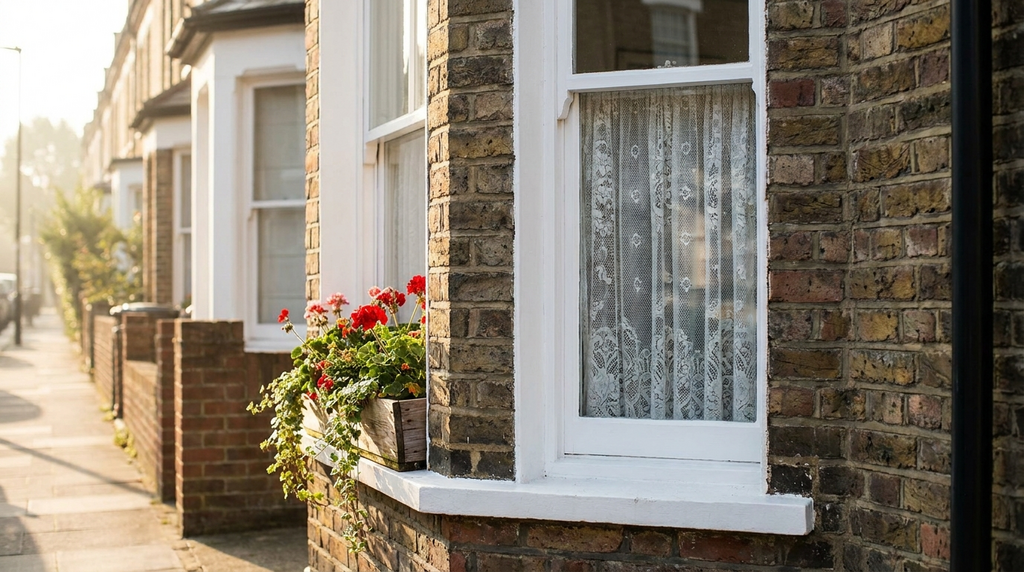
Scottish Building Standards Section 6 windows
Section 6 sets the minimum energy performance standard for replacement windows in Scotland If you are replacing windows in your home in Scotland, you must meet the energy performance rules set out in Section 6 of the Scottish Building Standards. This section applies to all replacement windows in existing homes from 1 October 2026. The […]
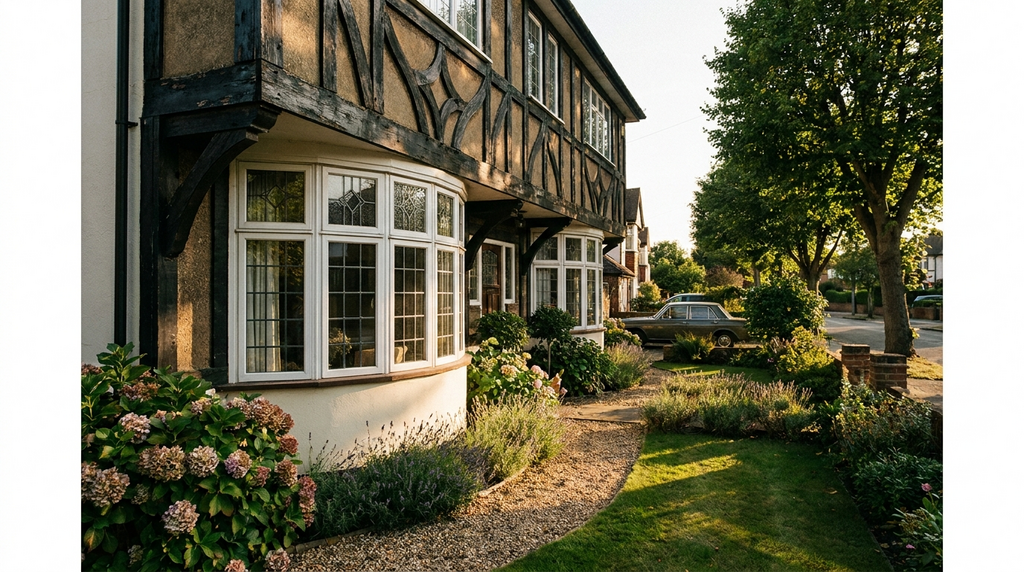
Window security ratings explained UK
The most important thing to know about window security ratings in the UK is that PAS 24 is the baseline test for modern windows, not a premium upgrade. If you are buying new or replacement windows, you might assume that a security rating is an optional extra. That is not the case. Since 2010, Approved […]

Article 4 directives windows UK explained
What an Article 4 Direction actually does to window replacement rights An Article 4 Direction is a planning order issued by a local planning authority (LPA) that withdraws specific permitted development rights. For windows, it means you cannot replace like-for-like without formal planning permission, even if the new windows match the originals in appearance and […]
Listed building consent for windows UK
You must get listed building consent before replacing any window in a listed building If you own a listed building, replacing windows is not a straightforward home improvement task. Under the Planning (Listed Buildings and Conservation Areas) Act 1990, any works that affect the character of a listed building require formal consent from your local […]
Permitted development rights, windows (UK, 2026)
Nearly half of UK homes need planning permission for window replacements, here’s why You might assume replacing your windows is a straightforward home improvement you can do without asking anyone. That assumption is wrong for roughly half of all UK homes. According to DESNZ’s 2025 English Housing Survey, 48% of UK homes are in conservation […]
Get Double Glazing Quotes in Cockermouth
Compare quotes from trusted local eco home installers. No obligation.
Get a Free Quote