Why Kendal Homeowners Are Turning to Double Glazing Right Now
Kendal sits at the southern gateway to the Lake District, and that geography matters more than most people realise for keeping a home warm. You are not quite in the centre of the fells, but you are close enough that the Atlantic weather systems rolling in off the Irish Sea hit this town hard. Wet, grey winters, persistent drizzle, and the kind of damp cold that gets into Victorian stone walls, that is the reality for the vast majority of Kendal homeowners.
With the town sitting at an average EPC Band D, there is a huge amount of untapped energy efficiency potential here. Double glazing is almost always the first practical, affordable step toward changing that. It delivers visible, measurable results without the upheaval of major structural work, and in Kendal’s housing stock, dominated by older terraces and semis, the difference between single and double glazed windows is enormous.
Energy bills are a real driver too. With average gas usage running at around 13,000 kWh per year, Kendal households are spending a serious amount on heating. Much of that heat is escaping through windows that were put in decades ago and have never been replaced. The Great British Insulation Scheme closed on 31 March 2026. It funded insulation measures only and never covered windows or glazing.
What Double Glazing Actually Involves for a Typical Kendal Home
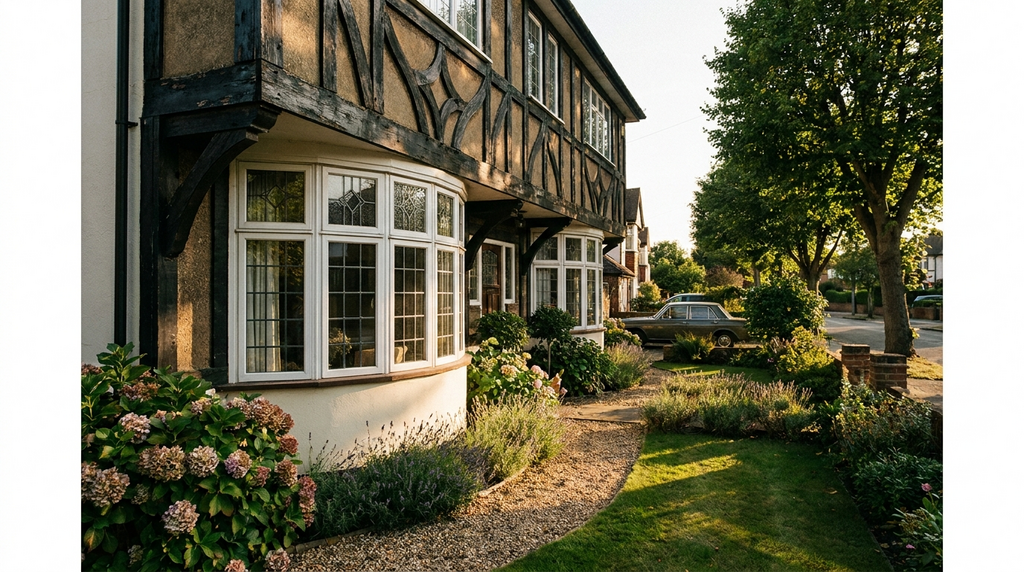
Most homes in Kendal were built between the mid-Victorian era and the 1970s. The older stone terraces you see across Highgate, Stricklandgate, and the streets fanning off Windermere Road were constructed with solid or cavity stone walls and single-glazed timber sash or casement windows. Those windows are charming, and absolutely terrible at keeping heat in.
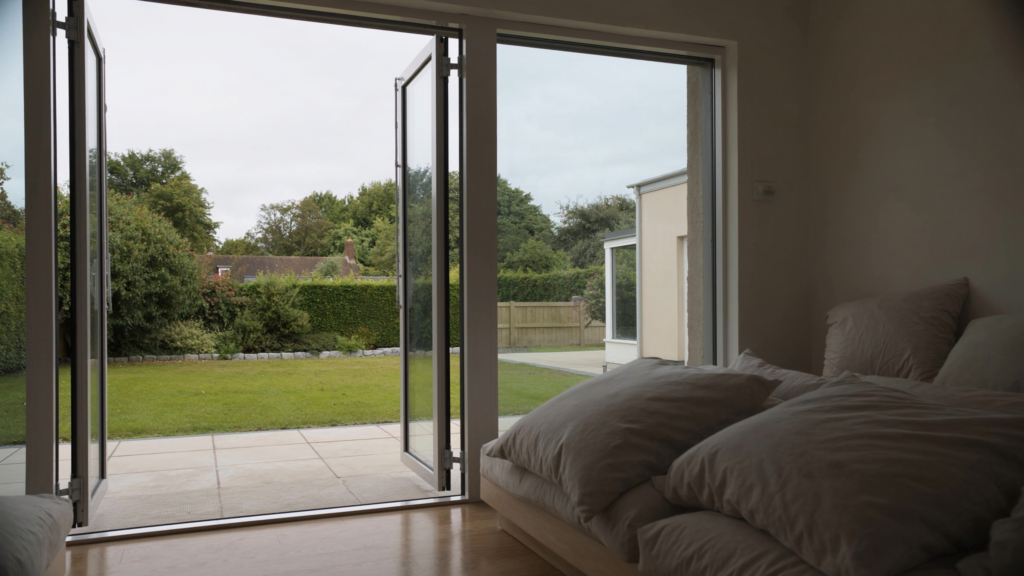
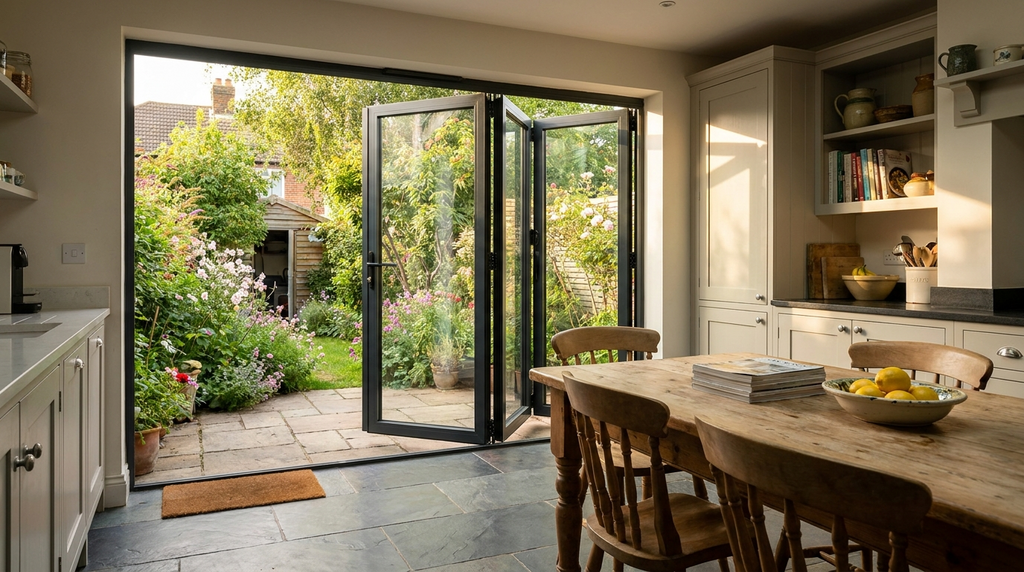
For a typical mid-terrace in Kendal, double glazing installation means removing the existing frames (often timber, sometimes old aluminium replacements from the 1980s), preparing the reveal, and fitting new uPVC, aluminium, or timber-framed double or triple glazed units. The process for a standard two-bedroom terrace usually takes one to two days. Semis on estates like Hallgarth or Sandylands, being slightly larger, might take two to three days.
There are some specific challenges worth knowing about in Kendal specifically:
- Stone reveals and deep walls, Kendal’s older stone properties have thick walls, which means reveals can be deeper than the standard installer expects. This sometimes requires custom-width frames or specialist packers, which can add to the quote.
- Narrow streets and parking, Streets like Beast Banks, Gillingate, and areas around the town centre can make van access tricky. Expect some installers to charge a small access premium or to require prior arrangements with neighbours.
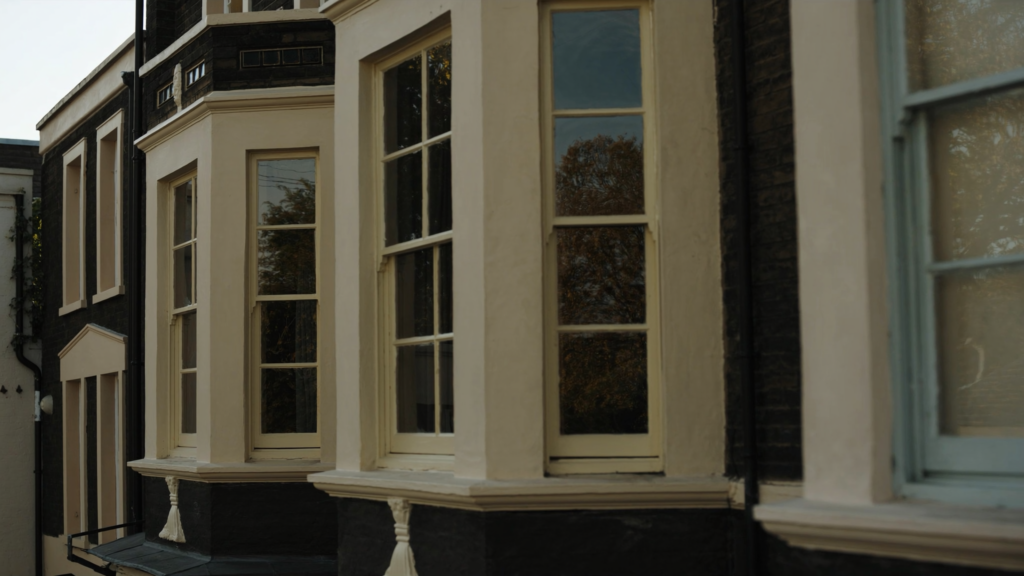
- Original timber sash windows, If your home is in or near a conservation area (more on that below), you may not be able to simply swap these out without approval.
- Damp and render issues, Because Kendal gets substantial rainfall, some older window surrounds may have absorbed moisture over the years. A good installer will flag this before starting, not after.
The practical upside is that Kendal’s housing density means installers know what they are dealing with. The town is well-served by companies based here and in nearby Windermere, Kirkby Lonsdale, Carnforth, and Ambleside, so you have real choice.
How Much Double Glazing Costs in Kendal and the North West Area in 2026
Let us talk actual numbers. Kendal sits in a moderate labour cost area, slightly above rural Cumbria but below Greater Manchester or the Cheshire commuter belt. Expect to pay a little more than the North West average for properties with access challenges, and always get three quotes.
| Property Type | Window Count | Standard uPVC Double Glazing | Premium uPVC or Aluminium | Triple Glazing Upgrade |
|---|---|---|---|---|
| 2-bed mid-terrace (typical Kendal) | 5–7 windows | £2,800 – £4,200 | £4,500 – £6,000 | Add £800 – £1,400 |
| 3-bed semi-detached | 8–10 windows | £4,200 – £6,000 | £6,200 – £8,500 | Add £1,200 – £2,000 |
| 4-bed detached | 11–14 windows | £6,000 – £8,500 | £8,500 – £12,000 | Add £1,800 – £2,800 |
| Victorian terrace with sash windows | 6–8 windows | £4,000 – £5,500 (sash-style frames) | £5,500 – £7,500 | Add £1,000 – £1,800 |
| Front door replacement (composite) | 1 door | £900 – £1,400 | £1,400 – £2,200 | N/A |
These figures include supply, installation, removal of old frames, and FENSA registration. VAT is included at 20%. If your property has any listed status or sits inside the Kendal town centre conservation boundary, add 10–20% for specialist glazing requirements and potential design fees.
Compared to the North West average, Kendal prices are broadly similar to Carnforth and Kirkby Lonsdale but typically 8–12% less than central Lancaster or Kendal town centre commercial installers who have higher overheads. Manchester-based installers sometimes quote cheaper headline prices but travelling time and fuel can erode that saving, always compare like for like.
How Kendal’s Weather and Location Shape Your Window Choices
The Lake District is one of the wettest places in England, and while Kendal itself sits slightly south and east of the heaviest rainfall zones, it still receives around 1,200mm of rain per year, significantly above the UK average of around 885mm. That persistent wetness has practical implications for your windows.
First, frame material matters more here than in a drier part of the country. Timber frames, even modern hardwood, require more maintenance in a wet climate. If you do not plan to repaint and reseal every few years, uPVC or powder-coated aluminium will serve you better long-term. uPVC in particular handles Kendal’s rainfall without warping, swelling, or rotting.
Second, the cold here is damp cold, not the crisp, dry frost of more continental climates. Damp cold penetrates more aggressively and is harder to exclude with substandard seals. This is why gasket quality and the drainage channels built into the frame matter as much as the glass specification itself.
Third, Kendal does get genuine wind exposure during winter storms, particularly from the south-west. Properties on the western side of town, towards Shap Road or on the elevated ground approaching Oxenholme, feel this more acutely. If your home faces south-west, ask your installer specifically about weather-resistant sealing systems and consider frames rated to PAS 24 (enhanced security and weather resistance standard).
Solar gain is a factor here too, despite what the grey skies suggest. Kendal gets around 1,100 sunshine hours per year. South-facing windows benefit from low-emissivity (low-E) glass coatings that let solar warmth in during winter while reducing heat loss at night. This passive solar benefit is genuinely worth having and does not cost significantly more.
The Window Specs That Actually Perform Well in This Town
Given everything above, here is what to prioritise when speccing your windows in Kendal:
- Glass specification, Ask for units with a U-value of 1.0 W/m²K or better. Standard double glazing hits around 1.4–1.6 W/m²K, which is a legal minimum but not particularly impressive. A warm-edge spacer bar (instead of aluminium) makes a real difference to reducing condensation on the inside edge of the frame.
- Argon gas fill, Standard in most modern units and well worth having. It reduces heat transfer through the cavity. Krypton-filled units are better still, though less common and more expensive.
- Low-E coating, Essential for south and west-facing windows. Pilkington K Glass or Saint-Gobain equivalents are the benchmark to ask about.
- Frame choice, For most Kendal homes, white uPVC is the practical choice and the most cost-effective. For properties where appearance matters (conservation area edges, stone-fronted semis), grey or anthracite uPVC or powder-coated aluminium in a heritage colour looks far better and holds its value.
- Triple glazing, Worth serious consideration for north-facing windows, rooms above unheated spaces, or if your home is particularly exposed. The price premium is real but so is the thermal improvement. For a typical Kendal home on gas heating, the extra cost can be justified over a 10–12 year horizon.
- Acoustic performance, If you live near the A65, the A591, or anywhere close to the town centre’s through-traffic routes, ask for laminated inner panes rated to at least Rw 35dB. You will notice the difference immediately.
Finding a Reliable Installer Near Kendal, What to Look For
The glazing industry has its share of high-pressure salespeople and fly-by-night operators, so knowing what separates a trustworthy installer from a problematic one is genuinely useful.
Start with certification. For double glazing, the key scheme is FENSA (Fenestration Self-Assessment Scheme) or CERTASS. Any installer fitting replacement windows in England is legally required to either notify Building Control or operate under one of these competent person schemes. If an installer cannot confirm they are FENSA or CERTASS registered, walk away. You can verify registration free on their websites.
Also look for TrustMark registration, which covers quality of workmanship and customer protection. It is not legally required but it signals a business that takes its reputation seriously.
Practical questions worth asking any installer:
- Are you FENSA or CERTASS registered, and will you handle Building Regulations notification on my behalf?
- What U-value will the finished installation achieve, and can you show me the product data sheet?
- Do you use your own fitting teams or subcontractors? (Both can be fine, but you want to know.)
- What is included in your warranty, and is it backed by an insurance-backed guarantee (IBG)?
- Can you provide three recent references from Kendal or the immediate area?
Lead times in this part of Cumbria are typically four to eight weeks from survey to installation in 2026. The installer ecosystem here is solid, companies regularly serving Kendal also cover Windermere, Ambleside, Kirkby Lonsdale, and Carnforth, so there is genuine competition for your work. Even so, avoid booking anyone who can start next week with no clear reason, good installers are booked ahead.
Watch out for the following red flags: quotes with no breakdown of glass specification, pressure to sign on the day, no physical business address in the region, and warranties that are company-backed only (with no IBG from an independent insurer).
Grants and Funding Available to Kendal Residents in 2026
The honest truth about double glazing grants is that they are means-tested and property-condition-dependent. They are not available to everyone, but if you do qualify, they can dramatically reduce your costs.
ECO4 (Energy Company Obligation) is the most significant scheme. It funds energy efficiency measures including windows for households on qualifying benefits such as Universal Credit, Pension Credit, and certain disability allowances. Westmorland and Furness Council (which covers Kendal since the 2023 local government reorganisation) is the relevant local authority for ECO4 referrals. Eligible homes can receive full or partial funding for double glazing, though windows are typically funded as part of a broader package of improvements rather than in isolation.
The Great British Insulation Scheme closed on 31 March 2026. It funded insulation measures only and never covered windows or glazing. If your home is in Band A, B, C, or D and your EPC is below Band C, you may be eligible for funded insulation measures including glazing upgrades in some circumstances.
Westmorland and Furness Council runs its own Warm Homes initiative, which provides referrals and in some cases additional top-up funding for energy efficiency improvements. The council’s housing team can advise on current availability, it is worth a direct call, as local authority schemes are often undersubscribed relative to the need.
Glazing is standard-rated for VAT at 20%. The zero rate for energy-saving materials covers insulation, heat pumps and solar panels; HMRC names secondary and double glazing as excluded (VAT Notice 708/6). Confirm with your installer whether this applies to your specific situation before assuming it does.
Total potential support for eligible households can reach £3,000–£8,000 depending on the scheme and property type. For non-eligible households, the best funding route is simply getting multiple competitive quotes and taking advantage of manufacturer promotions, which tend to be stronger in spring and autumn.
Planning Permission and Conservation Rules Specific to Kendal
For most Kendal homeowners, replacing windows falls under permitted development rights, meaning you do not need to apply for planning permission. This applies to the majority of semi-detached and terraced properties across estates like Heron Hill, Sandylands, Hallgarth, Natland Road, and Oxenholme.
However, Kendal has a defined Conservation Area covering much of the historic town centre, including areas around Stricklandgate, Highgate, and the yards and lanes running between them. If your property falls within this boundary, and many Victorian terraces do, the rules are tighter. You will typically need to match the appearance of existing windows, which often means timber sash-style frames or secondary glazing rather than standard uPVC. Replacement windows in conservation areas must not materially alter the character of the building’s facade.
If your home is Listed (Kendal has a notable stock of Grade II listed buildings), you will need Listed Building Consent for any window changes, full stop. Standard double glazing is unlikely to be approved in a listed building, secondary glazing is usually the recommended solution in these cases, as it is reversible and preserves original fabric.
To check whether your home is in the conservation area or is listed, use the Westmorland and Furness Council planning portal or the Historic England Listed Buildings database. It takes five minutes and could save you a significant legal headache. When in doubt, call the council’s