Why Berwick-upon-Tweed Homeowners Are Finally Taking Double Glazing Seriously
There’s something uniquely challenging about heating a home in Berwick-upon-Tweed. Sitting right on the Scottish border, with the North Sea just a short walk from the town walls and the Tweed estuary cutting through the landscape, this is a town that genuinely feels cold in a way that a spreadsheet doesn’t fully capture. When the wind picks up off the firth in January, single-glazed Victorian sash windows and thin pre-war frames earn their reputation as the biggest energy drain in the house.
Berwick’s average EPC rating sits at Band D, right at the national average, but that figure masks a specific problem. A large proportion of the housing stock here is older terraced property in the town centre and semi-detached homes in areas like Tweedmouth and Spittal, many of which still have original windows that are decades old. These homes are losing heat through their glazing at a rate that costs real money every single winter.
With gas usage in Berwick averaging around 13,500 kWh per year, above the national median, and North East fuel poverty rates being the highest in England, the pressure to cut energy bills has never been more urgent. Double glazing is one of the most reliable and visible upgrades you can make, and in 2026, a combination of improved product technology, regional fitting costs, and available grant funding means the timing has rarely been better.
What Double Glazing Actually Involves for a Typical Berwick-upon-Tweed Home
Most homes in Berwick fall into two broad categories, Victorian and Edwardian terraces in the historic town centre and along Marygate and Hide Hill, and the 1920s to 1960s semi-detached properties across Tweedmouth and the newer parts of Spittal. Each presents slightly different installation challenges, and it’s worth knowing what you’re getting into before anyone quotes you.
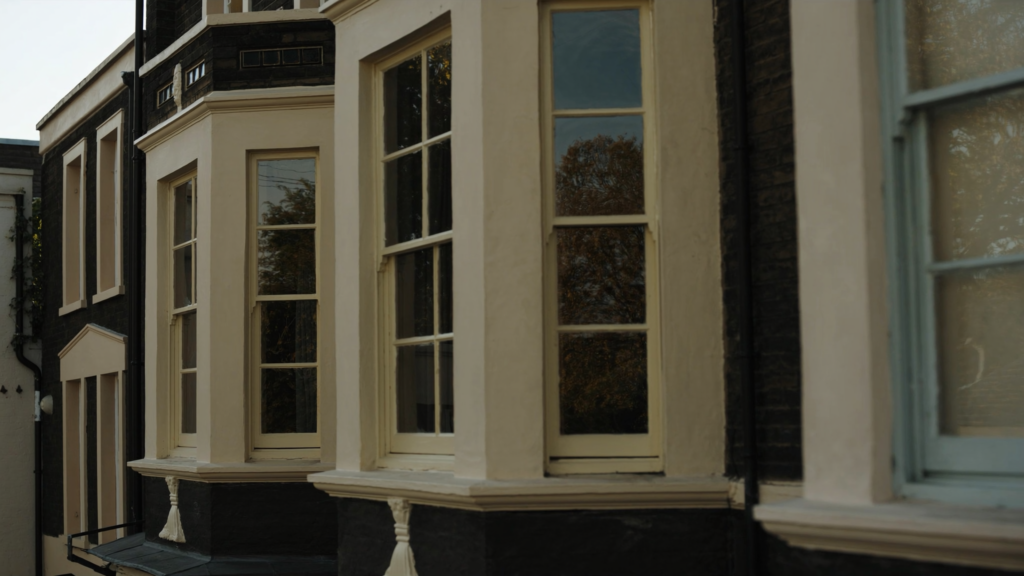
The older town centre terraces typically have original timber frames with sash or casement windows. Replacing these with modern uPVC or aluminium double glazing is straightforward in many cases, but the reveal depths (the gap between the outside face of the wall and the inner edge) can be deeper than in post-war homes. Fitters working here need experience with solid stone and brick construction typical of Northumberland builds, not all installers from further south have this familiarity.
In the semi-detached properties of Tweedmouth, you’ll often find cavity walls and slightly more standardised window openings, which makes installation quicker and less likely to throw up surprises. However, many of these homes still have the original metal Crittal-style frames from the 1940s and 50s, which can corrode at the edges and affect the surrounding masonry when removed.
- Stone construction, common in older town centre homes, means fixing frames requires appropriate anchors and sometimes repointing the surrounding stonework after installation
- Sash window replacement needs careful consideration in conservation areas (more on that below)
- Settled frames in older properties may reveal uneven openings once original windows are removed, which can add to labour time
- Access in narrow terraced streets like those near the town walls can limit vehicle access for installers, particularly when large frame deliveries are involved
- Upper floor work on three-storey town centre properties may require additional scaffold or specialist access equipment
The good news is that Berwick’s relatively compact housing stock means most jobs are genuinely manageable for experienced North East installers. Nothing here is as architecturally complex as some of the listed properties in Alnwick or the converted industrial buildings in larger cities.
How Much Double Glazing Costs in Berwick-upon-Tweed and the North East Area in 2026
Labour costs in the North East are meaningfully lower than the national average, typically 15 to 20 per cent below what you’d pay in London or the South East. That’s a genuine advantage for Berwick homeowners. However, the town’s location does add a small premium for some installers who travel from the larger supply hubs around Newcastle or even cross the border from Berwick-area companies based near Kelso or Dunbar.
Expect most reputable FENSA-registered installers to quote a modest travel surcharge if they’re coming from Alnwick (44km away) or further. Even so, there are local and regional companies operating in Berwick itself, and getting three quotes should always include at least one from a genuinely local firm.
| Property Type and Scope | Berwick-upon-Tweed Cost | North East Average | National Average |
|---|---|---|---|
| 2-bed mid-terrace, full house (6-8 windows) | £3,800 – £5,200 | £3,600 – £5,000 | £4,200 – £6,000 |
| 3-bed semi-detached, full house (8-10 windows) | £4,500 – £6,500 | £4,200 – £6,200 | £5,200 – £7,500 |
| Single large bay window replacement | £900 – £1,400 | £850 – £1,300 | £1,000 – £1,600 |
| Standard casement window (per unit) | £400 – £650 | £380 – £620 | £450 – £750 |
| Timber sash double glazed replacement (per unit) | £700 – £1,100 | £680 – £1,050 | £800 – £1,300 |
| Conservation-approved sash (slim profile) | £950 – £1,400 | £900 – £1,350 | £1,100 – £1,600 |
| Triple glazing upgrade (per unit, vs double) | +£180 – £280 | +£170 – £260 | +£200 – £300 |
These figures assume uPVC frames as standard. Aluminium frames add roughly 25 to 35 per cent to the cost but have a longer lifespan and a slimmer profile that suits older architectural styles. Timber frames are available but will push prices higher still and require more maintenance, something to weigh up carefully given Berwick’s damp coastal-adjacent climate.
Access complications in the old town area, tight lanes, stone kerbs, parking restrictions near the town walls, can add £100 to £300 to a typical quote. Always ask whether the quote includes all access costs before signing anything.
How Berwick-upon-Tweed’s Weather and Location Affect Your Double Glazing Choices
Berwick sits in a genuinely exposed position. While it’s not quite the same as a cliff-top property in Cornwall, the combination of the North Sea coast less than a mile from the town centre, the Tweed estuary funnelling east winds inland, and the open Northumberland countryside to the south and west means this town experiences real wind-driven rain during autumn and winter. That matters when choosing double glazing.
The town accumulates between 1,800 and 2,200 heating degree days per year, a measure of how hard your heating system has to work, which is significantly higher than the UK average. This makes thermal performance in your windows a genuine financial priority, not just a nice-to-have. A window with a poor U-value (meaning it loses heat quickly) will cost you money every single night from October through to April.
The coastal and estuarine proximity also brings moisture. Condensation between panes is a classic sign of failed double glazing seals, and in Berwick’s damp winters, those failures can happen faster than in drier inland areas. When you’re choosing a product, prioritise units with a quality warm-edge spacer bar rather than cheap aluminium spacers, they reduce the cold edge effect and dramatically improve seal longevity in high-humidity environments.
Salt air is a minor but real factor in Berwick, especially for properties near the harbour or Spittal seafront. For these homes, marine-grade sealants and powder-coated aluminium frames (rather than standard paint finishes) are worth specifying. Ask your installer explicitly about this if you’re within half a mile of the shoreline.
The Products and Options That Actually Work Best in Berwick
Given the climate data, the housing stock, and the specific exposure challenges here, here’s what genuinely makes sense for most Berwick homeowners rather than a generic list of glazing options.
For most terraced and semi-detached homes in Tweedmouth and Spittal, a quality uPVC double glazed unit with a U-value of 1.2 W/m²K or better is the practical sweet spot. You’ll find some budget installers offering units at 1.6 or even higher, avoid these for Berwick’s climate. The Building Regulations minimum is 1.4, but the extra spend to get to 1.2 or below pays back meaningfully in a town with this many heating degree days.
Triple glazing is worth serious consideration in Berwick, particularly for north and east-facing elevations. The additional cost of £180 to £280 per window is offset faster here than in warmer southern towns. If your main bedroom or living room faces northeast toward the sea, triple glazing on those windows alone can make a noticeable difference to comfort.
- Warm-edge spacer bars, always specify these; they reduce condensation at the frame edge and improve thermal performance at the perimeter of each pane
- Argon gas fill, standard in quality units; krypton-filled units cost more and offer marginal gains not worth the premium for most homes here
- Low-E glass coating, essential; this thin metallic coating reflects heat back into the room and should be standard on any unit you’re quoted
- Trickle vents, legally required in most replacement window installations; don’t let an installer omit these to save money, especially in older Berwick homes where background ventilation is important
- Heritage-style slim double glazed units, for conservation area properties, these are specifically engineered to replicate sash and case profiles without sacrificing thermal performance
For the historic town centre, where planning constraints apply, slim-profile systems from manufacturers like Residence 9 or the Spectus Vertical Slider offer a genuine period appearance while delivering modern thermal performance. These aren’t cheap, but they’re the right tool for the job if you’re in or near the Berwick Conservation Area.
How to Find a Trustworthy Double Glazing Installer Near Berwick-upon-Tweed
Berwick’s population of around 13,000 means there isn’t the density of specialist local installers you’d find in Newcastle or Sunderland. In practice, most homeowners here are drawing from a pool of companies based across the wider region, some genuinely local, others travelling from Alnwick, Morpeth, or occasionally across the border from the Scottish Borders area near Kelso.
The most important accreditation to check for double glazing installation is FENSA registration. FENSA-registered installers self-certify that their work meets Building Regulations, which saves you from having to apply for a building control certificate separately. Always ask for the FENSA number upfront, it takes seconds to verify on the FENSA website.
TrustMark registration is a secondary mark worth looking for, as it indicates the installer has been audited for quality of work and business practice. For larger whole-house installations especially, this matters.
Some useful questions to ask any installer before you commit
- Are you FENSA-registered, and will you provide the certificate on completion
- Do you have experience with stone construction and older Northumberland properties
- What U-value do your standard units achieve, and can I see the BFRC energy rating window label
- Do you include disposal of old frames and glass in your quote
- What is your guarantee on both the frames and the sealed units separately
- How do you handle access in restricted town centre streets
Red flags include unusually low quotes without clear explanation, pressure to sign on the day, no physical business address in the region, and reluctance to provide a FENSA number. Lead times in the North East are typically four to eight weeks from survey to installation for most jobs in 2026.
Companies covering Berwick often also serve Alnwick, the Tweed Valley, and sometimes cross the border to the Kelso and Dunbar area. This regional coverage means they’re used to driving distances and rural access, that experience translates well to Berwick’s own quirks.
Grants and Funding That Could Reduce Your Costs in 2026
This is an area where being in the North East genuinely works in your favour. The region has the highest rates of fuel poverty in England, which means it receives disproportionate funding through national and local retrofit programmes.
ECO4 (Energy Company Obligation) is the main national scheme that could contribute toward or fully fund double glazing in Berwick. To qualify, you generally need to be on means-tested benefits (such as Universal Credit, Pension Credit, or income-related ESA) or have a household income below a set threshold, and your property must currently be EPC Band D or below. Given that Berwick’s average rating is Band D, a significant number of households will qualify on property alone through the Flexible Eligibility route, your local authority (Northumberland County Council) can refer you to energy companies under this route even if you’re not on benefits.
Great British Insulation Scheme (GBIS) focuses on single-measure improvements and includes glazing in some circumstances. Check directly with the scheme administrators, as eligibility is linked to both income and property EPC rating.
Northumberland County Council administers Warm Homes funding and periodically runs local area-based schemes in partnership with energy suppliers. The council’s energy advice service is a genuinely useful first port of call, they can tell you which schemes are currently live and whether Berwick-specific funding is available in the current round.
The Warm Homes Plan, the UK Government’s successor to previous retrofit schemes, is allocating significant funding through local authorities through 2026 and beyond. Northumberland is one of the areas actively drawing down this funding, and glazing improvements are within scope for eligible households.
To start, contact Northumberland County Council’s energy advice team or use the national Simple Energy Advice service to check your eligibility. Don’t assume you won’t qualify, many Berwick households sitting just above traditional benefit thresholds are surprised to find they’re eligible through the Flexible Eligibility route.
Planning Permission and Regulations in Berwick-upon-Tweed
Most double glazing replacements in Berwick do not require planning permission. Under permitted development rights, replacing windows in a like-for-like fashion, same style, similar appearance, no change to the building’s footprint, falls outside the planning process for standard residential properties.
However, Berwick-upon-Tweed has a significant Conservation Area covering the historic