Why Hawick Homeowners Are Looking at Double Glazing Right Now
Sitting in the Teviot Valley, surrounded by rolling Border hills, Hawick is a town that knows what a proper winter feels like. When the cold air funnels down from the higher ground and settles across the town, single-glazed windows become painfully obvious, you can feel the draught from across the room. It’s no wonder so many people here are finally making the move to double glazing.
With an average EPC rating of Band D and gas usage running at around 13,800 kWh per year, Hawick homes are sitting right at that frustrating point where bills are noticeable but the improvements haven’t quite happened yet. Double glazing is one of the most accessible upgrades you can make, no major building work, no planning drama in most cases, and results you feel from the first cold snap.
There’s also a broader shift happening across the Scottish Borders. With the Scottish Government’s Heat in Buildings Strategy pushing toward fully decarbonised heating by 2045, improving your building envelope now makes sense if you’re thinking about a heat pump down the line or just want to stop burning through gas this winter. Double glazing is the foundation everything else sits on.
What Double Glazing Actually Involves for a Typical Hawick Home
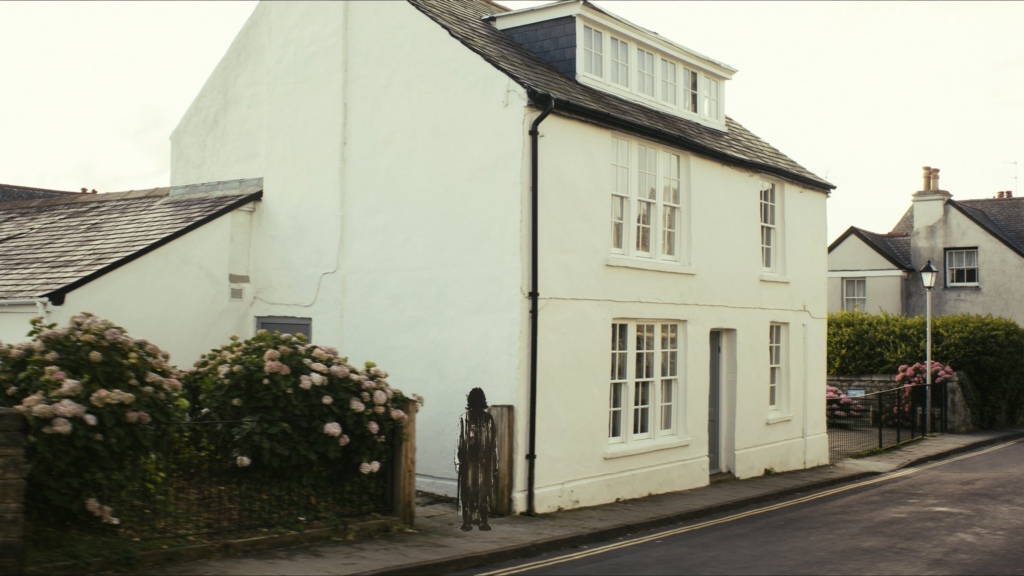
Most of Hawick’s housing stock is made up of terraced and semi-detached properties, many of them built during the town’s Victorian and Edwardian mill era, roughly 1870 to 1930. These homes have character, but they also have chunky stone walls, smaller original window openings, and in many cases, replacement timber frames that are now ageing badly.
The practical reality of installing double glazing in these properties is slightly different to a modern new-build. Here’s what you’re typically dealing with:
- Thick stone reveals, The deep window reveals in older stone-built terraces mean frames need to be measured and fitted carefully to maintain the look and achieve a proper seal
- Narrow access in terraced rows, Streets like Victoria Road and the older terraced rows off Buccleuch Road can make getting materials in and skips or old frames out genuinely awkward
- Existing timber frames, Many homes have already had one round of replacement windows and are now on second or even third-generation frames that may need a full rip-out rather than an insert fitting
- Upper floors without easy scaffold access, Semi-detached properties on hillside streets around Burnfoot or the upper parts of town may need scaffolding towers for upper-floor windows
- Potential lime mortar surrounds, On older stone properties, the window surrounds may use lime mortar rather than modern cement, which needs care during removal to avoid damage
None of these are deal-breakers, they just mean you need an installer who’s worked on Borders stone properties before, not someone who’s only ever fitted windows in 1970s brick semis on a flat estate. Ask specifically about their experience with older Scottish stone properties and you’ll quickly get a sense of who knows what they’re doing.
How Much Double Glazing Costs in Hawick and the Scotland Area in 2026
Let’s get straight to the numbers you actually need. Prices in Hawick tend to run roughly 5-10% above the Scotland average, mainly because installers are typically travelling from Galashiels, Jedburgh, or even as far as Kelso (30km away) or Peebles (36km). That travel time gets factored in, and smaller job batches make it harder to spread costs the way a city-centre firm can.
| Window Type | Per Window (Hawick) | Full Terraced House (6-8 windows) | Full Semi-Detached (8-10 windows) | Scotland Average |
|---|---|---|---|---|
| uPVC Casement (A-rated) | £380 – £520 | £2,800 – £3,800 | £3,500 – £4,800 | £340 – £480 |
| uPVC Sash (A-rated) | £620 – £850 | £4,200 – £6,000 | £5,400 – £7,500 | £580 – £800 |
| Composite/Timber-Look uPVC | £550 – £780 | £3,800 – £5,400 | £4,800 – £6,800 | £500 – £720 |
| Aluminium Double Glazed | £700 – £1,000 | £4,800 – £7,000 | £6,200 – £9,000 | £650 – £950 |
| Triple Glazing (uPVC) | £550 – £750 | £4,000 – £5,500 | £5,000 – £7,000 | £500 – £700 |
Scaffolding, if required for upper-floor access, adds roughly £400–£800 depending on the height and duration. Disposal of old frames typically adds another £80–£150. If your existing surrounds need any pointing or minor repair after fitting, budget an extra £100–£250.
For context, a comparable job in Kelso or Galashiels might come in slightly cheaper simply because there are more installers covering those areas and competition keeps prices tighter. Shopping around and getting at least three quotes is always worth doing, even if two of those installers are based outside Hawick itself.
How Hawick’s Weather and Location Shape Your Double Glazing Choices
Hawick sits at around 100 metres above sea level in the Teviot Valley, which creates a very specific climate pattern. Cold air drains off the surrounding hills and settles in the valley on still nights, meaning ground-level frost events are more frequent here than in coastal Border towns. The town also sits inland enough to avoid the worst of the westerly Atlantic gales, but exposed enough on its northern and eastern sides to feel a proper cold snap when it arrives.
Annual heating degree days in this area run between 1,800 and 2,200, that’s meaningfully higher than somewhere like Edinburgh or the central belt, and it directly affects how quickly double glazing pays for itself. Your windows are working harder for longer here than they would further south.
Rainfall runs at around 800–1,000mm per year. This is relevant because it means frame seals, external drainage grooves, and weather-bar detailing need to be properly specified. Cheap frames with poor drainage channels will allow water to pool in the frame and eventually cause seal failure, exactly the kind of issue you don’t want in a Hawick winter.
A few specific considerations for this location:
- Low-E glass coatings matter more here, With limited sunshine hours (850-1,000 per year), you want a warm-edge spacer bar and a low-emissivity coating that retains heat rather than optimising for solar gain
- Argon-filled units as standard, not an upgrade, Some installers offer argon fill as a paid extra; in Hawick’s climate, it should be non-negotiable
- Weather seals and gaskets should be EPDM rubber, It holds its flexibility in sub-zero temperatures better than cheaper alternatives
- Valley fog and condensation, With frequent temperature inversions in the Teviot Valley, you may experience external condensation on highly efficient double glazing on cold clear mornings, this is actually a sign the units are working well, not a fault
The Products and Options That Genuinely Work Best for Hawick Properties
Based on the housing stock here and the climate, here’s an honest steer on what to buy and what to skip.
Best overall choice for most Hawick terraces and semis, A-rated uPVC casement or tilt-and-turn in white or Anthracite Grey, with 28mm sealed units, argon fill, warm-edge spacer bar, and a U-value of 1.2 W/m²K or better. This hits the sweet spot of performance, cost, and longevity without overcomplicating the job.
If you’re in an older stone-built terrace, Consider a timber-effect uPVC or a genuine engineered timber frame. Original stone properties look noticeably better with a frame that has some depth and texture to it. The slim-profile modern uPVC can look incongruously stark against rough-hewn stone.
Is triple glazing worth it in Hawick, It’s a closer call than in most Scottish towns, honestly. The climate here does justify the extra insulation value, but the price premium (roughly 25–35% over double glazed equivalents) means payback stretches out. If you’re doing a full house and plan to stay long-term, go for it. If you’re doing a partial replacement, double glazing with good specifications will serve you very well.
Avoid, Very low-cost uPVC with 24mm units, no argon fill, and aluminium spacer bars. These are often promoted heavily on price but the thermal performance is noticeably worse and the condensation risk on the inner pane is higher in cold valley winters.
Key specifications to look for on any quote:
- Window Energy Rating (WER) of A or A+ minimum
- Centre-pane U-value of 1.1 W/m²K or lower
- Whole-window U-value of 1.4 W/m²K or lower (this is what Building Standards Section 6 in Scotland requires for replacements)
- Argon or krypton fill specified in writing on the quote
- Kitemark or British Standards certification on the sealed units
Finding a Trustworthy Double Glazing Installer Near Hawick
Here’s where being in a smaller town like Hawick requires a slightly different approach than if you were in Edinburgh or Glasgow. There’s no large local installer base, you’ll typically be looking at firms covering the wider Scottish Borders area, operating out of Galashiels, Jedburgh, or coming in from Kelso or Peebles. That’s not a problem, but it does mean you need to be a bit more deliberate about vetting.
The certifications that matter most for double glazing in Scotland:
- FENSA or Certass registered, This is the key one. Registered installers self-certify that your installation meets Building Standards, which means you get a certificate without needing a separate Building Warrant. Without FENSA or Certass, you may need to notify Scottish Borders Council and have the work inspected separately
- TrustMark registered, Not mandatory, but a solid indicator of a firm that takes quality seriously
- Home Energy Scotland approved, Particularly relevant if you’re applying for any loan or grant funding
Questions worth asking before you book anyone in:
- Have you worked on stone-built Victorian or Edwardian properties in the Borders before
- Are you FENSA or Certass registered and will you provide a certificate on completion
- What U-values do your standard double glazed units achieve
- Do your sealed units include argon fill as standard
- What is your lead time from survey to installation
- How do you handle access on narrow terraced streets
Lead times across the Scottish Borders in 2026 are typically running at 4–8 weeks from survey to fitting for most residential jobs. Larger whole-house projects with custom sizes may run to 10–12 weeks. Red flags to watch for, any installer who pushes for a deposit of more than 25% upfront, refuses to provide references from previous Scottish Borders customers, or gives you a quote without visiting the property in person.
Grants and Funding That Could Reduce Your Costs in 2026
Scotland has a genuinely more generous funding landscape than England for home energy improvements, and Hawick residents can access several routes worth knowing about.
Home Energy Scotland Loan, Interest-free loans of up to £15,000 are available to Scottish homeowners for energy efficiency improvements including double glazing. You apply through Home Energy Scotland (managed by Energy Saving Trust on behalf of the Scottish Government). There’s no income threshold for the loan, it’s available to most owner-occupiers. Repayments are flexible and the interest-free nature makes this one of the best deals available anywhere in the UK.
Warmer Homes Scotland, For homeowners on qualifying benefits (Universal Credit, Pension Credit, certain disability benefits), this scheme can provide fully funded energy efficiency measures. Double glazing may be included as part of a wider package of improvements, particularly if it forms part of a whole-house upgrade alongside insulation or heating work. Scottish Borders Council can help signpost eligible residents.
ECO4 (Energy Company Obligation), Available across the UK including Hawick, ECO4 targets households in lower EPC bands or on means-tested benefits. Given the average Band D EPC rating in Hawick, a number of properties will qualify. Eligibility is assessed by the energy company or an installer registered under the scheme.
The Great British Insulation Scheme closed on 31 March 2026. It funded insulation measures only and never covered windows or glazing. It’s broader in scope than ECO4 but still means-tested in its most generous tier. Worth checking alongside ECO4, some homes qualify for both.
To start exploring your options, the best single point of contact is Home Energy Scotland on 0808 808 2282, it’s a free advice line and they’ll tell you exactly what you’re eligible for based on your specific situation and property.
Planning Permission and Building Regulations for Hawick Windows
For most Hawick homeowners, replacing like-for-like windows with double glazing is covered by Permitted Development rights in Scotland, meaning you won’t need formal planning permission. However, there are some important local caveats worth being aware of before you book anyone in.
Scottish Borders Council oversees planning in Hawick, and the town has several areas of sensitivity that affect what’s permitted. The older central streets and parts of the mill-era built environment sit within or adjacent to areas where the Council takes a close interest in window replacements, particularly where original timber sash windows are being replaced rather than repaired.
Specific situations where you should check with Scottish Borders Council planning department before proceeding:
- Listed buildings, If your property is Category A, B, or C listed, you will need Listed Building Consent for any window replacement. This is non-negotiable and applies regardless of the glazing type
- Conservation areas, Parts of central Hawick fall within a designated conservation area. Within these zones, window replacements that change the character of the original may require planning permission even if they would normally be permitted development
- Flatted properties in tenements,