Why Blyth Homeowners Are Turning to Double Glazing Right Now
If you live in Blyth and your heating bill felt punishing last winter, you’re not imagining it. This town sits right on the Northumberland coast, and even though it’s not quite as exposed as somewhere like Tynemouth, the easterly winds that roll in off the North Sea have a way of finding every gap around an old window frame. When your home is already averaging EPC Band D, those draughty windows aren’t helping.
There’s also something bigger happening across the North East right now. Fuel poverty rates here are the highest in England, and Blyth’s mix of older terraced and semi-detached housing stock means a lot of families are sitting on real, fixable heat loss problems. Double glazing isn’t glamorous, but for a town where gas bills are running close to the national median, around 13,000 kWh per year, it’s one of the most straightforward upgrades you can make.
The Great British Insulation Scheme closed on 31 March 2026. It funded insulation measures only and never covered windows or glazing. Demand from installers covering Blyth, Cramlington, and Ashington is high, so if you’re thinking about it, now is a smart time to get quotes in rather than wait.
What Double Glazing Actually Involves for a Typical Blyth Home
Most homes in Blyth were built between the 1930s and 1970s, with a solid chunk of Victorian and Edwardian terraces in the older parts of town near the harbour and town centre. There’s also significant post-war semi-detached housing across areas like Cowpen and Crofton. The era your home was built in has a real bearing on how straightforward a double glazing installation will be.
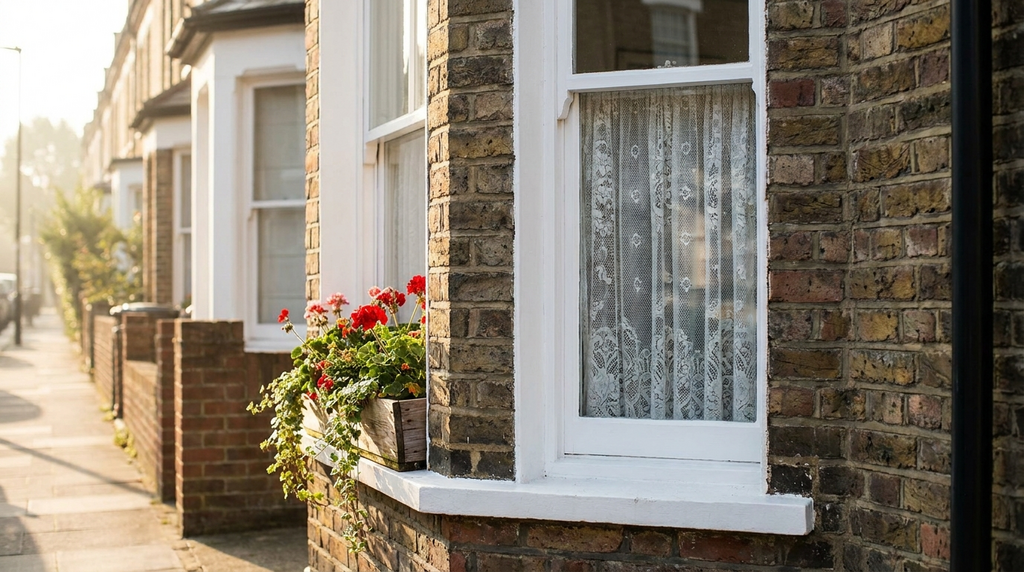
In those older terraces, the kind you see on streets running back from the seafront or around the town centre, window openings were built for timber sashes or traditional casements. These frames are often non-standard sizes, which means your installer will need to either use made-to-measure units or potentially open up the reveals slightly. It’s rarely a deal-breaker, but it does add a little time and cost compared to newer homes with standard openings.
For the post-war semis in Cowpen and around the Newsham area, things are often simpler. These homes were built to a more consistent specification, and window replacements tend to be more straightforward. The main thing to watch for is cavity wall construction, if you haven’t already had cavity wall insulation done, combining that with new double glazing at the same time is genuinely worth thinking about for maximum impact.
A few practical things to expect during installation in a typical Blyth street:
- Most terraced streets have limited parking, so installers will typically need to carry frames a short distance, factor this into your scheduling and make sure your installer knows the access situation upfront
- Older lime-mortar reveals can be more fragile than modern renders, so ask your installer about their approach to making good around frames
- If your home has original timber sash windows, check whether it’s in a conservation area before assuming replacement is straightforward (more on this below)
- Lead times from survey to installation with North East installers are currently running at 4–8 weeks for most standard jobs
How Much Double Glazing Costs in Blyth and the North East Area in 2026
One genuine advantage of being in Blyth rather than, say, Surrey or Bristol is that labour costs here are meaningfully lower. You should expect to pay around 10–15% less than the national average for a comparable installation. Even so, if you’re getting quotes from a company based in Newcastle or Morpeth that’s travelling out to you, factor in whether they’re charging for that travel.
Here’s a realistic breakdown of what you’re looking at in 2026, based on current installer pricing across Blyth and the wider cluster of towns including Cramlington, Ashington, and Whitley Bay:
| Property Type and Job Scope | Blyth / North East Cost | National Average |
|---|---|---|
| 2-bed terrace, full house (6–8 windows) | £3,200 – £4,800 | £3,800 – £5,800 |
| 3-bed semi-detached, full house (8–10 windows) | £4,200 – £6,200 | £5,000 – £7,500 |
| Single casement window (standard size) | £380 – £580 | £450 – £700 |
| Bay window unit (full replacement) | £900 – £1,600 | £1,100 – £2,000 |
| Front door with double glazed panels | £850 – £1,400 | £1,000 – £1,800 |
| Sash window replacement (per window) | £600 – £1,000 | £750 – £1,300 |
| Upgrade to triple glazing (per window, additional cost) | £120 – £200 extra | £150 – £250 extra |
Prices at the lower end of these ranges typically reflect uPVC frames with standard A-rated glass. At the higher end, you’re looking at heritage-style frames, flush casements, or aluminium options. Don’t automatically go for the cheapest quote, check what’s included in terms of making good, removal of old frames, and aftercare warranty.
How Blyth’s Weather and Location Shape Your Double Glazing Choices
Blyth’s coastal position genuinely does influence what products perform best here. The town experiences around 850–950 sunshine hours per year, lower than the South East but still enough that south and west-facing glazing can contribute meaningfully to passive solar gain in winter. This is worth thinking about when choosing glass specifications.
The bigger factor is wind-driven rain. Blyth gets 800–950mm of rainfall annually, and a fair proportion of that arrives horizontally on an easterly. For homes on exposed streets, particularly anything close to the seafront or the higher ground around the Links, this means you want frames with excellent weatherseals and drainage channels. Standard A-rated uPVC handles this fine, but make sure your installer isn’t cutting corners on the sill and reveal detailing.
Condensation is also worth flagging. Because Blyth winters are genuinely cold, 1,800 to 2,200 heating degree days per year, putting you firmly in the upper half of England for heating demand, the temperature differential between inside and outside is significant. Warm-edge spacer bars (rather than the old aluminium spacers) are important here to prevent cold bridging at the glass edge, which is where you typically see that strip of condensation forming.
A practical tip for Blyth homeowners facing east or north-east, if your main bedroom or living room faces towards the sea, consider specifying a slightly higher-spec glass unit with a lower U-value even if it costs a little more. You’ll feel the difference on a February night when the wind is coming in off the North Sea.
The Products and Options That Actually Perform Well in These Conditions
For the majority of Blyth’s terraced and semi-detached housing stock, uPVC double glazing with a decent energy rating remains the most practical and cost-effective choice. Here’s what the spec should look like to actually perform in a Northumberland winter:
- Frame material, White or grey uPVC is the dominant choice and performs well in coastal conditions. Aluminium is increasingly popular for those wanting slimmer frames, but it costs more and requires a thermal break to avoid cold bridging
- Glass specification, Aim for a whole-window U-value of 1.2 W/m²K or better. A-rated units (BFRC rated) are the minimum you should accept
- Gas fill, Argon-filled units are standard and fine. Krypton fill gives marginally better performance for not much extra cost if you’re upgrading north or east-facing windows
- Warm-edge spacer bars, Non-negotiable in this climate. Super Spacer or similar foam-based systems reduce cold bridging significantly compared to aluminium spacers
- Low-E coating, A soft-coat low-emissivity layer on the inner pane keeps radiated heat in the room. All decent modern units include this, but worth confirming
For older terraces with timber sash windows, you now have good options that preserve the aesthetic, timber or uPVC sliding sash replacements with double-glazed units look far more in keeping than traditional casements and avoid planning headaches in sensitive areas. Several installers working across Blyth and the Whitley Bay area now offer these as standard.
If you’re considering triple glazing, which is genuinely worth it for north and east-facing elevations in Blyth, the additional cost per window is modest (see the table above) and the comfort improvement on the coldest nights is real. It’s not the default recommendation for every window, but for anything facing the North Sea, it earns its keep.
Finding a Trustworthy Double Glazing Installer Near Blyth
The installer market in this part of Northumberland is a mix of large regional companies based in Newcastle or Sunderland that cover the whole North East, and smaller local businesses that focus on the Blyth, Cramlington, and Ashington cluster. Both can do excellent work, the key is knowing what to check before you commit.
Certifications you should look for:
- FENSA or Certass registration, This is the big one for glazing. A FENSA-registered installer self-certifies that their work meets Building Regulations, which means you don’t need to apply for building control approval separately. Always ask for the FENSA certificate after completion
- TrustMark accreditation, Government-endorsed quality scheme. More important if you’re using any grant funding
- Insurance-backed guarantees, Your installer’s guarantee is only as good as the company behind it. An insurance-backed guarantee (often through GGFi or DGCOS) protects you if they cease trading
When getting quotes, ask these specific questions:
- Are you FENSA or Certass registered, and will you provide the certificate
- Who manufactures the glass units, are they UK-made or imported
- What’s included in making good around the reveals
- How long is the frame guarantee and the glass unit guarantee separately
- Do you have references from jobs in Blyth or nearby
Red flags to watch for, anyone quoting without doing a proper survey first, extremely low quotes that don’t specify the glass specification, and high-pressure same-day discount tactics. Reputable installers in this area are busy but not desperate, so you should never feel rushed.
Grants and Funding Available to Blyth Residents in 2026
This is where being in Northumberland can genuinely work in your favour. The North East has seen strong government support for home energy upgrades, and there are currently several routes to funding that Blyth homeowners should know about.
ECO4 (Energy Company Obligation), This is the big one. If your household is on certain means-tested benefits, or if your home is EPC Band D or below (which describes a lot of Blyth), you may qualify for fully or substantially funded glazing upgrades. Energy suppliers are obligated to deliver this funding, and it’s accessed through registered installers or through referral from your local authority. Northumberland County Council can direct you to approved local suppliers.
Great British Insulation Scheme (GBIS), Aimed at homes in the lower EPC bands, including Band D. While glazing is not always the primary measure funded, it can form part of a package of improvements. Worth checking your eligibility, households with lower incomes or those in fuel poverty get priority.
Northumberland County Council’s Warm Homes Northumberland programme, The council has an active fuel poverty programme that includes referrals for glazing improvements, particularly for households with vulnerabilities or low incomes. Contact the council’s housing team directly to check current availability, this scheme has helped residents in both Blyth and Ashington in recent years.
Who is most likely to qualify, If you’re on Universal Credit, Pension Credit, or other qualifying benefits, and your home is Band D or below, you have a strong case for ECO4 support. A fully free installation isn’t guaranteed, but a substantial contribution is realistic. Even if you don’t qualify for full funding, a partial grant bringing your costs down by £800 to £1,500 is achievable for eligible households.
One practical point, always use a TrustMark-accredited installer when accessing any grant scheme. It’s a requirement for most public funding, and it protects you if there are any problems down the line.
Planning Permission and Local Regulations in Blyth
For the majority of Blyth homeowners, replacing like-for-like windows does not require planning permission under permitted development rights. If you’re swapping old single-glazed units for double glazing in broadly the same style, in a standard terraced or semi-detached home, you can proceed without a planning application.
However, there are important exceptions specific to this area:
Conservation areas, Parts of Blyth town centre and the area around the historic harbour have conservation area designations under Northumberland County Council’s planning framework. If your home is within a conservation area, you’ll need to apply for planning permission to replace windows unless the replacements match the existing appearance very closely. Timber sash to timber sash replacements are generally viewed more favourably than uPVC alternatives in these areas. Your FENSA installer should know to flag this at survey stage, but it’s worth checking the Northumberland County Council planning portal yourself if you’re in the older parts of town.
Listed buildings, If your home is listed (there are listed buildings in and around Blyth town centre), any window replacement requires listed building consent in addition to planning permission. This is a much more involved process and you should speak to a specialist before doing anything.
Building Regulations, All new double glazing must meet Building Regulations requirements for thermal performance, ventilation (trickle vents are required in replacement windows in most circumstances), and safety glazing in relevant locations. Your FENSA-registered installer handles this, it’s their responsibility to ensure compliance and issue the certificate.
When in doubt, a quick call to Northumberland County Council’s planning department costs nothing and could save you a lot of hassle.
What You Will Actually Save, Honest Numbers for a Blyth Home
Let’s be straight with you here, because too many glazing websites overstate the savings to make the sale look more attractive. Here’s an honest picture based on Blyth’s actual energy consumption data.
A typical Blyth home uses around 13,000 kWh of gas per year. Heat loss through windows typically accounts for roughly 10–25% of a home’s total heat loss, depending on how many windows there are