Why Newcastle Homeowners Are Looking at Double Glazing Right Now
There’s a quiet revolution happening across Newcastle’s terrace rows and flat blocks, from Byker to Benwell, from Heaton to Fenham. With the average Newcastle home spending significantly more on heating than the UK average, and with gas bills refusing to budge despite volatile energy prices, double glazing has moved from “nice to have” to “frankly essential” for thousands of local residents.
Newcastle’s average EPC rating sits at Band D, which puts the city right in that frustrating middle ground where homes aren’t catastrophically inefficient, but there’s clearly room for real improvement. Windows are often the weak point. Many of the terraced houses that dominate areas like Arthur’s Hill, Scotswood Road, and the West End were built between the 1880s and the 1930s, and a significant number still have original single-glazed sash windows that lose heat almost as fast as you can generate it.
The North East also carries the highest fuel poverty rates in England. That’s not an abstract statistic when you’re looking at a £200-plus monthly gas bill in February and wondering where it’s all going. Newcastle City Council has been actively pushing retrofit programmes as part of its net zero ambitions, and double glazing sits right at the heart of that agenda. If you’ve been sitting on the fence about upgrading your windows, 2026 is genuinely one of the better moments to act, both in terms of product availability and funding options.
What Double Glazing Actually Involves for a Typical Newcastle Home
Let’s be honest about what you’re dealing with. Most Newcastle homes are either terraced properties or purpose-built flats, and both bring their own quirks to a window installation job.
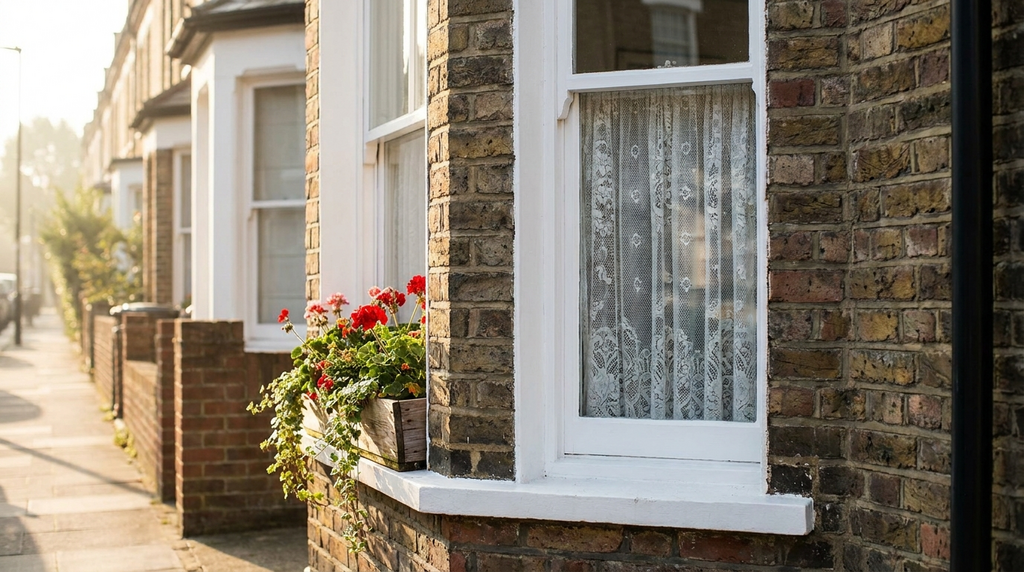
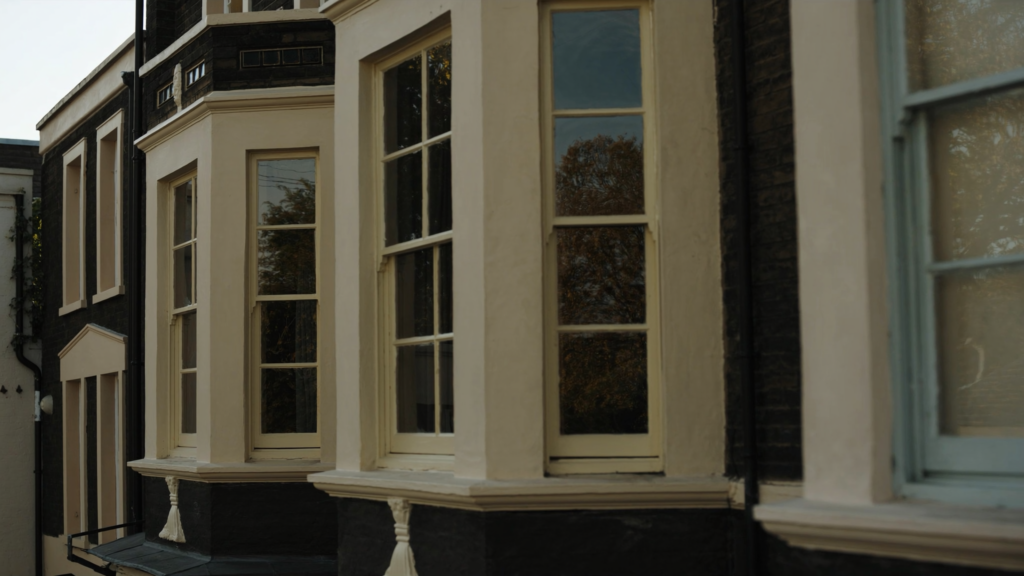
If you’re in a Victorian or Edwardian terrace in places like Jesmond, Heaton, or Arthurs Hill, your original window openings were designed for timber sash frames. These openings are often non-standard sizes, and that matters because it affects both the complexity of the installation and the cost. A good installer won’t just slap in an off-the-shelf UPVC frame; they’ll need to measure carefully and possibly build out or reduce the reveal to get a proper, draught-free fit.
For flat dwellers, the rules change. If you’re in a leasehold flat, common in the high-rises around Walker, the Quayside apartment conversions, or the purpose-built blocks in Cowgate, you’ll almost certainly need landlord or management company permission before touching the windows. Some blocks have a standard specification you’re required to match, particularly around frame colour and glass appearance. Don’t skip this step or you could face costly enforcement.
Inter-war semi-detached and terraced properties from the 1930s through 1950s, which are common across High Heaton, Kenton, and Wide Open, tend to be more straightforward. The window openings are more standardised, access is usually good, and cavity walls (where present) mean the thermal envelope is already better. These homes respond very well to double glazing upgrades.
The older Tyneside flat, a unique Newcastle building form where two flats share a single terraced frontage, presents its own planning considerations. Because both flats often share a facade, there can be visual consistency requirements even where formal conservation area rules don’t apply. A good installer will flag this early.
How Much Double Glazing Costs in Newcastle and the North East Area in 2026
Newcastle’s labour costs are notably lower than London and the South East, but they’re not rock bottom. You’re looking at a competitive market with plenty of established local firms, which keeps prices honest. Here’s a realistic breakdown for typical Newcastle properties in 2026:
| Property Type | Number of Windows | Standard UPVC | Composite or Timber Alternative | Triple Glazing Upgrade |
|---|---|---|---|---|
| One-bed flat | 3–4 | £1,800–£2,600 | £2,800–£4,000 | Add £400–£700 |
| Two-bed Tyneside flat | 5–7 | £2,800–£4,200 | £4,000–£6,500 | Add £700–£1,200 |
| Two-bed mid-terrace | 6–8 | £3,200–£4,800 | £4,500–£7,000 | Add £800–£1,400 |
| Three-bed terrace (Victorian) | 8–11 | £4,000–£6,000 | £5,800–£9,000 | Add £1,000–£1,800 |
| Three-bed semi-detached | 9–12 | £4,500–£6,500 | £6,500–£10,000 | Add £1,200–£2,000 |
These figures include supply, fitting, and waste removal. They assume reasonable access, no scaffolding needed. If your home has a bay window on an upper floor (common in Jesmond and Heaton Victorian terraces), add £300–£600 for access equipment or minor scaffolding.
Compared to the national average, Newcastle sits roughly 8–12% below London pricing and about 5% below the Midlands average. However, you’ll notice Gateshead, Washington, and South Shields installers often quote similar prices since most reputable firms cover the whole Tyne and Wear cluster. Don’t assume a Gateshead-based company will be cheaper, they’re drawing from the same labour pool.
Insider tip: January through March is genuinely quieter for window installers in Newcastle. Firms that are busy in summer will often negotiate better on price or offer extras (like upgraded hardware or a door included) during that period rather than drop their headline rate.
How Newcastle’s Weather and Location Shape Your Double Glazing Choices
Newcastle gets around 850–900 sunshine hours per year, less than York, considerably less than Leeds, and nowhere near what you’d see in the South East. That matters when you’re thinking about solar heat gain, because in this part of the world, losing heat through poorly specified windows is a much bigger problem than overheating through south-facing glass.
The city experiences 1,800–2,200 heating degree days annually, which puts it in the higher bracket for England. In practical terms, your boiler is working hard from October through April, and inadequate windows bleed that heat straight outside. This is why U-values matter more here than they do in, say, Bristol or Southampton.
Newcastle’s position inland from the North Sea means you get a specific wind pattern, north-easterly winds can be biting, particularly in exposed estates on the higher ground towards Callerton, Westerhope, and Kingston Park. West-facing windows on the upper floors of terraces in areas like Fenham and Elswick can take a real battering. For these elevations, look for frames with reinforced corner joints and insulated glazing units (IGUs) with a warm-edge spacer bar rather than aluminium spacers, which conduct cold far more readily.
Rainfall here sits around 700–800mm per year, moderate, but consistent. Sill drainage and proper window sealing matter. A poorly installed window in a Newcastle terrace will show damp infiltration within a few years. Ask your installer specifically how they handle sill flashing and whether the installation is backed by a 10-year insurance-backed guarantee.
The Products and Options That Actually Perform Well in Newcastle Conditions
Given the climate, here’s what genuinely makes sense for Newcastle homes rather than a generic product list:
- UPVC casement windows with A++ energy rating, The workhorse choice for most Newcastle terraces. Look for a U-value of 1.2 W/m²K or better. White UPVC remains the most affordable, but anthracite grey has become extremely popular on Victorian terraces where homeowners want a more period-appropriate look without the maintenance of timber.
- Warm-edge spacer bars, A meaningful upgrade over standard aluminium spacers. They reduce cold bridging at the glass edge and meaningfully cut condensation, which is important given Newcastle’s damp winters. Swisspacer Ultimate or Thermix are good brands to ask about.
- Argon-filled units as standard, krypton for premium, All decent double glazing should come with argon fill. Krypton is worth considering if you’re going triple glazed, as it allows thinner units without sacrificing performance, useful in older frames where the reveal depth is limited.
- Triple glazing for north and north-east facing windows, Not always worth the cost on every window, but for habitable rooms facing north-east (very common in the grid-layout terraces of Heaton and Byker), triple glazing pays back faster because those windows are genuinely punishing in winter.
- Secondary glazing for conservation areas, If you’re in Jesmond Vale, parts of Sandyford, or a conservation street where UPVC replacement isn’t permitted, secondary glazing is an often-overlooked but genuinely effective solution that can achieve near-double-glazing performance without altering the original frames.
For sash window properties in Jesmond and Sandyford, timber sliding sash double glazing is available but expensive. Expect to pay £600–£950 per window. Alternatively, slim-profile UPVC sash replacements have become much more convincing aesthetically and cost around £400–£650 per unit.
How to Find a Trustworthy Double Glazing Installer Near Newcastle
Newcastle has a healthy market with genuine choice, which is good news but also means some less reputable operators are circling. Here’s how to sort the good from the not-so-good.
Look for FENSA registration first. FENSA is the government-authorised scheme for window and door installations, and a FENSA-registered installer self-certifies compliance with Building Regulations on your behalf. Without this, you’d need to apply for building control approval separately, and you’ll need a FENSA certificate when you sell your home. Check the FENSA directory at fensa.org.uk before accepting any quote.
TrustMark accreditation is worth looking for alongside FENSA. It indicates a firm has been vetted for workmanship and trading standards compliance, which matters more in a city like Newcastle where you’ll find a mix of large national franchises and sole traders.
Questions to ask any installer before committing:
- Can you provide a FENSA certificate on completion?
- Is the guarantee insurance-backed, and with which insurer?
- How do you handle the reveal and sill finish on Victorian terrace reveals?
- What is your lead time from order to installation right now?
- Do you sub-contract installation or use your own employed fitters?
Most reputable Newcastle-based installers currently quote 4–8 weeks from order to installation. Be cautious of firms promising installation within two weeks, that rush can indicate they’re using subcontracted crews unfamiliar with local housing stock.
The coverage area for most good local firms extends to Gateshead, Washington, South Shields, and Cramlington without additional travel charges. If a quote includes a fuel surcharge for any address within this cluster, that’s worth querying.
Grants and Funding That Could Reduce Your Costs in 2026
The good news is that Newcastle residents have more funding routes than most of England, specifically because of the North East’s fuel poverty profile. Here’s what’s live in 2026:
ECO4 (Energy Company Obligation), This is the big one for many Newcastle homeowners. If your household income is below £31,000 or you receive qualifying benefits (Universal Credit, Pension Credit, Child Tax Credit among others), your energy supplier may be obligated to fund improvements including double glazing as part of a wider package. ECO4 rarely funds windows in isolation, but if you’re also insulating walls or upgrading heating, windows can be included. Contact Newcastle City Council’s Warm Homes team or a local ECO4-registered assessor to check eligibility.
Great British Insulation Scheme (GBIS), Running in 2026, GBIS targets properties in EPC Band D or below, which describes the average Newcastle home exactly. Double glazing can qualify as part of a fabric-first improvement package. Eligibility is broader than ECO4 and includes households in lower council tax bands (A–D) even without means testing.
Newcastle City Council Warm Homes Fund, Newcastle City Council has continued its own Warm Homes programme, supporting low-income residents with energy efficiency improvements. The council has been particularly active in the West End and East End wards, where older housing stock and fuel poverty rates are highest. Call the council’s housing improvement line or check newcastle.gov.uk for current application rounds, as funding windows open and close during the year.
Nest Wales and Warmer Homes Scotland, Not applicable here, but worth mentioning so you don’t get confused by national press coverage of these schemes, they don’t cover Tyneside.
If you’re not eligible for grants, many installers offer 0% finance over 12–24 months. Always check the total amount repayable and ensure the finance is from an FCA-regulated lender before signing anything.
Planning Permission and Regulations in Newcastle, What You Actually Need to Know
For most Newcastle homeowners, replacing like-for-like windows in a standard residential property falls under permitted development, meaning no planning application is needed. But Newcastle has specific situations where this changes, and getting it wrong can be costly.
Conservation Areas, Newcastle has a number of conservation areas including Jesmond, parts of Sandyford, Grainger Town, Spital Tongues, and Elswick. Within these areas, you cannot install UPVC windows without permitted development rights having been removed, and in most of Newcastle’s conservation areas, they have been. Replacement windows must match the original character in material, style, and appearance. If you’re unsure whether your street is covered, check the Newcastle City Council planning portal or call the planning helpline, they are generally helpful and the query costs nothing.
Listed Buildings, Some of Newcastle’s older housing stock, particularly in Jesmond and around the Town Moor edges, falls within listed building status. Any window replacement in a listed building requires Listed Building Consent regardless of whether it’s permitted development in other respects. This is a legal requirement, not optional.
Flats and Leasehold Properties, Even where planning permission isn’t needed, flat owners in leasehold blocks need freeholder or management company consent. This is a lease condition, not a planning matter, but it’s equally binding. Get written consent before ordering.
Building Regulations, All replacement double glazing must meet current Building Regulations for thermal performance (Part L) and safety glazing (Part K). A FENSA-registered installer handles this compliance for you. The minimum required U-value for replacement windows under current Building Regulations is 1.4 W/m²K, though in practice most quality products significantly exceed this.
What You Will Actually Save, Realistic Numbers for Newcastle Homes
Let’s put some honest figures on this. Newcastle’s average gas usage of 13,000 kWh per year is slightly above the national median. This reflects the colder winters and older housing stock. Here’s what realistic savings look like:
Upgrading from single glazing to